
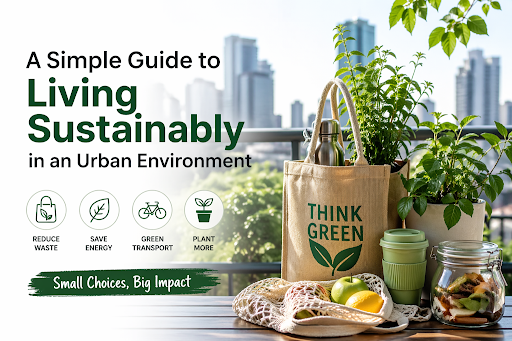
Living in a city comes with convenience, energy, and opportunity. However, it also brings challenges such as higher waste production, increased energy consumption, and limited access to natural resources. The good news is that sustainable living is not limited to rural settings or large homes. With the right mindset and small, practical changes, urban living can become far more environmentally responsible.
This Guide to Living Sustainably in an Urban Environment explores how everyday habits, thoughtful choices, and simple adjustments can help reduce your impact while maintaining comfort and practicality. You do not need to overhaul your entire lifestyle. Instead, the focus is on gradual, realistic improvements that fit into modern city life.
Understanding Sustainability in Urban Life
Sustainability in an urban environment is about making conscious decisions that reduce harm to the environment while supporting long term wellbeing. Cities are dense and resource intensive, which means even small changes made by individuals can collectively create a meaningful impact.
Urban sustainability often revolves around three key areas. These include reducing waste, using resources more efficiently, and choosing environmentally responsible products. When these elements come together, they create a lifestyle that supports both the individual and the wider community.
Rethinking Everyday Consumption
One of the most effective ways to live sustainably in a city is to rethink how and what you consume. Urban environments often encourage convenience, which can lead to excessive use of disposable products.
Start by becoming more aware of what you bring into your home. Choosing durable, reusable, and responsibly sourced items helps reduce waste over time. It is not about perfection but about making better choices where possible.
For example, switching from traditional paper products to alternatives like bamboo toilet roll can reduce reliance on slow growing resources. These small decisions may seem minor, but they play a part in shaping more sustainable consumption habits.
Reducing Household Waste
Waste management is a major concern in cities. Limited space and high population density mean that waste can quickly become overwhelming. Reducing household waste is therefore a key part of this Guide to Living Sustainably in an Urban Environment.
Begin by identifying the main sources of waste in your home. Common culprits include packaging, food waste, and single use items. Once you understand where waste is coming from, it becomes easier to reduce it.
Simple steps such as reusing containers, avoiding over packaging, and separating recyclables can make a noticeable difference. Composting may also be an option, even in smaller spaces, with compact solutions designed for urban homes.
Making Your Kitchen More Sustainable
The kitchen is often one of the busiest areas in any home, and it can also be a major source of waste. By making a few thoughtful adjustments, it is possible to create a more sustainable kitchen without sacrificing convenience.
Start by focusing on reusable items. Cloths, refillable containers, and long lasting materials can replace many disposable products. When choosing everyday essentials, consider options like bamboo kitchen rolls, which offer a more sustainable alternative while still being practical for daily use.
Reducing food waste is another important step. Planning meals, storing food properly, and using leftovers creatively can all help minimise waste while saving money.
Energy Efficiency in Urban Homes
Energy use is another significant factor in urban sustainability. City homes rely heavily on electricity for lighting, heating, and appliances. Improving energy efficiency not only reduces environmental impact but can also lower household bills.
Simple changes can have a strong effect. Switching to energy efficient lighting, turning off appliances when not in use, and making the most of natural light are all effective strategies. Insulation and draught proofing can also help maintain indoor temperatures more efficiently.
While some upgrades may require investment, many energy saving habits are easy to adopt and cost nothing at all.
Water Conservation in Daily Life
Water usage is often overlooked when discussing sustainability, yet it plays a vital role in urban living. Cities rely on complex systems to supply clean water, and reducing unnecessary use helps ease this demand.
Practical steps include fixing leaks promptly, using water efficient fixtures, and being mindful of daily habits such as shower duration and washing routines. Even small adjustments can contribute to significant savings over time.
Combining water conservation with sustainable product choices further strengthens your environmental impact. For instance, selecting products designed with resource efficiency in mind supports broader sustainability efforts.
Choosing Better Materials for Everyday Use
Material choice is an important aspect of sustainable living. Many conventional products rely on non-renewable resources or involve energy intensive manufacturing processes.
Opting for renewable and natural materials can make a meaningful difference. These materials often require fewer chemicals and less energy to produce, making them a more environmentally responsible option.
Items like eco friendly toilet tissue are becoming increasingly popular because they offer a practical alternative to traditional materials. They demonstrate how sustainable choices can be integrated seamlessly into daily life without compromising quality.
Sustainable Transport Choices
Transport is a major contributor to urban emissions. While not everyone can completely change their travel habits, there are still ways to reduce impact.
Walking, cycling, and using public transport are among the most effective options. These methods not only reduce emissions but also support healthier lifestyles. For shorter journeys, choosing to walk instead of drive can make a noticeable difference.
Car sharing and planning trips more efficiently can also help reduce fuel consumption. Over time, these changes contribute to a more sustainable urban environment.
Creating Sustainable Habits That Last
Sustainability is not about making one perfect choice. It is about building habits that are realistic and long lasting. In a busy urban setting, simplicity is key.
Start with small changes that fit easily into your routine. Once these become habits, you can gradually introduce more adjustments. This approach prevents overwhelm and makes sustainable living more achievable.
Consistency matters more than scale. Regularly making mindful choices, even if they are small, leads to meaningful long term impact.
The Role of Community in Urban Sustainability
Living in a city means being part of a larger community. This creates opportunities to support sustainability on a wider scale.
Local initiatives, recycling programmes, and community projects can all contribute to environmental efforts. Supporting businesses that prioritise sustainable practices also encourages positive change within the market.
Sharing knowledge and encouraging others to adopt sustainable habits can amplify the impact of individual actions. Urban sustainability becomes far more effective when it is embraced collectively.
Balancing Convenience and Responsibility
Urban life is fast paced, and convenience often takes priority. However, sustainable living does not require giving up comfort. It is about finding a balance between convenience and responsibility.
Many sustainable products are designed to offer the same level of practicality as traditional options. The key is to make conscious choices where possible, rather than striving for perfection.
This balanced approach makes it easier to maintain a sustainable lifestyle without feeling restricted.
Looking Ahead
As cities continue to grow, the importance of sustainability will only increase. Urban environments have the potential to lead the way in environmental innovation, and individuals play a vital role in this progress.
This Guide to Living Sustainably in an Urban Environment highlights that meaningful change begins with everyday actions. By making thoughtful choices, reducing waste, and adopting sustainable habits, it is possible to create a lifestyle that supports both modern living and environmental responsibility.
Sustainable urban living is not about doing everything at once. It is about starting where you are and making gradual improvements that last. Over time, these changes contribute to a healthier environment and a more conscious way of living.