
Introduction
Indoor air quality plays a significant role in maintaining a comfortable, healthy, and energy-efficient living environment. While many homeowners focus on heating and cooling equipment, one of the most overlooked parts of an HVAC system is the ductwork that distributes air throughout the property. Over time, dust, dirt, allergens, pet dander, and other contaminants can accumulate inside air ducts, reducing airflow efficiency and affecting indoor air quality. This buildup can place additional strain on heating and cooling systems, increase energy consumption, and contribute to various indoor environmental concerns.
Maintaining clean ductwork is an essential part of overall HVAC care. Professional air duct cleaning helps remove accumulated debris from the system, allowing air to circulate more efficiently while creating a cleaner indoor environment. As modern homes become more energy-efficient and tightly sealed, the importance of maintaining clean air pathways continues to grow. Understanding how duct systems work and why regular maintenance matters can help homeowners improve comfort, reduce operating costs, and extend the lifespan of their HVAC equipment.
Understanding the Role of Air Duct Systems
Air ducts serve as the transportation network for heated and cooled air throughout a building. Whenever an HVAC system operates, conditioned air travels through a series of ducts before reaching individual rooms through vents and registers. This process occurs continuously throughout the year, especially in homes that rely heavily on central heating and cooling systems.
Because ducts are constantly moving air, they naturally collect airborne particles over time. Dust, pollen, mold spores, construction debris, and other contaminants can settle inside the ductwork. In homes with pets, additional hair and dander may also accumulate within the system. Without proper maintenance, these materials can circulate repeatedly through indoor spaces, potentially affecting air quality and system performance.
A clean duct system helps maintain consistent airflow and ensures that heating and cooling equipment can operate efficiently. When ducts become clogged with debris, airflow restrictions can develop, forcing HVAC systems to work harder to maintain desired temperatures.
Common Sources of Duct Contamination
Air ducts can become contaminated through a variety of sources. One of the most common contributors is everyday household dust. Even with regular cleaning, microscopic particles become airborne and eventually settle inside the duct network.
Pet owners often experience increased accumulation due to fur and dander circulating throughout the home. Renovation projects can also introduce significant amounts of dust, drywall particles, sawdust, and construction debris into duct systems.
Moisture is another important factor. Excess humidity or water intrusion can create conditions that encourage mold growth inside ductwork. When mold develops, spores may spread through the HVAC system and affect indoor air quality.
Outdoor pollutants can also enter duct systems through ventilation openings, especially in areas with high pollen levels, dust storms, or environmental pollution. Over time, these contaminants build up and reduce the cleanliness and efficiency of the entire HVAC system.
Signs That Duct Cleaning May Be Needed
Several indicators can suggest that duct maintenance should be considered. One of the most noticeable signs is excessive dust accumulation throughout the home despite routine cleaning efforts. If surfaces become dusty shortly after being cleaned, dirty ducts may be contributing to the problem.
Uneven airflow between rooms can also indicate restrictions within the duct system. Some rooms may feel warmer or cooler than others due to airflow limitations caused by debris buildup.
Persistent odors coming from vents may suggest contamination inside the ductwork. These odors can result from mold growth, accumulated debris, or other pollutants trapped within the system.
Homeowners who notice increased allergy symptoms, respiratory irritation, or poor indoor air quality may also benefit from having their duct system inspected. While duct contamination is not always the sole cause of these issues, clean ducts can contribute to a healthier indoor environment.
Visible dust around air vents, unusual HVAC performance, and higher-than-normal energy bills can also signal the need for professional maintenance.
How Professional Duct Cleaning Works
Professional duct cleaning involves a systematic process designed to remove debris and contaminants from the entire HVAC air distribution system. Technicians typically begin with a comprehensive inspection to evaluate the condition of the ductwork and identify any problem areas.
Specialized equipment is then used to loosen accumulated dust and debris from the interior surfaces of the ducts. High-powered vacuum systems collect contaminants as they are dislodged, preventing them from spreading throughout the home.
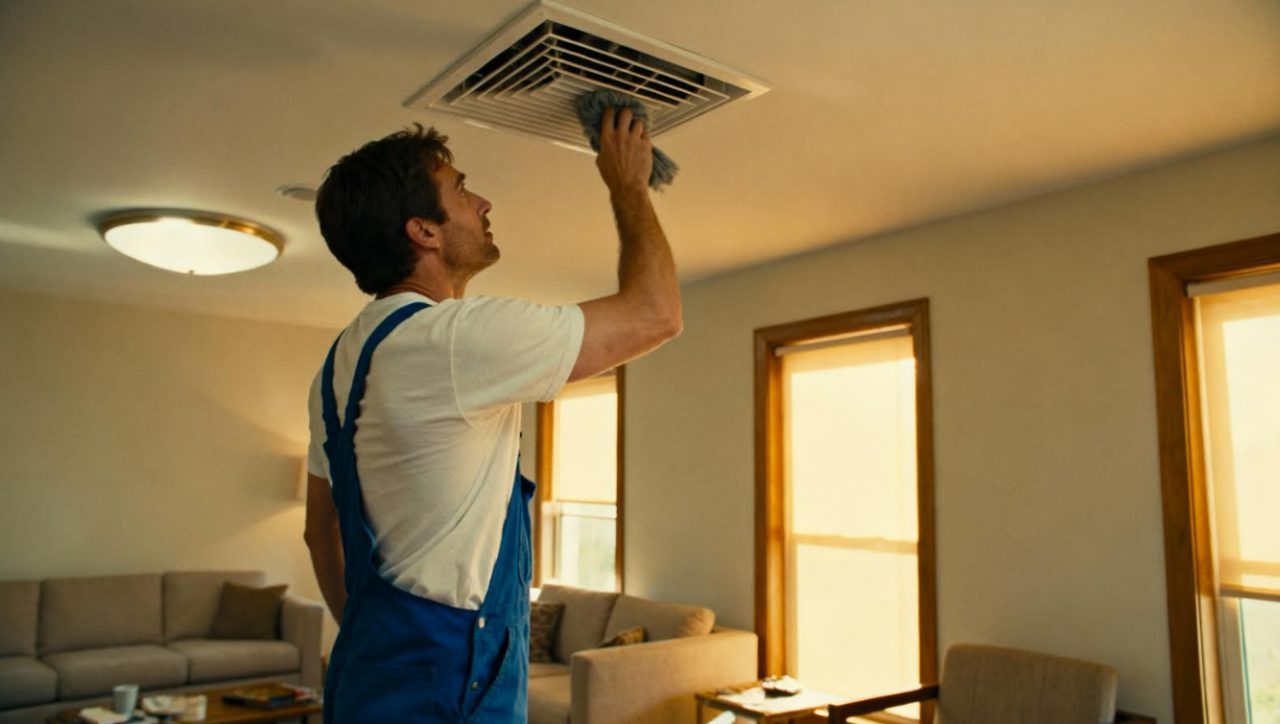
Supply ducts, return ducts, registers, grilles, and other system components are cleaned as part of the process. In some situations, technicians may also inspect and clean blower components or other HVAC elements that contribute to airflow performance.
Professional cleaning methods are designed to remove contaminants safely and efficiently while protecting the integrity of the duct system. Proper equipment and expertise ensure that cleaning is thorough and effective.
Benefits of Regular Air Duct Maintenance
Regular maintenance offers several important benefits beyond simply removing dust. Improved airflow is one of the most immediate advantages. Clean ducts allow conditioned air to move freely through the system, helping maintain consistent temperatures throughout the property.
Enhanced indoor air quality is another major benefit. By reducing the amount of dust, allergens, and contaminants circulating through the HVAC system, homeowners can create a cleaner living environment.
Energy efficiency often improves when airflow restrictions are eliminated. HVAC systems can operate more effectively without excessive strain, potentially reducing utility costs and improving overall performance.
Routine maintenance can also help extend equipment lifespan by reducing wear on heating and cooling components. Systems that operate under less stress generally experience fewer mechanical problems and may require fewer repairs over time.
For homeowners seeking improved comfort and HVAC performance, professional air duct cleaning services can help remove accumulated contaminants while supporting healthier indoor air quality and more efficient system operation.
The Connection Between Duct Cleanliness and Energy Efficiency
Energy efficiency is a major concern for homeowners and property managers. HVAC systems account for a significant portion of overall energy consumption in many buildings, making system efficiency an important factor in managing operating costs.
When ducts become clogged with dust and debris, airflow resistance increases. As a result, heating and cooling equipment must work harder to move conditioned air throughout the building. This increased workload can lead to higher energy consumption and greater wear on system components.
Clean ductwork supports proper airflow, allowing HVAC equipment to operate closer to its intended efficiency level. Combined with routine filter replacement and preventive maintenance, duct cleaning can contribute to improved overall system performance and energy savings.
Indoor Air Quality and Health Considerations
The quality of indoor air has become an increasingly important topic as people spend more time indoors. Airborne particles such as dust, pollen, pet dander, and mold spores can affect comfort and potentially contribute to respiratory irritation for sensitive individuals.
While no single maintenance service can eliminate all indoor air quality concerns, reducing contaminants within the HVAC system can be an important step toward creating a healthier environment. Clean ducts help minimize the recirculation of pollutants and support better overall air quality.
Families with young children, older adults, allergy sufferers, or individuals with respiratory sensitivities may particularly appreciate the benefits of maintaining a cleaner air distribution system.
Preventing Future Duct Contamination
Although professional cleaning can remove existing buildup, preventive measures help maintain cleaner ductwork over time. One of the most effective steps is replacing HVAC filters regularly according to manufacturer recommendations.
Maintaining proper humidity levels can also reduce the likelihood of mold growth inside ducts. Homeowners should address water leaks, condensation issues, and ventilation concerns promptly to prevent moisture-related problems.
Routine HVAC maintenance helps ensure that system components remain clean and operate efficiently. Keeping living spaces clean, vacuuming regularly, and minimizing indoor dust sources can further reduce contamination entering the duct system.
During remodeling projects, protecting vents and duct openings from construction debris is especially important. Taking preventive measures can significantly reduce the amount of material that accumulates inside ductwork.
Modern Technology in Duct Cleaning Services
Advancements in HVAC maintenance technology have improved the effectiveness of duct cleaning services. Modern inspection cameras allow technicians to evaluate duct conditions more accurately and identify hidden problem areas.
High-powered vacuum systems and specialized cleaning tools provide more thorough debris removal while minimizing disruption to the home. Advanced filtration equipment helps capture fine particles during the cleaning process, improving overall effectiveness.
Digital diagnostic tools also help technicians assess airflow performance and identify issues affecting HVAC efficiency. These innovations have made professional duct maintenance more precise, efficient, and beneficial for homeowners.
Long-Term Value of Maintaining Clean Ductwork
Investing in duct maintenance provides value beyond immediate cleanliness. Improved airflow, enhanced HVAC performance, better indoor air quality, and potential energy savings all contribute to long-term benefits.
Clean ducts support overall system reliability by reducing strain on heating and cooling equipment. This can help lower maintenance expenses and extend the useful life of major HVAC components.
Additionally, a well-maintained HVAC system can enhance overall home comfort by providing more consistent temperature control throughout the property. When combined with regular equipment maintenance, clean ductwork contributes to a more efficient and dependable indoor environment.
Conclusion
Air duct systems play a crucial role in distributing conditioned air throughout homes and buildings, making their maintenance an important part of HVAC care. Over time, dust, allergens, debris, and other contaminants can accumulate within ductwork, affecting airflow, energy efficiency, and indoor air quality. Regular inspections and professional cleaning help remove these contaminants and support healthier, more comfortable indoor environments.
Understanding the importance of duct maintenance allows homeowners to make informed decisions about HVAC care and long-term system performance. With proper upkeep, including routine filter replacement, preventive maintenance, and periodic air duct cleaning, property owners can enjoy improved comfort, better air quality, enhanced energy efficiency, and reliable HVAC operation for years to come.