

Hair loss affects millions of British men and women, often impacting self-esteem and confidence. Fortunately, modern hair restoration clinics offer highly sophisticated solutions to address thinning hair and receding hairlines. If you are researching choices in the UK capital, you have likely come across two premier options: scalp micropigmentation in London and follicular unit extraction (FUE). Both methods provide exceptional results, but they target different needs, budgets, and lifestyles. Understanding how these procedures work, their recovery times, and their overall benefits will help you make an informed decision. This guide outlines everything you need to know about choosing the right hair restoration journey for your specific needs.
Demystifying Scalp Micropigmentation
Scalp micropigmentation, often abbreviated as SMP, is a non-surgical treatment that uses specialised micro-needles to deposit medical-grade pigment into the epidermal layer of the scalp. This technique replicates the appearance of natural hair follicles, creating the illusion of a full head of closely shaved hair or adding density to thinning areas. It is an excellent option for individuals experiencing pattern baldness, alopecia, or those who want to conceal scars from previous surgeries.
The Treatment Process
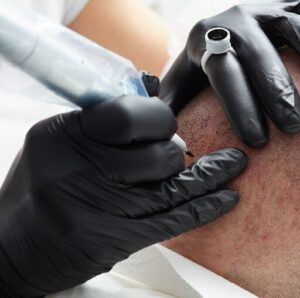
When you book scalp micropigmentation in London, the process typically requires two to three sessions to achieve the desired density and shade. Practitioners carefully match the pigment to your natural hair colour and skin tone, ensuring a seamless finish. Each session takes between two and four hours, depending on the size of the treatment area.
Recovery and Longevity
Because SMP is non-invasive, there is virtually no downtime. You might experience slight redness for a day or two, but you can return to work almost immediately. The results are semi-permanent, usually lasting between three and five years before requiring a minor touch-up. It offers an immediate visual solution without the need for daily maintenance or expensive topical treatments.
The Mechanics of FUE Hair Transplants
For those seeking a permanent, natural-looking solution that actually regrows hair, follicular unit extraction is the gold standard. A London FUE hair transplant involves harvesting individual hair follicles from a donor area—usually the back or sides of the head—and transplanting them into thinning or bald areas. Because the follicles are relocated individually, this method avoids the linear scarring associated with older transplant techniques.
How the Procedure Works
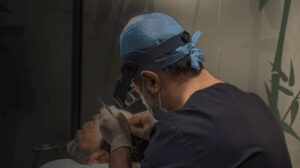
Surgeons perform this delicate procedure under local anaesthetic. Using a specialised micro-punch tool, the specialist extracts healthy hair grafts. The surgeon then creates tiny recipient sites in the balding areas, paying close attention to the angle, direction, and density of the natural hair growth. The extracted grafts are then carefully implanted into these sites.
Timeline for Results
While the procedure itself takes a full day, the journey to full growth requires patience. The transplanted hair typically sheds within the first few weeks, which is a normal part of the cycle. New, permanent hair begins to grow after three to four months, with final results visible around the twelve-month mark. Selecting an experienced clinic ensures high graft survival rates and a natural hairline.
Comparing the Two Approaches
Choosing between these two popular treatments depends on your personal goals, budget, and the extent of your hair loss. Both options offer distinct advantages, but they cater to different preferences and lifestyles.
Invasiveness and Recovery
The most obvious difference lies in the nature of the procedures. FUE is a surgical treatment that requires local anaesthesia, minor incisions, and a recovery period of about seven to ten days for the scalp to heal. In contrast, SMP is non-surgical, requires no anaesthetic, and has zero downtime, making it ideal for busy professionals who cannot take time off.
Financial Investment
Budget is another major factor for many patients. A surgical transplant represents a significant financial investment due to the highly skilled surgical team and clinical environment required. Pigment replication treatments are generally much more affordable, providing a cost-effective alternative for achieving a youthful, framed face.
Visual Outcomes
If you desire actual texture and the ability to grow your hair longer, surgery is the only way to achieve this. However, if you prefer a modern, buzzed look or simply want to mask a thinning crown, the cosmetic replication method delivers instant, highly convincing results.
Combining Treatments for Maximum Density
Many people believe they must choose one treatment over the other, but combining both methods often yields the most impressive results. For patients with extensive hair loss, a London FUE hair transplant might not yield enough donor hair to cover the entire bald area with high density. In these cases, using both techniques together offers a comprehensive solution.
Creating the Illusion of Density
Once the transplanted hair has fully grown and healed, patients can undergo scalp micropigmentation in London to fill in any remaining thin patches. The pigment sits beneath the transplanted hairs, reducing the contrast between the pale scalp and the dark hair. This combination creates a remarkably thick, full appearance that neither treatment could achieve alone.
Concealing Donor Scars
Additionally, even the most precise surgical extractions can leave tiny, point-like scars in the donor area, especially if you prefer to wear your hair very short. Applying pigment to these tiny white spots camouflages them completely, allowing you to style your hair with absolute confidence. Consulting with a clinic that offers both services helps create a tailored plan that maximises your aesthetic outcome.
Conclusion
Addressing hair loss is a deeply personal journey, and London stands as a global hub for world-class hair restoration. Whether you choose the permanent, texturised results of a London FUE hair transplant or the immediate, low-maintenance benefits of pigment replication, both paths offer life-changing boosts to your self-esteem. Many premier clinics in the capital offer free initial consultations to assess your scalp health and discuss your aesthetic goals. By taking the time to research qualified practitioners and understand the mechanics of each procedure, you can confidently choose the treatment plan that fits your budget, lifestyle, and desired look.