Your home is full of systems that work quietly in the background—your plumbing, your electrical wiring, your HVAC. Most homeowners stay on top of these. But the chimney? It tends to get overlooked until something goes wrong. And when something goes wrong with a chimney, the consequences can be serious.
Chimney problems don’t announce themselves. A small crack in the flue liner, a blockage from a bird’s nest, or a buildup of creosote can sit undetected for months—sometimes years—until they cause a fire or allow dangerous carbon monoxide to seep into your living space. According to the National Fire Protection Association (NFPA), failure to clean chimneys is one of the leading contributing factors in home heating fires in the United States. That’s not a statistic worth gambling with.
At Smoke Alert Home Fire Safety, chimney inspection is a core service—and for good reason. Regular professional inspections keep your home safe, your fireplace efficient, and your family protected from hazards that are entirely preventable.
What Actually Happens During a Chimney Inspection?
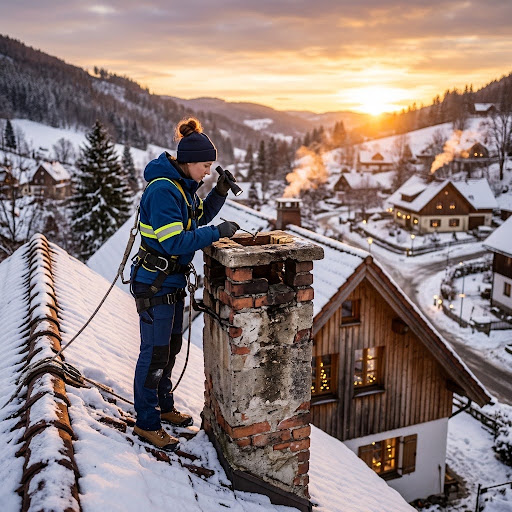
A chimney inspection goes well beyond a glance up the flue. Trained technicians assess the full structure—from the firebox and damper to the flue liner, smoke chamber, and chimney crown. Depending on the condition of your chimney and how it’s used, inspections are typically categorized into three levels by the NFPA:
- Level 1: A visual assessment of accessible areas, recommended annually for chimneys in regular use with no major changes.
- Level 2: A more thorough inspection that includes accessible attic, basement, and crawl space areas—required when selling a home or after a significant event like a chimney fire or natural disaster.
- Level 3: A detailed examination that may involve removing certain components to access concealed areas where serious damage is suspected.
Each level serves a specific purpose, and a qualified technician will recommend the right one based on your chimney’s history and condition.
Why Waiting for a Problem Is Never a Good Plan
There’s a common misconception that if the chimney “seems fine,” it is fine. Smoke is drawing properly. The fire lights without trouble. What could go wrong?
Quite a lot, actually. Creosote—the tar-like byproduct of burning wood—accumulates inside the flue over time. At Stage 3, it becomes a dense, hardened glaze that is highly flammable and extremely difficult to remove. A single fire can be enough to ignite it.
Structural deterioration is equally sneaky. Moisture works its way into tiny cracks during colder months, freezes, expands, and slowly breaks down mortar joints and masonry. From the outside, the chimney can look perfectly intact while the interior is quietly falling apart.
Annual inspections catch these issues early—before a repair becomes a major renovation, and before a hazard becomes a headline.
How Chimney Inspection Protects the Whole Home, Not Just the Fireplace
It’s easy to think of chimney inspection as a fireplace-specific concern. But the chimney is connected to the entire home. A compromised flue can allow carbon monoxide—an odorless, colorless gas—to back up into living spaces. It can expose structural timber to heat and increase the risk of a slow-burning fire within the walls.
Water intrusion from a damaged chimney crown or flashing doesn’t stay contained to the chimney. It travels. It damages ceilings, walls, and insulation. Left long enough, it leads to mold.
A thorough chimney inspection gives homeowners the assurance that every component of their chimney system is sound, clean, and operating as safely as possible—so you can enjoy your fireplace with total confidence rather than quiet concern.
What Sets Professional Inspection Apart from a DIY Check
Some homeowners attempt to inspect their own chimneys with a flashlight and a mirror. While a visual check from below can reveal obvious blockages or visible debris, it doesn’t come close to what a certified chimney sweep or inspector can identify.
Professional inspectors use specialized cameras to examine the full length of the flue interior, identifying cracks, deterioration, and buildup that are simply invisible to the naked eye from ground level. They understand the early warning signs of liner failure, spot improper clearances, and know exactly what a safe, functioning chimney should look like—and what it shouldn’t.
The difference between a surface-level look and a professional assessment isn’t just thoroughness. Its reliability. When a professional signs off on your chimney, you have documented evidence that it meets safety standards.
When Is the Right Time to Schedule an Inspection?
The NFPA recommends that chimneys be inspected at least once per year. Fall—before the heating season begins—is the most popular time, and for practical reasons. You want to know your chimney is ready before the first cold night calls for a fire.
That said, there are other moments when an inspection shouldn’t wait:
- After purchasing a home, regardless of when it was last inspected
- Following a chimney fire, even a small one
- After a major storm or seismic activity
- If you notice unusual odors, smoke entering the room, or visible damage to the exterior masonry
Don’t wait for the burning season to book an appointment. Scheduling early avoids the seasonal rush and gives time for any necessary repairs to be completed before you need the fireplace.
Make Chimney Inspection a Non-Negotiable Part of Home Safety
Chimney inspection is one of those services that quietly pays for itself every single season—by preventing costly repairs, protecting your home’s structure, and keeping the people inside it safe. It isn’t an optional extra for the overly cautious. It’s a straightforward, responsible step in home maintenance that every fireplace owner should take seriously.
Smoke Alert Home Fire Safety provides thorough, professional chimney inspections designed to give homeowners real peace of mind—not just a checkbox. Because a safe home starts with knowing exactly what’s happening inside the systems you rely on most.
Ready to schedule your inspection? Reach out to Smoke Alert Home Fire Safety and take the guesswork out of fireplace season.