Trees are remarkable. They provide shade, absorb carbon, and give a property character. But there comes a point when a tree stops being an asset and starts being a liability—and that’s when the right removal service makes all the difference.
Hazardous limbs hanging over rooftops. Root systems pushing up driveways. Storm-damaged trunks leaning dangerously close to fences. These aren’t rare situations. They’re everyday realities for homeowners who’ve been putting off a call they should have made months ago.
When a Tree Becomes a Risk, Not a Resource
Not every tree that needs to come down is dead. Some are perfectly alive—just poorly positioned. A tree growing too close to a structure, power line, or foundation can cause thousands of dollars in damage long before any visible signs of trouble appear. Root intrusion alone can compromise underground plumbing, crack concrete slabs, and destabilize retaining walls over time.
Then there are the trees that have seen better days. Disease, pest infestation, and storm damage can weaken a tree’s structural integrity to the point where it’s one strong wind away from becoming a serious hazard. At that stage, waiting is never the safer option.
The Real Cost of Leaving It Too Long
Homeowners often hesitate on tree removal because of perceived cost. The irony? Delaying removal almost always ends up costing more. A fallen tree that damages a roof, a vehicle, or a neighboring property carries costs that far exceed the price of proactive removal—not to mention the insurance complications and repair timelines that follow.
There’s also the issue of access. A standing tree, even a damaged one, is far easier and safer to remove than one that has already fallen in an uncontrolled manner. Experienced crews can plan cuts strategically, direct the fall, and clear debris systematically. Once a tree comes down on its own terms, the situation becomes unpredictable—and significantly more dangerous.
What a Clean Removal Actually Opens Up
It’s easy to focus on what’s being taken away. But tree removal is as much about what it creates as what it clears.
Open canopy means more sunlight reaching garden beds and lawns that have been struggling to grow in deep shade. Reclaimed yard space means room for outdoor entertaining areas, garden expansions, or new landscaping features. Cleared sightlines improve the look and feel of a property in ways that are immediately noticeable.
For homeowners planning to sell, the impact is even more tangible. Overgrown or visibly damaged trees can raise red flags during property inspections and suppress buyer confidence. Removing problem trees before listing often contributes to a cleaner, more polished street appeal that photographs better and shows better.
Precision, Safety, and the Right Equipment for the Job
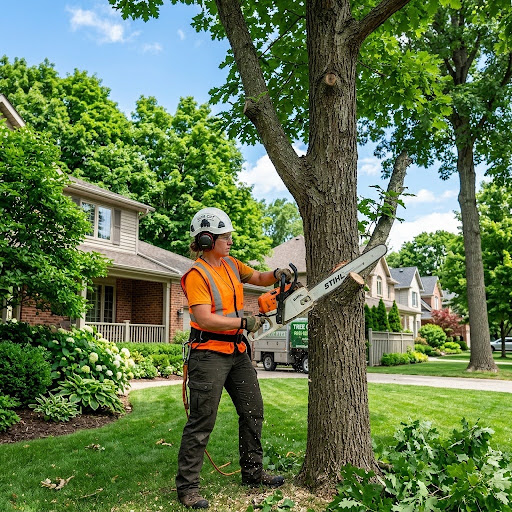
Tree removal at scale is not a weekend project. It requires rigging, specialized cutting equipment, and a working knowledge of how trees behave under tension and stress. A cut made in the wrong sequence can cause a trunk to split unpredictably. Climbing into a damaged tree without the right training is genuinely dangerous.
Professional crews bring more than chainsaws. They bring years of field experience, safety protocols, and the tools to handle everything from small ornamental removals to large-scale hardwoods in tight spaces. Stump grinding, debris hauling, and site cleanup are all part of a complete job—leaving a yard ready for whatever comes next.
Stump Grinding: Don’t Leave the Job Half Done
One of the most overlooked parts of tree removal is stump management. A stump left in place continues to decay underground, attracting termites, fungi, and other pests that can eventually spread to healthy trees or nearby structures. It also creates a tripping hazard and makes mowing awkward for years.
Stump grinding resolves the problem completely. The grinder reduces the stump to wood chips that can be used as mulch or removed entirely. What’s left is a level surface, ready for replanting, turfing, or landscaping—with no unsightly remnant of the old tree.
Choosing a Crew You Can Actually Trust
The tree service industry has a low barrier to entry. A truck, a chainsaw, and a Facebook page are enough for some operators to call themselves professionals. The gap between a qualified crew and an unqualified one isn’t always obvious until something goes wrong.
Look for crews with proper licensing, public liability insurance, and a track record you can verify. Ask questions about how they plan the job, how they protect surrounding plants and structures, and what the cleanup process looks like. A crew that communicates clearly before the job starts is usually a crew that performs well during it.
Getting Your Property Back on Track
BW Tree Removal connects property owners across the region with experienced, fully equipped crews who handle removals of all sizes—delivering reliable results, spotless site cleanup, and the kind of straightforward service that turns a stressful situation into a completed job.
Whether it’s one overhanging limb or an entire tree that’s long overstayed its welcome, the process is simpler than most people expect. An assessment, a clear scope of work, and a professional crew is all it takes to turn a problem into open space.
The yard you want is usually just one removal away.
Frequently Asked Questions
How do I know if a tree needs to be removed or just trimmed?
Trimming addresses overgrowth, crossing branches, and minor dead wood. Removal is typically the right call when a tree is dead, structurally compromised, diseased beyond recovery, or positioned too close to structures and utilities. A professional assessment will clarify which option applies.
Is tree removal covered by home insurance?
It depends on the circumstances. Many policies cover removal if a tree falls and causes damage to an insured structure. Preventive removal of a standing tree—even a hazardous one—is generally not covered. Check your policy details and speak to your insurer before assuming coverage applies.
How long does a tree removal take?
Most residential removals are completed within a few hours. Larger trees, complex access situations, or jobs requiring a crane may take a full day. Your crew will give you a time estimate as part of the job scope.
What happens to the wood and debris after removal?
This varies by service provider. Most professional crews include debris removal and cleanup as part of the job. Logs can often be cut into firewood lengths on request. Confirm the cleanup scope before work begins.