
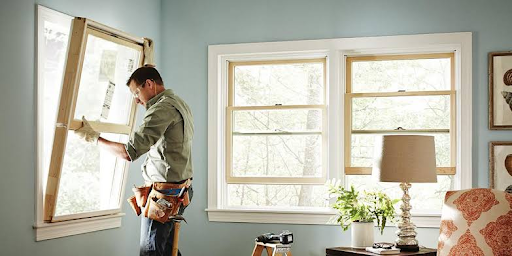
Your windows do more than frame a view. They regulate temperature, filter light, dampen outside noise, and shape how your home looks from the street. When they start to fail—and they do fail—the effects ripple through every room. Energy bills creep up. Drafts appear where there weren’t any before. Condensation builds between panes. Suddenly, the windows you stopped noticing are impossible to ignore.
That’s the moment most homeowners start asking questions. Is it time? Is it worth it? The short answer: almost always yes. Window replacement delivers returns that few other home upgrades can match—in comfort, efficiency, and curb appeal. Here’s what you need to know before making the call.
How Do You Know Your Windows Actually Need Replacing?
Not every drafty window needs to go. Some issues can be sealed or reglazed. But there are clear signs that a full replacement is the smarter move.
When repairs no longer make financial sense
If your windows require repeated maintenance—new seals, repainting, hardware replacements—the cumulative cost often exceeds what a replacement would have cost upfront. At some point, patching an old window is like putting new tires on a car with a blown engine.
Visible rot in wooden frames, warped sashes that no longer close flush, or fogged glass caused by a broken thermal seal are all signs that the window has structurally compromised. These aren’t cosmetic problems. They affect insulation, security, and moisture resistance.
The energy bill test
Older single-pane windows—and even older double-pane units—have significantly lower insulating values than modern options. According to the U.S. Department of Energy, heat gain and heat loss through windows account for 25–30% of residential heating and cooling energy use. If your home runs hot in summer and cold in winter regardless of your HVAC settings, your windows may be the primary culprit.
Replacing them with ENERGY STAR-certified windows can reduce energy costs substantially, depending on climate zone, home size, and the type of windows being replaced.
What Makes Modern Windows Worth the Investment?
The gap between a window installed twenty years ago and one installed today is considerable. Modern window technology has advanced in ways that directly translate to a better living experience.
Double and triple-pane glass
Contemporary windows feature two or three panes of glass separated by insulating gas—typically argon or krypton. This construction dramatically reduces thermal transfer and outside noise. For homes near busy roads, schools, or airports, the acoustic improvement alone is often reason enough to upgrade.
Low-E coatings
Low-emissivity glass coatings reflect infrared light, keeping heat inside during winter and outside during summer. The coating is invisible to the eye but measurably reduces UV exposure—protecting furniture, flooring, and artwork from fading over time.
Better frames
Vinyl, fiberglass, and composite frame materials have largely replaced the aluminum and wood frames of earlier decades. These materials resist warping, require minimal maintenance, and provide better thermal performance than their predecessors.
What Are the Real Benefits of Professional Window Replacement?
This is where it gets tangible. Homeowners who go through a professional window replacement project consistently report improvements across several areas.
Comfort improves almost immediately. Rooms that once felt cold near the glass in winter, or unbearably warm in direct sunlight in summer, stabilize. The “cold wall” effect—where a poorly insulated window draws warmth from the room—disappears.
Energy savings accumulate month after month. While the exact figure varies by home and climate, the reduction in heating and cooling demand is consistent and measurable.
Home value increases. The National Association of Realtors consistently ranks window replacement among the home improvement projects with the strongest return on investment. New windows signal to buyers that the home has been maintained and that they won’t be facing a major expense shortly after moving in.
Security improves. Older windows with worn hardware, compromised locks, or weakened frames are easier to force open. Modern windows are engineered with tighter tolerances and more robust locking mechanisms.
How Does the Window Replacement Process Actually Work?
For most homeowners, the process is simpler than expected. A professional assessment comes first—measuring existing openings, evaluating the structural condition of surrounding framing, and helping you select the right window type, material, and finish for your home.
Window Replacement carried out by an experienced team means you benefit from precise installation that preserves the structural integrity of your walls, ensures a weathertight seal, and eliminates the performance gaps that DIY installations often leave behind.
Installation itself is typically completed in a day for most homes. Minimal disruption, no extended construction periods. The old units come out, the new ones go in, and the results are visible immediately.
Top Notch Windows handles the entire process—from the initial consultation through to the finishing touches—so homeowners aren’t left managing multiple contractors or navigating technical specifications on their own.
What to Think About Before Choosing Your New Windows
A few practical considerations are worth thinking through before you commit.
Window style: Casement, double-hung, slider, awning, bay—each has its strengths. Double-hung windows are easy to clean and work well in most rooms. Casements offer excellent ventilation and a tight seal when closed. Bay and bow windows add architectural interest and expand sightlines dramatically.
Frame material: Vinyl is low-maintenance and cost-effective. Fiberglass is stronger and more dimensionally stable, particularly in climates with significant temperature swings. Wood offers a traditional aesthetic but requires more upkeep.
Glass package: For most climates, double-pane with low-E coating and argon fill is the practical sweet spot between performance and cost. In extreme climates, triple-pane may be worth the additional investment.
Grid patterns and finishes: These details matter more than people expect. The right grid style and exterior color can dramatically improve curb appeal and complement your home’s existing architecture.
A Decision That Pays Off in More Ways Than One
Window replacement isn’t a small decision—but it’s rarely one homeowners regret. The improvements are immediate and lasting. Lower energy bills. A quieter, more comfortable interior. Better protection from the elements. A home that looks sharp and performs well.
If your windows are showing their age, the cost of waiting is real. Every month with failing insulation is another month of unnecessary energy loss. Every compromised seal is one more opportunity for moisture to find its way into your walls.
Top Notch Windows brings the expertise and craftsmanship to make the process straightforward and the results exceptional. The right windows, properly installed, change how your home feels every single day.
Frequently Asked Questions
How long does window replacement take?
For most residential projects, installation is completed within a single day. Larger homes or complex window configurations may require two days.
How long do replacement windows last?
High-quality vinyl and fiberglass windows typically last 20–40 years with minimal maintenance. The lifespan depends on material quality, installation accuracy, and local climate conditions.
Does window replacement increase home value?
Yes. Window replacement consistently ranks among the home improvement projects with the strongest resale value, according to the National Association of Realtors’ annual Cost vs. Value Report.
Is it better to repair or replace old windows?
If the frame is structurally sound and the issue is limited to hardware or weatherstripping, repair may suffice. However, if glass seals are broken, frames are rotted or warped, or the windows are more than 20 years old, replacement is almost always the more cost-effective long-term choice.
What type of windows are best for energy efficiency?
ENERGY STAR-certified double-pane windows with low-E glass coatings and argon gas fill offer excellent energy performance for most climates. Triple-pane windows provide additional insulation benefits in regions with extreme temperature ranges.