
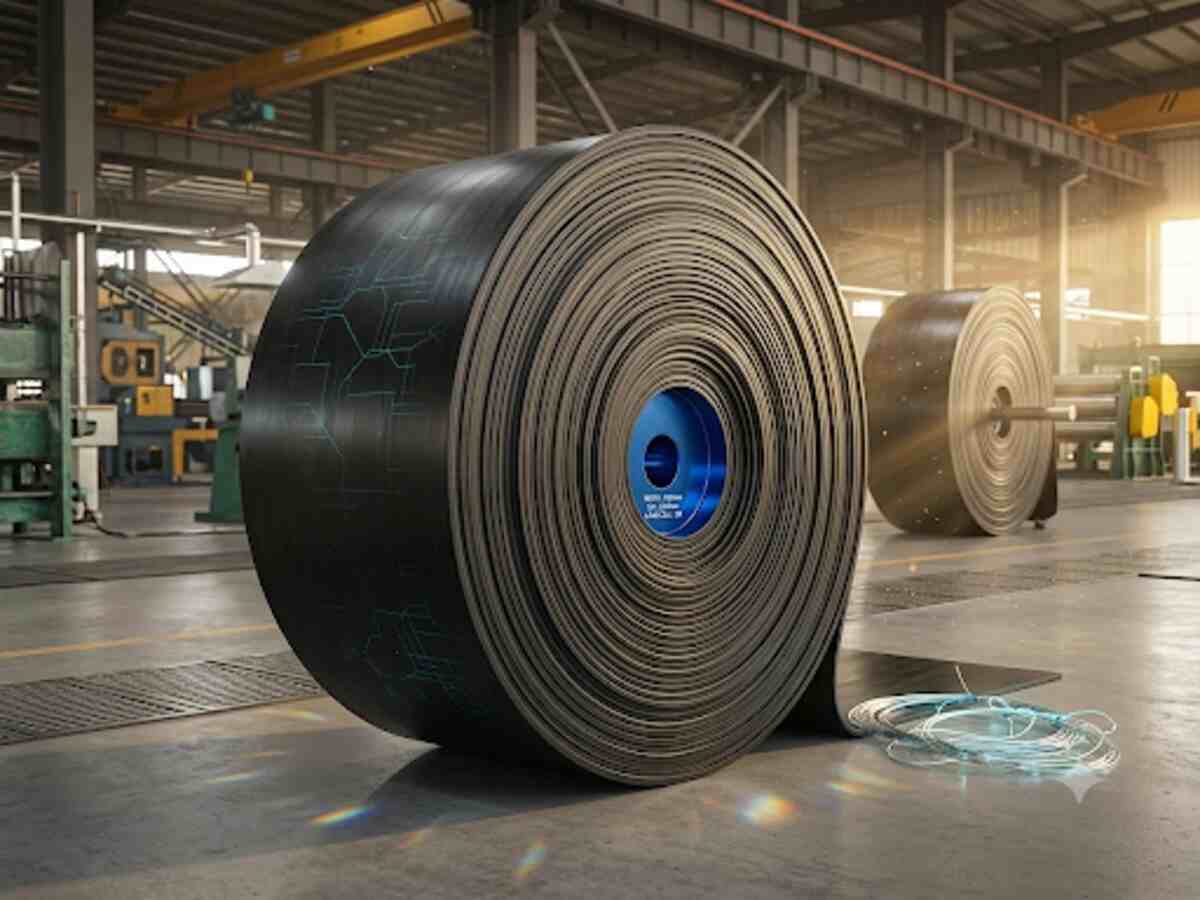
Conveyor belts move goods, materials, and products every single day. They work quietly in factories, warehouses, mines, and airports. Most people never think about them. Yet they changed the way the world builds and ships things. This guide looks at where conveyor belts came from, how they grew, and where they stand today.
Origins of Conveyor Belt Technology
The History of Conveyor Belts goes back further than most people expect. Simple belt systems appeared in the late 1700s. Early versions used leather or canvas stretched over wooden rollers. Farmers used them to move grain. These first belts were basic, but they solved a real problem. Moving heavy loads by hand took time and effort. A belt could do the job faster, with less strain on workers.
By the 1800s, factories began to grow. Owners needed a way to move raw materials across long distances inside a single building. Belts made from rubber and fabric started to replace the older leather designs. These materials lasted longer and handled more weight. This shift marked the start of conveyor belts as we know them today. The technology was still simple, but the idea had proven itself. It saved time, cut labor costs, and reduced injuries on the factory floor.
Early Industrial Applications
Mining was one of the first industries to adopt conveyor belts on a large scale. Coal mines needed a way to move material from deep underground to the surface. Belts made this task safer and quicker than carts or manual carrying. Workers no longer had to push heavy loads through narrow tunnels.
Agriculture also embraced the technology early on. Grain elevators used belts to lift crops into storage silos. This reduced spoilage and sped up the harvest process. Farmers could move larger amounts of grain with fewer workers.
Then came the automobile industry. In the early 1900s, Henry Ford introduced the moving assembly line. Conveyor belts carried car parts from one station to the next. This single change cut production time dramatically. A car that once took over twelve hours to build could now be finished in about ninety minutes. Other industries took notice and began building their own conveyor systems. The belt had become a symbol of efficiency.
Advances in Materials and Design
As demand grew, engineers looked for ways to make belts stronger and more reliable. Rubber remained popular, but manufacturers began adding layers of fabric and steel cord for extra strength. These reinforced belts could carry heavier loads over longer distances without breaking down.
New designs also appeared. Flat belts worked well for light packages, while troughed belts held loose material like sand or gravel in place during transport. Some belts were built with cleats or side walls to move items up steep inclines. Each design solved a different problem, and factories could now choose the right belt for the right job.
Motors and control systems improved too. Early belts ran at a single, fixed speed. Later systems allowed operators to adjust speed based on the task at hand. This gave factories more control over output and reduced waste. Safety features such as emergency stop switches and guards also became standard. Workers faced fewer risks, and production lines ran more smoothly.
Modern Conveyor Belt Manufacturers
Today, many companies produce conveyor belts for a wide range of industries. One example is Rentone Belt, a manufacturer known for producing durable belts used in mining, food processing, and logistics. Companies like this focus on quality materials and precise engineering. Their belts must handle constant use, heavy loads, and sometimes harsh conditions such as extreme heat or moisture.
Modern manufacturers also pay close attention to sustainability. Many now use recyclable materials or design belts that last longer, which reduces waste over time. Some offer custom solutions built for a client’s specific equipment and workflow. This level of customization was not possible in the early days of belt production. Buyers can now choose from a wide range of widths, materials, and strength ratings depending on their needs.
Automation has also changed how these companies operate. Computer modeling allows engineers to test a belt’s performance before it is ever built. This cuts down on trial and error and speeds up the design process. As a result, businesses can get reliable, tested products faster than before.
Conveyor Belts in Modern Industry
Conveyor belts now appear almost everywhere. Airports use them to move luggage. Grocery stores use them at checkout counters. Amazon and other shipping companies rely on massive belt networks to sort and move millions of packages each day. Without these systems, modern supply chains would slow to a crawl.
Manufacturing plants still depend heavily on belts too. Car factories, electronics assembly lines, and food packaging plants all use them daily. The basic idea has not changed much since Ford’s assembly line. Move the product along, let workers or machines do their part, then move it to the next stage. What has changed is the scale and the technology behind it.
Robotics now often work alongside conveyor belts. Sensors detect when a package is out of place. Robotic arms can sort or pack items without human help. This combination of old and new technology keeps production lines fast and accurate.
Conclusion
Conveyor belts started as a simple tool to move grain. They grew into one of the most important pieces of equipment in modern industry. From mining tunnels to car factories, from grocery stores to international airports, belts keep goods and materials moving. Materials improved. Designs became more specific. Manufacturers refined the process until belts could handle almost any job. The story of the conveyor belt is really the story of industrial progress itself. As technology continues to advance, these belts will likely keep changing too, finding new ways to move the world forward.