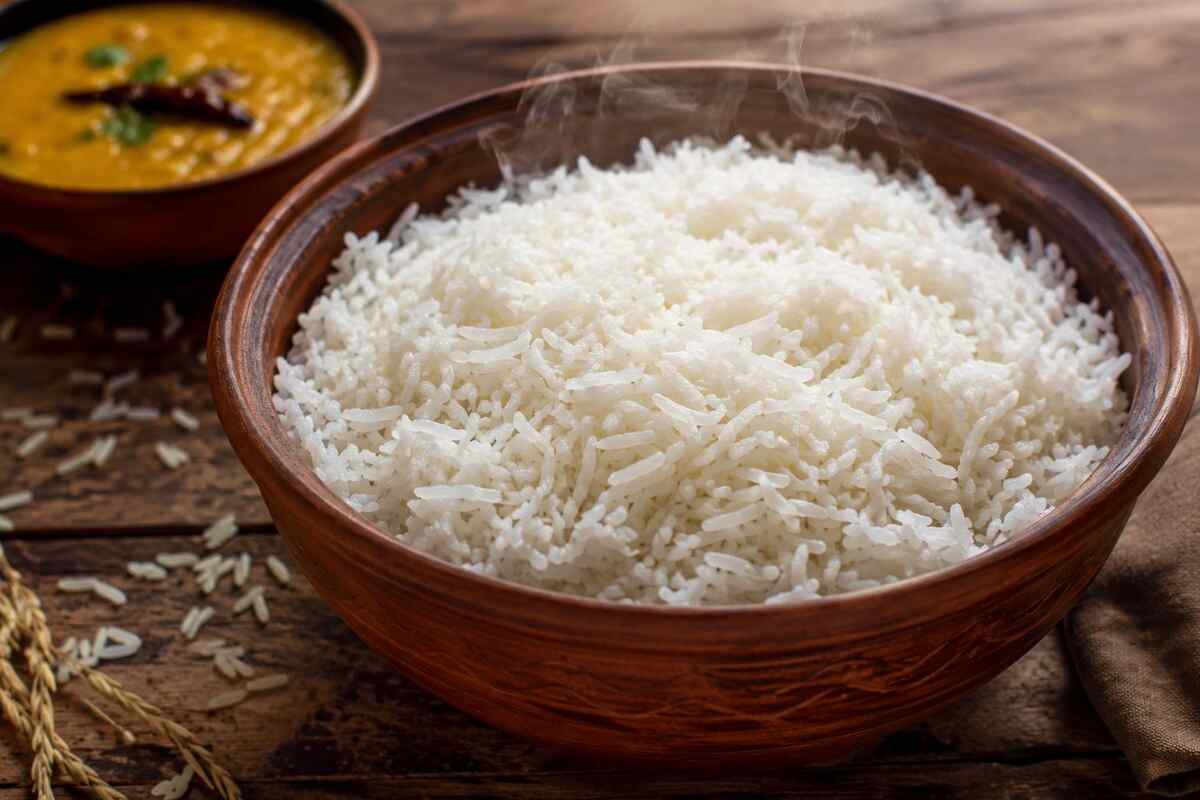
If you’ve spotted banskathi rice on a grocery shelf or a Bengali menu and wondered what makes it different from regular long-grain rice, you’re not alone. It’s a non-basmati, long-grain aromatic variety grown mainly in West Bengal, India, known for its mild fragrance, soft yet firm texture, and the way it stays fluffy and separate after cooking instead of turning sticky.
While basmati gets most of the international attention, this Bengali staple has quietly become a daily essential in local households and is now gaining interest among cooks and health-conscious buyers outside the region.
This guide covers where it comes from, how it compares to basmati, its nutritional profile, how to cook it well, and which dishes it suits best.
What Is Banskathi Rice?
It’s a traditional long-grain rice variety native to eastern India, cultivated for generations in West Bengal’s fertile, monsoon-fed soil.
A few defining traits set it apart:
- Grain length: Long and slender, similar in shape to basmati
- Aroma: Mild and natural, without basmati’s strong fragrance
- Texture: Soft yet firm, non-sticky once cooked
- Color: Usually polished white, though semi-polished versions exist
It’s best described as a daily rice rather than an occasion-only grain. That everyday reliability is a big part of why it holds such a strong place in Bengali food culture.
Origin and History of This Bengali Rice Variety
This rice isn’t a modern invention or a marketing label. Farmers in West Bengal have grown it as part of traditional paddy farming for generations, passing down seed selection and cultivation techniques within families.
Its recognition has also grown beyond regional markets. Around 2020, India’s agricultural export bodies identified it as one of the promising non-basmati aromatic varieties with export potential, a signal that its reputation now extends past local consumption.
This history matters for buyers because it points to authenticity. A rice variety with decades of consistent cultivation behind it, rather than a blended or engineered product, carries a genuine agricultural identity, not just clever packaging.
Where This Rice Is Grown in West Bengal
It’s primarily cultivated in West Bengal districts such as Birbhum, Bardhaman, and Bankura, where alluvial soil and consistent monsoon rainfall create favorable growing conditions. Rice remains the backbone of West Bengal’s economy, which is part of why the region has refined its cultivation practices over generations.
These regions share a few traits that directly affect the rice you eventually cook:
- Fertile, nutrient-rich alluvial soil suited to paddy cultivation
- Reliable monsoon patterns supporting rain-fed farming
- Generations of local farming knowledge specific to this variety
Because it’s shaped by a specific region rather than optimized purely for yield, this variety tends to have a more distinct flavor and aroma than generic long-grain rice without any regional identity behind it.
Key Characteristics: Aroma, Grain Size, and Texture
Knowing what genuine grains look and smell like helps you identify quality before you even start cooking.
Grain Size and Appearance
Grains typically measure 5 to 7 mm in length, long, slender, and polished. Some sellers market extra-long batches as “Banskathi Basmati” to highlight grain length, but this is a distinct variety in its own right, not a basmati subtype.
Aroma
This is where it quietly stands out. It has a natural fragrance, sometimes compared to hints of pandan or jasmine, though noticeably subtler than basmati’s strong scent. That makes it versatile for everyday cooking, since the aroma complements a dish rather than overpowering it.
Texture After Cooking
A moderate amylose content gives this rice a fluffy, separate texture once cooked. It sits comfortably between sticky short-grain rice and very dry long-grain varieties, which is part of why it works so well for daily meals.
Banskathi Rice vs Basmati Rice: Key Differences
This is likely the question that brought you here, so here’s a direct comparison.
| Feature | Banskathi Rice | Basmati Rice |
| Origin | Eastern India (West Bengal) | Northern India, Pakistan |
| Aroma | Mild, subtle | Strong, distinct |
| Grain length | Long, slender | Extra-long, slender |
| Price | Generally more affordable | Typically more expensive |
| Best use | Daily meals, light pulao | Biryani, festive dishes |
| Texture | Soft, non-sticky | Fluffy, very separate |
A simple way to think about it: basmati suits special occasions, while this variety is the everyday rice that still delivers real character. For a typical weeknight meal, it often makes more practical sense since you get aroma and quality without the premium price tag.
That said, it isn’t just a budget basmati substitute. It has its own flavor identity, and many Bengali households prefer it for daily cooking on taste alone, not only for cost.
Nutritional Value and Health Benefits
Beyond taste, this rice holds up well nutritionally, particularly compared to heavily polished white rice.
It generally offers:
- Carbohydrates: A solid energy source, as with most rice varieties
- Fiber: Moderate levels that support digestion
- Low fat content: Keeps it light without adding unnecessary calories
- Lower glycemic index: Compared to many heavily polished rice types, based on research from regional agricultural bodies
The lower glycemic profile is worth noting. It means this variety tends to cause a slower rise in blood sugar than more processed white rice, which can make it a sensible choice for people watching their blood sugar. That said, it shouldn’t replace guidance from a doctor or dietitian for anyone managing diabetes.
No rice variety qualifies as a superfood, but as a staple carbohydrate, it offers a reasonably balanced nutritional profile without artificial processing.
Why Bengali Households Rely on This Rice Every Day
Food habits are built on memory and everyday practicality as much as nutrition facts, and that’s really the reason this variety holds such a firm place in Bengali kitchens.
A few reasons it remains a household staple:
- Affordability: Delivers aromatic, quality rice without the basmati price tag
- Versatility: Works for plain steamed rice, pulao, and even light biryani
- Familiarity: Many families have cooked with it for generations, with recipes built around its texture and cooking time
- Consistency: Behaves predictably in the pot, which matters when cooking for a family daily
There’s a cultural layer too. Dishes like Basanti Pulao and payesh, a Bengali rice pudding, are often made with this rice because its subtle aroma supports the other flavors instead of competing with them.
How to Cook This Aromatic Rice at Home
Cooking it well isn’t complicated, but a few habits make a noticeable difference in the final texture.
- Rinse before cooking. Rinse two to three times under cold water until it runs mostly clear, removing excess surface starch that causes clumping.
- Soak for 20 to 30 minutes. A short soak softens the grains and helps them cook more evenly.
- Use the right water ratio. Start with 1 cup of rice to 1.5 to 1.75 cups of water, adjusting slightly depending on the batch.
- Avoid overstirring. Stirring too much releases starch and pushes the texture toward sticky rather than fluffy.
- Let it rest after cooking. Keep it covered for 5 to 10 minutes off the heat so the steam finishes cooking evenly, then fluff with a fork.
Following these steps gives you the light, separate, fragrant result that makes this rice worth seeking out.
Popular Dishes Made With This Rice
Thanks to its mild aroma and firm-but-soft texture, it adapts well across Bengali and pan-Indian dishes:
- Basanti Pulao: A festive, lightly sweetened yellow pulao where the rice’s aroma comes through clearly
- Payesh: A traditional rice pudding made with milk, sugar, and dried fruits, relying on rice that softens without falling apart
- Steamed daily rice: The most common use, served with dal, vegetables, or fish curry
- Light biryani: Less common than basmati for biryani, but works well in simpler, home-style recipes
- Khichdi: A comfort dish combining rice and lentils, where its texture holds up nicely
If you’re trying it for the first time, start with simple steamed rice to get a feel for its texture before moving to more involved recipes.
How to Choose Quality Rice When Buying
Not all banskathi rice on the market is the same, so a bit of attention while buying goes a long way.
- Check grain length and uniformity. Genuine batches have consistently long, slender grains rather than broken or mixed pieces.
- Look for a natural aroma. You should notice a mild fragrance, not an artificial or overly strong scent, which can indicate added flavoring.
- Verify the source region. Rice grown in West Bengal’s traditional districts tends to be more authentic than generic long-grain rice repackaged under the name.
- Check the packaging date. Fresher batches cook more evenly and hold their aroma better.
- Compare price against known brands. An unusually cheap deal for the volume is worth double-checking before buying.
Buying from established suppliers or mills with a track record in Bengal-grown rice is generally a safer bet than choosing the lowest price without checking these details.
FAQs
Is banskathi rice the same as basmati rice?
No. It’s a distinct non-basmati variety grown mainly in West Bengal. It shares a similar grain length but has a milder aroma and different texture than basmati.
Is banskathi rice healthy?
Yes, reasonably. It has a lower glycemic index than heavily polished white rice, along with moderate fiber and low fat, making it a balanced everyday carbohydrate.
Can banskathi rice be used for biryani?
It can, especially for home-style or lighter biryani recipes, though basmati remains the traditional choice for elaborate, restaurant-style biryani due to its stronger aroma and longer grain.
Why is banskathi rice cheaper than basmati?
It’s generally more affordable because it’s grown regionally with less international demand and doesn’t carry basmati’s global brand recognition, despite offering comparable quality for everyday cooking.
How long does it last in storage?
Stored properly in a cool, dry, airtight container, it typically stays fresh for up to 24 months, though flavor and aroma are best within the first year.
Where can I buy authentic banskathi rice?
Look for suppliers or mills based in West Bengal, or trusted retailers that specify the region of cultivation. Checking grain uniformity and aroma on arrival helps confirm authenticity.
Conclusion
Banskathi rice may not carry basmati’s global recognition, but that’s part of what makes it worth knowing. Built on generations of Bengali farming tradition, it offers a mild aroma, fluffy texture, and solid nutritional value at a price that suits everyday cooking, not just special occasions.
Whether steamed plain, folded into a Basanti Pulao, or simmered into payesh, this rice earns its place through consistency rather than marketing. If you haven’t tried it yet, it’s a simple addition to your kitchen staples with a genuinely rich story behind it.