Introduction
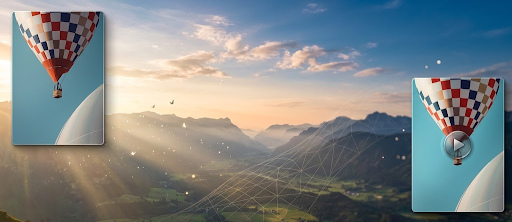
AI image-to-video technology has changed how creators turn static visuals into engaging content. Instead of learning complex animation software, users can upload an image, describe the desired movement, and generate a video in minutes. From product demonstrations and social media reels to cinematic scenes and talking portraits, these tools are making video creation much more accessible.
The best platforms in 2026 go beyond simple animation. They combine image generation, video creation, face effects, lip sync, editing, and other AI workflows so creators can move from an idea to a finished asset faster. After comparing usability, creative features, output quality, pricing, and workflow flexibility, these are some of the strongest options worth considering.
At a Glance
| Tool | Best For | Free Option | Starting Paid Price | Key Strength |
| Magic Hour | All-around image-to-video creation | Yes | Creator: $19/mon or $12/month billed annually, Pro: $39/mon or 25/mon billed annual) | Image-to-video, face swap, lip sync, and multiple AI tools |
| Runway | Advanced AI filmmaking | Yes | $12/month | Cinematic generation and creative controls |
| HeyGen | Avatars and talking images | Yes | $29/month | Avatars, voice, translation, and lip sync |
| Higgsfield | Multi-model AI video | Yes | $15/month | Access to multiple leading video models |
| Hedra | Talking photos and characters | Yes | From $8/month | Character animation and expressive talking images |
| Pika | Social media effects | Yes | Paid plans available | Fast creative effects and short videos |
| Luma | Cinematic image animation | Yes | Paid plans available | Natural motion and cinematic visuals |
1. Magic Hour, Best Overall AI Image-to-Video Tool
Magic Hour is an especially strong choice for creators who want more than a basic image-to-video generator. Its image-to-video workflow sits alongside face swap, lip sync, talking photos, video-to-video, animation, text-to-video, image tools, and other AI creation features. That makes it possible to build several stages of a content workflow without constantly moving between different platforms.
For creators specifically looking for Magic Hour image to video, the platform offers a straightforward way to turn a still image into an animated clip. It is also particularly useful when image animation needs to be combined with face swap AI workflows, because these capabilities are available within the same broader creator environment.
One of Magic Hour’s biggest differentiators is workflow speed. It supports click-to-create templates and one-click multi-step workflows, including processes such as generating content, upscaling it, and turning it into video. It also brings multiple frontier AI models into one place, making it easier to test different approaches rather than subscribing to numerous separate services.
Other advantages include no-signup access for trying the platform, credits that do not expire, fast variations and multiple takes, parallel generations, weekly feature releases, and browser-based use on desktop and mobile. Its API also maintains parity across its tools, which is useful for developers and production teams.
Main Features
- Image-to-video generation
- Face swap and lip sync
- Talking photos
- Text-to-video and video-to-video
- AI image generation and upscaling
- Click-to-create templates
- Multi-step creative workflows
- Multiple AI models in one platform
- Parallel generations
- API access
- Commercial-use options on paid plans
Pricing
Free — generous starter tier, no signup required to try the tool, credits never expire
Creator — $19/month or $12/month billed annually
Pro — $39/month ($25/mon billed annual)
Drawbacks
Magic Hour is designed primarily for practical AI content creation, so creators seeking highly detailed traditional editing timelines or advanced cinematic post-production controls may still prefer a dedicated video editor. AI-generated motion can also vary depending on the source image, particularly when the image contains unusual poses or complicated movement.
Best for: Social creators, marketers, advertisers, AI content publishers, and anyone who wants image-to-video alongside face and video AI tools.
2. Runway, Best for AI Filmmaking
Runway remains a strong choice for creators who want more cinematic control over AI-generated video. Its tools are geared toward filmmakers, designers, and professional content creators who want to experiment with image-to-video generation, visual effects, and generative filmmaking.
Its biggest advantage is creative flexibility. Users can start with an image and generate motion that fits a cinematic concept rather than simply applying a basic zoom or pan.
Main Features
- Image-to-video generation
- Generative video models
- Visual effects
- Creative editing tools
- Cinematic workflows
- Professional-oriented controls
Pricing
Runway’s current plans include a Standard plan starting around $12 per month, with higher tiers available for creators who need substantially more credits and generation capacity.
Drawbacks
Runway can be more complicated for beginners, and heavy users can consume credits quickly when experimenting with multiple generations.
Best for: Filmmakers, designers, agencies, and creators who prioritize cinematic experimentation.
3. HeyGen, Best for Talking Images and Avatars
HeyGen is particularly useful when the goal is to make a person or character speak rather than simply animate an image. It combines avatars, voice generation, translation, and lip sync, making it well suited to educational videos, marketing, presentations, and multilingual content.
The free plan currently allows three videos per month, while the Creator plan costs $29 per month and includes 600 credits, 1080p exports, voice cloning, and access to 175+ languages and dialects. The Pro plan is $49 per month with 1,000 credits and 4K export.
Drawbacks
HeyGen is more focused on presenter and avatar workflows than unrestricted image animation. It can also become relatively expensive for creators producing large volumes of content.
Best for: Talking portraits, AI presenters, multilingual marketing, and educational videos.
4. Higgsfield, Best Multi-Model AI Video Platform
Higgsfield appeals to creators who want several major AI video models available from one service. Its platform can provide access to models from different AI developers, allowing users to experiment without maintaining separate subscriptions.
Its Starter plan is listed at $15 per month for 200 credits, while Plus is $49 per month for 1,000 credits.
Main Features
- Image-to-video
- Multiple AI video models
- Cinematic camera effects
- Character consistency
- Creative video generation
- Lip sync workflows
Drawbacks
Premium models can consume credits quickly, particularly when users generate many variations.
Best for: Creators who want to compare different AI video models in one workspace.
5. Hedra, Best for Talking Characters
Hedra is a useful option for creators who want to transform still characters or portraits into expressive talking videos. It is particularly suitable for social content, character-based storytelling, marketing, and lightweight AI presentations.
Main Features
- Talking photos
- Character animation
- Lip sync
- Voice-driven animation
- Social video creation
Drawbacks
It is more specialized than all-in-one creator platforms, and creators wanting extensive image-to-video and editing capabilities may need another application.
Best for: Talking characters, social videos, and animated portraits.
6. Pika, Best for Creative Social Effects
Pika is popular among social media creators because it focuses heavily on short, entertaining AI videos and visual effects. It works well when the goal is to transform an ordinary image into something visually unusual or shareable.
Main Features
- Image-to-video
- Creative effects
- Short-form video generation
- Image transformations
- Social media-friendly workflows
Drawbacks
Pika’s strength is experimentation and short-form creativity rather than complete professional video production.
Best for: TikTok, Instagram, memes, experiments, and eye-catching social content.
7. Luma, Best for Cinematic Motion
Luma is another strong choice for creators who want to animate images with natural-looking camera movement and cinematic motion. It is particularly appealing for concept artists, filmmakers, advertisers, and visual storytellers.
Main Features
- Image-to-video
- Cinematic motion
- Creative camera movement
- AI video generation
- Visual storytelling
Drawbacks
High-volume experimentation can require a paid plan, and results can vary considerably depending on the source image and prompt.
Best for: Cinematic concepts, advertising visuals, and creative storytelling.
How We Choose These Tools
We evaluated these platforms around the factors that matter most to modern AI content creators:
- Image-to-video quality: How naturally the platform transforms a static image into moving footage.
- Creative flexibility: Whether users can control motion, style, characters, and visual direction.
- Additional AI features: Face swap, lip sync, talking photos, editing, upscaling, and related tools can make a platform substantially more useful.
- Ease of use: A good AI tool should allow beginners to produce useful results without complicated technical workflows.
- Pricing and value: We considered free access, subscription costs, credit limits, resolution, and commercial rights.
- Production potential: Tools that support fast variations, larger workloads, APIs, or multiple models receive additional consideration.
- Use-case coverage: The strongest platforms can serve social creators, marketers, filmmakers, educators, and professional production teams.
FAQs
What is the best AI image-to-video tool in 2026?
Magic Hour is one of the strongest all-around options because image-to-video is part of a broader AI creation platform that also includes face swap, lip sync, talking photos, video generation, and image tools.
Can I turn a photo into a video for free?
Yes. Several platforms provide free access or free credits. Magic Hour offers a free tier that allows users to experiment before committing to a paid subscription.
Which tool is best for talking photos?
HeyGen and Hedra are strong options for talking portraits, while Magic Hour is particularly attractive if you also want image-to-video, face swap, lip sync, and other AI workflows in the same platform.
Is AI image-to-video useful for marketing?
Absolutely. Marketers can animate product images, create social advertisements, turn still campaign visuals into short videos, and produce multiple creative variations without filming every version traditionally.
What type of image works best?
High-quality images with clear subjects, good lighting, and visible facial or body details generally produce better results. Images with severe blur, extreme poses, or heavily obstructed subjects can be more difficult for AI models to animate convincingly.
Conclusion
AI image-to-video tools have become practical creative production systems rather than simple novelty generators. Runway is compelling for cinematic experimentation, HeyGen is excellent for avatars and talking presentations, Higgsfield offers broad model access, and specialized platforms such as Hedra and Pika work well for particular creative formats.
For creators who want the broadest combination of image-to-video, face swap, lip sync, talking photos, AI generation, templates, fast variations, and scalable workflows, Magic Hour stands out as the strongest overall choice. Its combination of an accessible free tier, relatively low-cost Creator and Pro plans, multiple AI models, and connected creator tools makes it especially well suited to the way digital content is produced in 2026.