
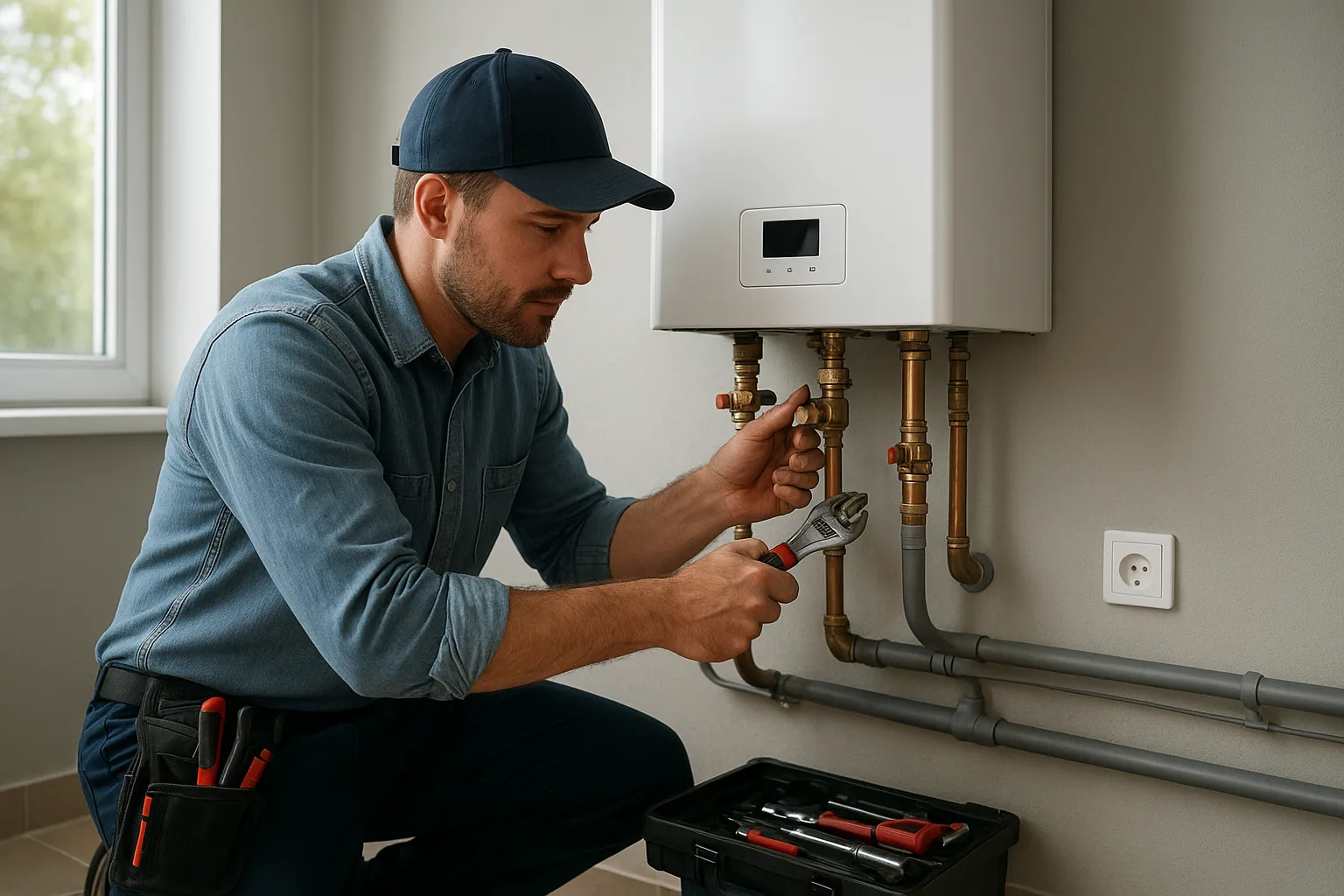
Hot water is one of those everyday comforts that often goes unnoticed until it suddenly stops working. Whether it is for bathing, cleaning, cooking, or commercial operations, a properly functioning water heater is essential for daily life. When problems arise, they can disrupt routines, reduce comfort, and even indicate deeper mechanical issues within the plumbing system. This is where water heater repair becomes an important service that restores performance, efficiency, and safety.
Water heaters operate continuously in the background, heating and storing water so it is ready whenever needed. Over time, sediment buildup, heating element failure, thermostat issues, and pressure fluctuations can reduce efficiency or cause complete breakdowns. Understanding how these systems work and what causes failures helps property owners respond quickly and avoid more costly replacements.
Understanding How Water Heaters Work
A water heater is designed to heat water and deliver it to various fixtures throughout a building. There are two main types of systems: tank-based water heaters and tankless water heaters. Both serve the same purpose but operate differently.
Tank water heaters store a large volume of water in an insulated container and maintain it at a constant temperature using gas burners or electric heating elements. When hot water is used, cold water enters the tank and is heated again to replace it.
Tankless systems, on the other hand, heat water on demand as it flows through the unit. This provides continuous hot water without the need for storage, improving energy efficiency in many cases.Both systems rely on key components such as thermostats, heating elements, gas valves, pressure relief valves, and internal sensors. When any of these components fail, performance issues begin to appear, often requiring water heater repair to restore proper function.
Common Signs of Water Heater Problems
Water heaters usually show warning signs before they fail completely. One of the most common symptoms is inconsistent water temperature. If water becomes too hot, too cold, or fluctuates unexpectedly, it may indicate thermostat or heating element issues.
Another frequent sign is reduced hot water supply. When a system cannot produce enough hot water for normal usage, it may be struggling with sediment buildup or failing components.
Strange noises coming from the unit, such as popping, rumbling, or banging, often indicate sediment accumulation at the bottom of the tank. This sediment hardens over time and forces the system to work harder, reducing efficiency.
Discolored or rusty water may suggest corrosion inside the tank or pipes. In some cases, leaks around the base of the water heater indicate internal tank failure or pressure issues.Recognizing these early warning signs allows property owners to schedule timely water heater repair before the system fails completely.
Causes of Water Heater Malfunctions
There are several reasons why water heaters stop working efficiently. One of the most common causes is sediment buildup. Over time, minerals from hard water settle at the bottom of the tank, creating a barrier between the heating element and the water. This reduces efficiency and increases energy consumption.
Thermostat failure is another frequent issue. If the thermostat is not functioning properly, it may cause water to become too hot or not heat at all.Heating element failure is especially common in electric water heaters. When these elements burn out, the system loses its ability to heat water effectively.
In gas-powered systems, issues such as faulty pilot lights, gas valve problems, or burner malfunctions can interrupt heating performance.Pressure relief valve failure is also a serious concern, as it can lead to unsafe pressure buildup inside the tank.Each of these issues requires proper diagnosis and professional water heater repair to ensure safe and effective resolution.
The Water Heater Repair Process
Repairing a water heater begins with a detailed inspection of the system. Technicians first assess the type of water heater, its age, and the symptoms being experienced. This helps narrow down potential causes of the problem.
For tank systems, sediment buildup is often checked by flushing the tank and examining water quality. Electrical components such as heating elements and thermostats are tested using specialized tools.In gas systems, technicians inspect the pilot light, burner assembly, and gas control valve to ensure proper operation. Any faulty components are repaired or replaced as needed.
Leak detection is also an important part of the process. Identifying whether leaks are coming from pipes, valves, or the tank itself determines whether repair or full replacement is necessary.Once repairs are completed, the system is tested to ensure it is heating water efficiently and safely.
Importance of Timely Repairs
Delaying water heater repair can lead to more serious problems over time. Small issues such as sediment buildup or minor leaks can quickly escalate into major system failures if ignored.
A malfunctioning water heater can also increase energy bills, as the system works harder to produce the same amount of hot water. This inefficiency not only wastes energy but also places additional strain on internal components.
In severe cases, pressure buildup or internal corrosion can lead to tank rupture, resulting in water damage and costly repairs.Timely water heater repair helps prevent these risks and ensures that the system continues operating safely and efficiently.
Repair vs Replacement Decisions
One of the most important decisions in water heater maintenance is whether to repair or replace the unit. Minor issues such as faulty thermostats, heating elements, or valves can often be repaired quickly and cost-effectively.
However, if the water heater is older or experiencing repeated failures, replacement may be a more practical solution. Most traditional water heaters have a lifespan of around 8 to 12 years, depending on usage and maintenance.
Signs that replacement may be necessary include frequent repairs, persistent leaks, rust inside the tank, and significantly reduced efficiency.A professional evaluation helps determine whether continued water heater repair is worthwhile or if a new system would be more cost-effective in the long term.
Maintenance Tips to Prevent Future Problems
Regular maintenance plays a key role in extending the life of a water heater. One of the most important maintenance tasks is flushing the tank periodically to remove sediment buildup. This helps maintain heating efficiency and prevents internal damage.
Checking the pressure relief valve ensures that the system can safely release excess pressure when needed. Inspecting pipes and connections for leaks also helps prevent water damage.Adjusting the thermostat to an appropriate temperature can improve energy efficiency and reduce strain on the system. In most cases, a setting of around 49–60°C (120–140°F) is recommended.Routine inspections help identify early signs of wear and reduce the likelihood of unexpected breakdowns, minimizing the need for emergency water heater repair.
Energy Efficiency and System Performance
An efficiently operating water heater consumes less energy and provides consistent hot water supply. Sediment buildup, faulty components, and poor insulation can significantly reduce efficiency.
Tankless water heaters are often considered more energy-efficient because they heat water only when needed. However, they still require regular maintenance to ensure optimal performance.Proper insulation of tanks and pipes can also help retain heat and reduce energy consumption.
Efficient systems not only lower utility costs but also contribute to environmental sustainability by reducing overall energy usage.Water heaters involve both high temperatures and pressure systems, making safety an important consideration. Faulty pressure relief valves can lead to dangerous pressure buildup, while gas-powered systems require proper ventilation to prevent carbon monoxide risks.
Electrical water heaters must also be properly grounded to avoid electrical hazards.Professional technicians follow safety protocols during water heater repair to ensure that all components function safely and comply with industry standards.While minor maintenance tasks can sometimes be handled by property owners, most repairs require professional expertise. Water heaters involve complex systems that require specialized tools and technical knowledge to diagnose and repair correctly.
Conclusion: Restoring Comfort Through Reliable Hot Water Systems
Certified technicians can quickly identify the root cause of problems, perform safe repairs, and ensure that the system operates efficiently.
Effective water heater repair restores system efficiency, improves safety, and extends the lifespan of the unit. With proper maintenance and professional servicing, water heaters can continue delivering reliable hot water for years.
Their expertise helps prevent further damage and ensures that repairs are completed according to safety regulations and manufacturer guidelines.A functioning water heater is essential for comfort, hygiene, and daily convenience. When problems occur, timely attention is critical to maintaining performance and preventing costly damage. From sediment buildup and heating failures to thermostat issues and leaks, water heater problems can vary widely in complexity.
Ultimately, caring for a water heating system is an investment in long-term comfort and efficiency, ensuring that one of the most essential utilities in any building remains dependable every day.