
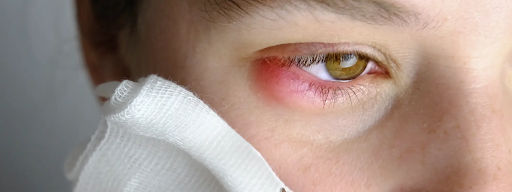
Waking up with a swollen, painful bump on your eyelid can be distressing and uncomfortable. While many minor eye irritations resolve on their own, a persistent lump known as a chalazion often requires specialist medical attention. If you are seeking professional care, The Harley Street Eye Clinic in London offers world-class diagnostic services and bespoke treatment plans to restore your eye health. Understanding what to expect during your patient journey can help alleviate any anxiety you might feel. From your initial assessment to receiving specialised chalazion treatment, this guide outlines the clinical pathway, ensuring you feel confident, informed, and prepared for every step of your recovery.
Understanding Chalazia and When to Seek Help
A chalazion is a benign, painless bump that develops on the upper or lower eyelid. It occurs when a meibomian gland—the tiny oil gland responsible for keeping the eye lubricated—becomes blocked, causing inflammatory fluid to accumulate. Many people mistake a chalazion for a style, but they are distinct conditions. While a stye is an acute, painful bacterial infection of an eyelash follicle, a chalazion is a non-infectious inflammatory lesion that develops slowly over several weeks. Chronic skin conditions like rosacea or blepharitis often increase the risk of developing these blockages.
Initially, you may experience mild tenderness, localised swelling, and generalised eyelid irritation. As the acute inflammation subsides, it leaves a firm, slow-growing lump that can persist for months. While small bumps might resolve with basic home care, larger lesions can press against the cornea, causing temporary astigmatism and blurred vision. You should seek professional evaluation if the swelling increases, causes vision changes, or fails to improve after two weeks of warm compresses. Consulting a specialist ensures an accurate diagnosis, ruling out rarer conditions like sebaceous gland carcinoma, and prevents long-term complications such as permanent eyelid scarring or chronic gland dysfunction.
The Initial Consultation and Diagnostic Process
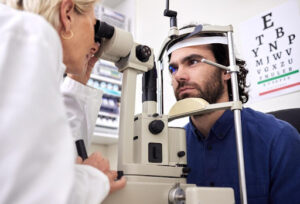
Your journey begins with a comprehensive assessment at The Harley Street Eye Clinic in London. During this initial consultation, an experienced ophthalmic specialist will review your complete medical history, focusing on any previous eye infections, chronic skin conditions, or systemic inflammatory diseases that might predispose you to eyelid blockages. This detailed discussion helps the specialist understand the root cause of your symptoms and tailor a management plan specifically to your needs.
Following the discussion, the consultant performs a detailed examination of your eyes and eyelids using a specialised microscope called a slit lamp. This high-magnification tool allows the clinician to assess the exact location, size, and structure of the lump. They will also inspect the health of your surrounding meibomian glands, check your tear film quality, and evaluate your overall visual acuity. This thorough diagnostic approach is crucial because it helps differentiate a simple chalazion from other ocular lesions, such as dermoid cysts or papillomas. The specialist will then explain the findings clearly, discuss the most suitable options, and outline a clear pathway forward. This collaborative approach ensures you remain fully informed and comfortable with the proposed medical plan before any clinical procedures begin.
Non-Surgical and Conservative Treatment Options
For many patients, surgical intervention is not the immediate first step. Depending on the size and duration of the lump, the specialist may recommend conservative measures to encourage natural drainage. The cornerstone of non-surgical chalazion treatment involves a structured regimen of heat therapy and targeted eyelid hygiene. Applying a warm compress to the closed eyelid for ten minutes, twice daily, helps liquefy the hardened oils trapped inside the blocked meibomian gland. This is immediately followed by gentle eyelid massage, which helps express the softened secretions.
In addition to heat therapy, the clinical team may prescribe topical antibiotic ointments or steroid drops to control localized inflammation and prevent secondary bacterial infections. If the chalazion is associated with underlying blepharitis, you will receive guidance on specialised lid wipes and foaming cleansers to keep the lid margins clean. For persistent, non-infected bumps that do not respond to heat, a localized corticosteroid injection directly into the lesion can be highly effective at reducing the inflammatory mass. These conservative treatments aim to resolve the blockage naturally while preserving the delicate tissue of the eyelid, avoiding the need for invasive procedures whenever possible.
What Happens During a Chalazion Removal Procedure?
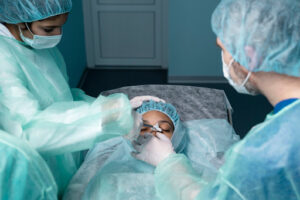
If conservative therapies fail to resolve the lump after several weeks, or if the lesion is particularly large and affecting your vision, a minor surgical procedure called incision and curettage is recommended. This highly effective outpatient procedure takes approximately fifteen to twenty minutes and is performed under local anaesthetic, ensuring you feel absolutely no pain during the process.
The surgeon begins by administering a small local anaesthetic injection directly into the eyelid tissue. Once the area is completely numb, a specialised clamp is placed to hold the eyelid secure and minimise bleeding. The surgeon then makes a tiny, vertical incision on the inside of the eyelid. By accessing the gland from the inner surface, the surgeon ensures there is absolutely no visible external scarring on your face. Using a delicate instrument called a curette, the surgeon carefully clears out the trapped inflammatory debris and contents of the blocked gland. The clamp is then removed, and a pressure patch is applied over the eye to prevent swelling and bruising. Because the incision is made on the moist inner lining of the eyelid, it heals rapidly on its own without the need for stitches.
Post-Operative Care and Recovery Guidelines
Following your chalazion treatment, proper post-operative care is vital to ensure optimal healing and prevent recurrence. You will be advised to keep the pressure patch in place for a few hours immediately after the procedure. Once you remove the patch, it is completely normal to experience mild swelling, bruising, and a pinkish discharge from the eye. These side effects are temporary and typically resolve within a few days.
To support your recovery, the clinical team at The Harley Street Eye Clinic in London will prescribe antibiotic eye drops or ointments to apply for a week. You should avoid wearing contact lenses and eye makeup for at least five days, or until the eyelid has healed completely. Applying cool compresses can also help soothe any residual discomfort and reduce swelling during the first forty-eight hours. Most patients can return to work and resume light daily activities the day after surgery, though strenuous exercise should be avoided for a week. A follow-up appointment is usually scheduled to monitor your progress, ensure the gland is healing correctly, and provide tailored advice on long-term eyelid hygiene to prevent future blockages.
Conclusion
Dealing with a persistent eyelid lump can be frustrating, but seeking professional care ensures a swift, safe, and effective resolution. From the initial detailed diagnostics to tailored non-surgical therapies and precise minor surgeries, patients receive world-class care at every stage. By choosing a reputable specialist facility, you gain access to experienced clinicians who prioritise both your physical comfort and your visual health. Understanding the treatment pathway helps demystify the process, allowing you to approach your recovery with absolute confidence. If you are struggling with a stubborn chalazion, booking a consultation with dedicated specialists is the first step toward restoring clear, comfortable vision and reclaiming your peace of mind.