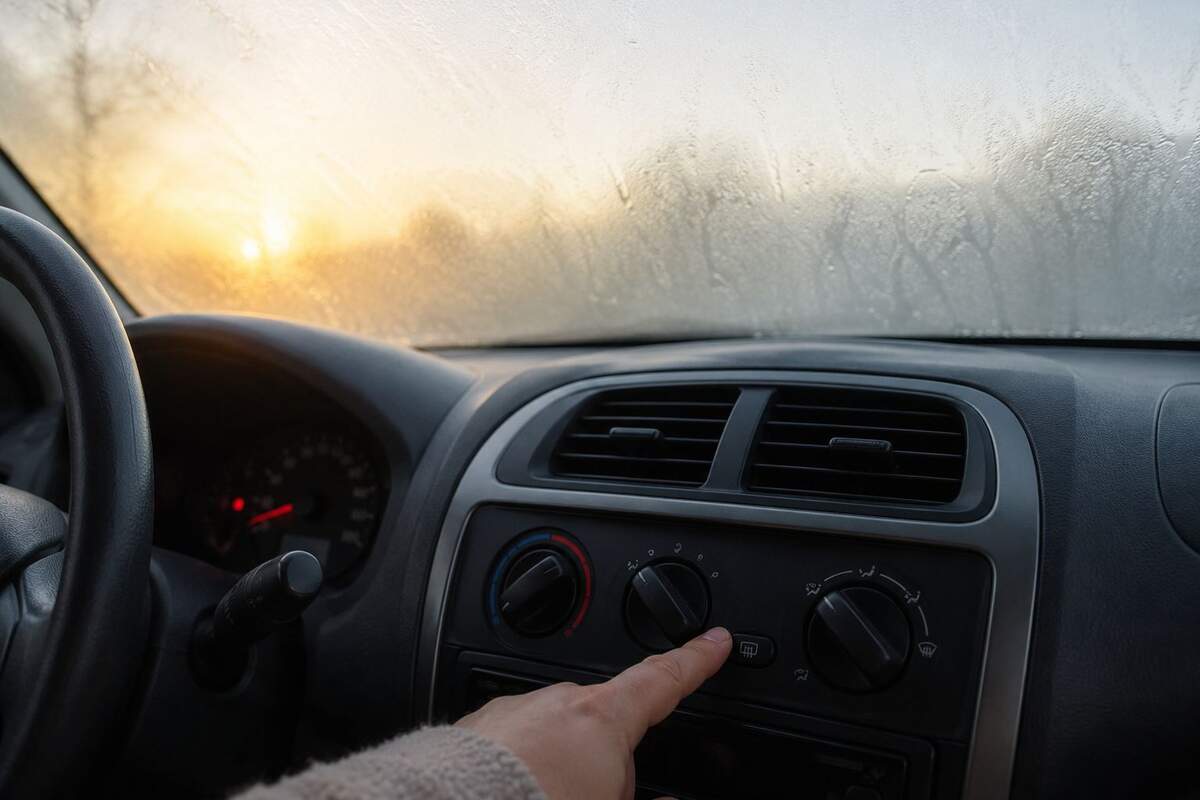
You get in the car, and within seconds the windshield turns hazy. Cranking the AC feels like the obvious fix, but it’s cold outside and you don’t want icy air blowing in your face.
The good news is that learning how to stop car from fogging up doesn’t require full-blast AC. Once you understand what causes it, you can clear it fast and stop it from coming back. Here’s what actually works, in every season.
Why Car Windows Fog Up in the First Place
Fogging happens because of a temperature and humidity mismatch. Warm, moist air inside your cabin meets the cooler glass, and that moisture condenses into the fine droplets you see. The bigger the gap between inside and outside temperature, the faster it builds.
A few things make it worse:
- Breath and body heat, especially with more passengers
- Wet umbrellas, shoes, or clothing left inside
- Melting snow or rain tracked in on the mats
- A dirty or clogged cabin air filter
Every fix in this guide comes down to managing one of two things: moisture or temperature difference.
The Real Reason Blasting the AC Isn’t Always the Answer
AC does dry the air, which is why it clears fog. But full blast on a cold morning trades one problem for another, and most people turn it back down within minutes, right as the fog creeps back in.
The better move is running AC and heat together. The AC pulls moisture out of the air, and the heater warms it back up before it hits your vents. You get dry air without a cold cabin.
If your car has automatic climate control, look for a defog or auto button that handles this balance for you. On manual controls, set the temperature warm, fan speed moderate, and switch the AC on alongside the heat.
How to Stop Car From Fogging Up Using Just Your Vents
You don’t always need the AC compressor to fight fog. Vent settings alone can clear mild haze quickly if you catch it early.
Try this order:
- Switch to the defrost setting so air hits the windshield directly
- Turn off recirculate, since it just reuses the humid air already inside
- Crack a window an inch to let moisture escape
- Bump the fan speed up slightly to speed up evaporation
This combination often clears fog in under a minute without touching the temperature dial at all. These steps mirror manufacturer-recommended defrost settings used across most modern vehicles.
Quick Fix: Clearing a Foggy Windshield While You’re Driving
If fog hits mid-drive, don’t wait it out. Switch to defrost, turn off recirculate, and crack the windows right away. This combo clears glass fastest.
Use your wipers if the fog is on the outside of the windshield. If you’re stopped, a dry microfiber cloth clears the inside quickly, don’t use paper towels since they leave lint and can scratch the glass. Turn on the rear defroster too if visibility is poor there.
If none of this clears things fast enough, pull over rather than keep driving with poor visibility. A few lost seconds beats a preventable accident.
Recirculate vs. Fresh Air: Which Setting Actually Helps
Recirculate reuses air already inside your cabin. It’s great for cooling down fast in summer or blocking outside smoke and odors, but it keeps humid air cycling past your windows.
Fresh air mode pulls in air from outside, which is usually drier than the moist air trapped in your cabin, especially in cold weather. That makes it your best setting whenever fog is a problem.
The simple rule: fresh air for fog, recirculate for quick cooling or bad outside air.
Preventing Foggy Windows in Cold Weather
Winter fogging comes from warm breath and heater output meeting freezing glass. Prevention is mostly about cutting moisture before it builds up.
A few habits help:
- Knock snow off boots and clothing before getting in
- Keep a microfiber towel in the car for wet mats or seats
- Run the defrost for a minute before driving off
- Check door and window seals for gaps letting in damp air
- Use a silica gel pack on the dash overnight to absorb moisture
Staying ahead of moisture means less time defrosting every morning.
Stopping Condensation on Windows During Rain or Humid Weather
Warm-weather fogging works in reverse. Hot, humid air outside meets your cool AC-chilled glass, so condensation often forms on the outside of the windshield instead of the inside.
To manage it, turn the AC down slightly rather than running it ice cold, which narrows the temperature gap. Use your wipers to clear exterior fog since defrost vents won’t reach outside glass, and avoid parking in direct sun right before a humid drive.
A lot of drivers assume AC always helps here, but dialing it back slightly is often the better call.
Simple Habits That Keep Interior Moisture Under Control
A few ongoing habits keep your car less prone to fogging in any season:
- Clean windows regularly, since dirt and residue attract moisture
- Don’t leave wet items like gym clothes or umbrellas inside
- Replace your cabin air filter on schedule
- Dry out floor mats after rain or snow instead of leaving them damp
- Run the AC occasionally in winter too, to keep its dehumidifying function working
These small habits stop fog at the source instead of leaving you to fight it every drive.
Anti-Fog Products and DIY Sprays Worth Trying
Commercial anti-fog sprays leave a thin film on glass that stops droplets from forming a visible haze, usually lasting several weeks per application.
Shaving cream is a common DIY trick: rub a thin layer inside the glass, then wipe it off completely. The residue left behind works similarly to store-bought sprays. A diluted vinegar solution, about one part vinegar to three parts water, also helps by cutting through the grime that attracts moisture.
Silica gel packets or cat litter tied in a sock and left on the dash can passively absorb cabin moisture overnight, useful if your car sits in a damp garage.
How to Stop Car From Fogging Up for Good (Long-Term Fixes)
If fogging is a daily issue rather than an occasional one, it’s worth fixing the root cause instead of reacting each morning.
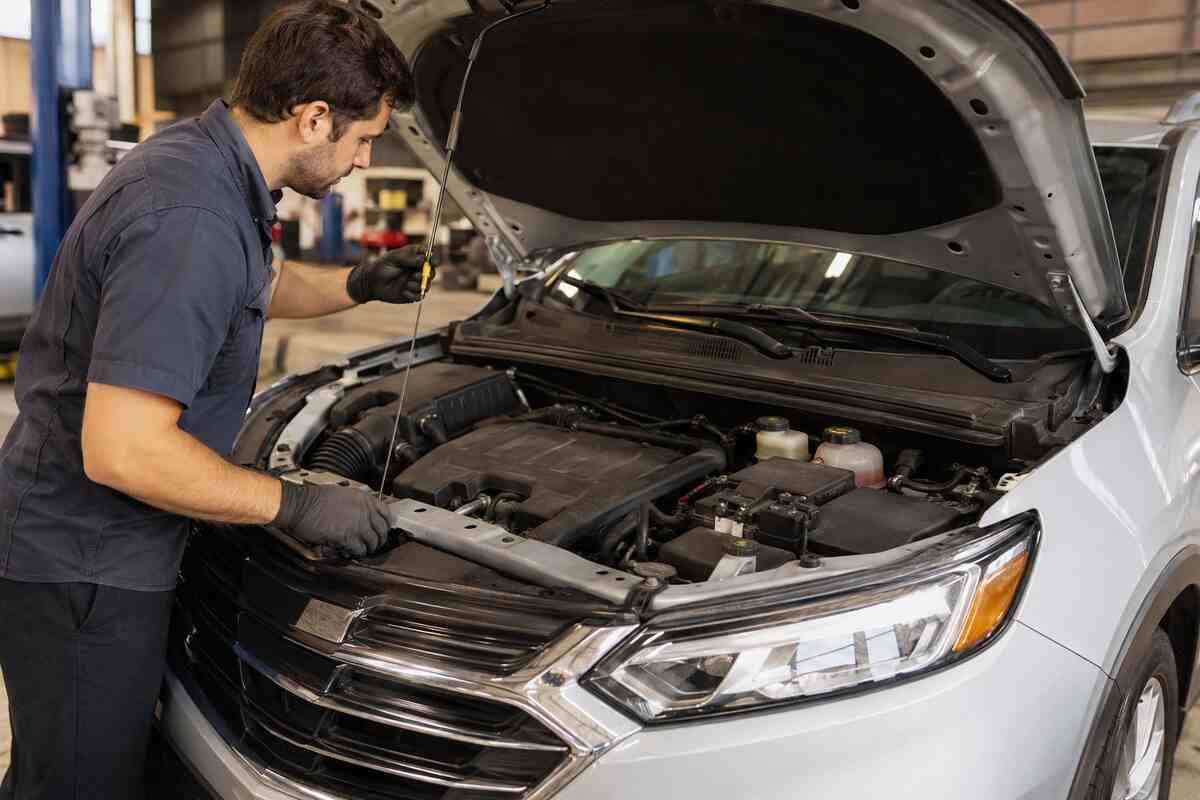
Check door, window, and sunroof seals for wear, and look for hidden leaks near the trunk or floor pans that could be keeping your cabin humid. Replace an old cabin air filter, and have your AC serviced if it feels weaker than usual, since low refrigerant reduces its ability to dehumidify.
Combine these fixes with the daily habits above and fogging usually stops being a recurring problem.
When Foggy Windows Signal a Bigger Car Problem
Occasional fog is normal, but excessive fogging without an obvious cause can point to something else.
Watch for a sweet smell along with the fog, which can mean a coolant leak from a failing heater core and needs immediate attention. Persistent damp carpets suggest a leak from a door seal, sunroof drain, or windshield gasket. Fog that won’t clear even with defrost running may point to a clogged cabin filter or a failing HVAC blend door.
If any of these show up, it’s worth having a mechanic check it out before it turns into a bigger repair.
FAQs
Why does my car fog up every morning?
Overnight temperature drops meet moisture trapped in your cabin from the day before, so condensation forms as soon as you start driving.
Should I use AC or heat to defog my windshield?
Use both together. AC removes moisture from the air while the heater keeps the cabin warm, clearing fog faster than heat alone.
Does cracking a window help with fogging?
Yes. It lets humid air escape and pulls in drier outside air, reducing the moisture causing condensation.
Why does my windshield fog up on the outside?
This happens in hot, humid weather when your AC keeps the glass cooler than the air outside, similar to condensation on a cold drink.
Are anti-fog sprays worth using?
Most work well, creating a thin film that prevents droplets from forming a haze, and one application typically lasts several weeks.
Can a dirty cabin air filter cause fogging?
Yes. A clogged filter restricts airflow through your defrost vents, making it harder to clear or prevent condensation.
Conclusion
Fog doesn’t have to mean a freezing drive every time the weather turns. Knowing how to stop car from fogging up really comes down to managing temperature and moisture, whether that’s switching off recirculate, cracking a window, or running AC and heat together instead of blasting the AC alone. Add in a few habits like cleaning your glass and keeping your cabin filter fresh, and foggy windows become rare rather than routine. If it keeps happening no matter what you try, get your seals and AC system checked, since a clear windshield and a comfortable cabin should never be a trade-off.