
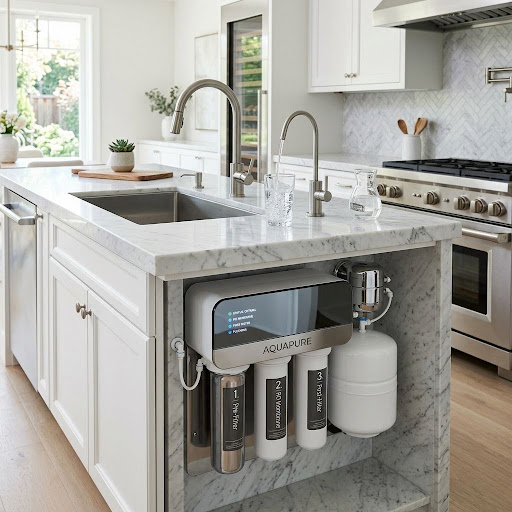
Every glass of water you pour from the tap carries more than just hydration. Depending on where you live, it may also carry chlorine, lead, dissolved solids, and a range of contaminants that aren’t always visible—or tasteable. For homeowners who care about what goes into their bodies, that’s a problem worth solving. Reverse osmosis filtration has become one of the most trusted solutions for households that want water they can actually feel good about drinking, cooking with, and serving to their families.
The demand for cleaner home water has grown significantly in recent years. More people are questioning what’s actually in their municipal water supply, and for good reason. The Environmental Working Group (EWG) has documented hundreds of contaminants found in tap water across the United States, many of which fall within “legal” limits that don’t necessarily reflect what’s safe for long-term consumption. That gap between “legal” and “pure” is exactly where a high-quality filtration system makes its mark.
What Does Reverse Osmosis Actually Do?
Reverse osmosis works by pushing water through a semipermeable membrane under pressure. This membrane has pores so small that contaminants—including dissolved salts, heavy metals, bacteria, and chemical compounds—are physically blocked and flushed away. What passes through is water in its cleanest, most refined form.
A typical reverse osmosis system includes multiple filtration stages:
- Pre-filters that remove sediment, chlorine, and larger particles
- The RO membrane that handles the heavy lifting, targeting microscopic contaminants
- Post-filters that polish the water before it reaches your glass
The result? Water that tastes noticeably different. Cleaner. Lighter. Free from that faint chemical aftertaste that many people have simply learned to ignore.
What Contaminants Does Reverse Osmosis Remove?
This is where reverse osmosis really earns its reputation. The filtration process is effective against a wide range of harmful substances, including:
- Lead and other heavy metals
- Nitrates and nitrites
- Chlorine and chloramines
- Fluoride
- Arsenic
- Dissolved solids (measured as TDS)
- Certain bacteria and parasites
For families with young children, pregnant women, or anyone with a compromised immune system, that list matters. Municipal water treatment does a solid job of making water safe in a broad sense, but it wasn’t designed to deliver the level of purity that a dedicated home filtration system can.
Why Homeowners in Raleigh Are Making the Switch
Raleigh’s water comes from Falls Lake and the Little River Reservoir—both surface water sources that are treated before reaching homes. While the city’s water meets federal safety standards, surface water supplies are naturally more susceptible to seasonal variation and runoff-related contaminants than groundwater sources. This means what’s in your water can shift depending on rainfall, agricultural activity nearby, and aging infrastructure along the distribution lines.
For homeowners who want consistent, reliable purity year-round—not just water that passes a seasonal report—an in-home reverse osmosis system offers something the city’s treatment process simply can’t: control at the point of use.
How Does a Point-of-Use System Differ From a Whole-Home Filter?
Point-of-use reverse osmosis systems are installed directly at a single tap, usually under the kitchen sink. They deliver purified water right where it’s needed most—drinking and cooking. Whole-home filtration systems treat all the water entering your house, which is great for reducing chlorine in showers and protecting appliances, but they don’t typically reach the same level of contaminant removal that a dedicated RO membrane provides.
For most households, the smartest approach combines both: a whole-home softener or carbon filter to handle hardness and chlorine, paired with a reverse osmosis system at the kitchen sink for drinking water. It’s a layered defense that covers every angle.
The Long-Term Value of Filtered Water at Home
People often weigh the cost of installing a filtration system against the ongoing expense of bottled water. The math isn’t even close. The average American family spends hundreds of dollars per year on bottled water, which is also less regulated than tap water and carries significant environmental waste.
A reverse osmosis system, once installed, delivers purified water for a fraction of the per-gallon cost of bottled alternatives. Maintenance is straightforward—filter cartridges typically need replacing every six to twelve months, and the membrane itself can last several years with proper care.
Beyond the savings, there’s a convenience factor that’s hard to overstate. No more hauling cases of water from the store. No more running out. Just clean, great-tasting water on demand, right from your kitchen sink.
How Raleigh Water Pros Can Transform Your Home’s Water Quality
Reverse osmosis filtration, when professionally installed and properly sized for your household’s needs, delivers a meaningful and measurable improvement in the quality of water your family uses every single day—from morning coffee to cooking dinner to filling a glass at midnight. Raleigh Water Pros specializes in bringing this level of clean water access directly into Raleigh homes. Their team handles everything from system selection to installation and ongoing maintenance, so homeowners never have to navigate the process alone.
Whether you’re dealing with hard water, chemical taste, or simply want the peace of mind that comes with knowing your water is genuinely clean, Raleigh Water Pros has the expertise and local knowledge to recommend the right solution for your specific situation. Clean water at home isn’t a luxury—it’s a standard every household deserves.
Frequently Asked Questions
How long does it take to install a reverse osmosis system?
Most under-sink reverse osmosis systems can be installed in a few hours by a professional. Raleigh Water Pros handles the full installation process, so you’re up and running quickly without any guesswork.
Does reverse osmosis remove beneficial minerals?
Yes, the RO membrane removes most dissolved minerals, including some beneficial ones like calcium and magnesium. Many modern systems include a remineralization stage that adds these back in, restoring a balanced taste and pH.
How often do reverse osmosis filters need to be replaced?
Pre- and post-filters typically need replacing every 6–12 months. The RO membrane itself generally lasts 2–5 years, depending on water quality and usage volume.
Is reverse osmosis water safe for children and infants?
Yes. Reverse osmosis water is generally considered safe and is actually preferred in households with infants because it removes lead, nitrates, and other contaminants that pose higher risks to young children.
Can I use reverse osmosis water in my coffee maker and appliances?
Absolutely. Using filtered water in coffee makers, kettles, and ice makers reduces mineral buildup, extends the lifespan of appliances, and improves the taste of anything brewed with it.