
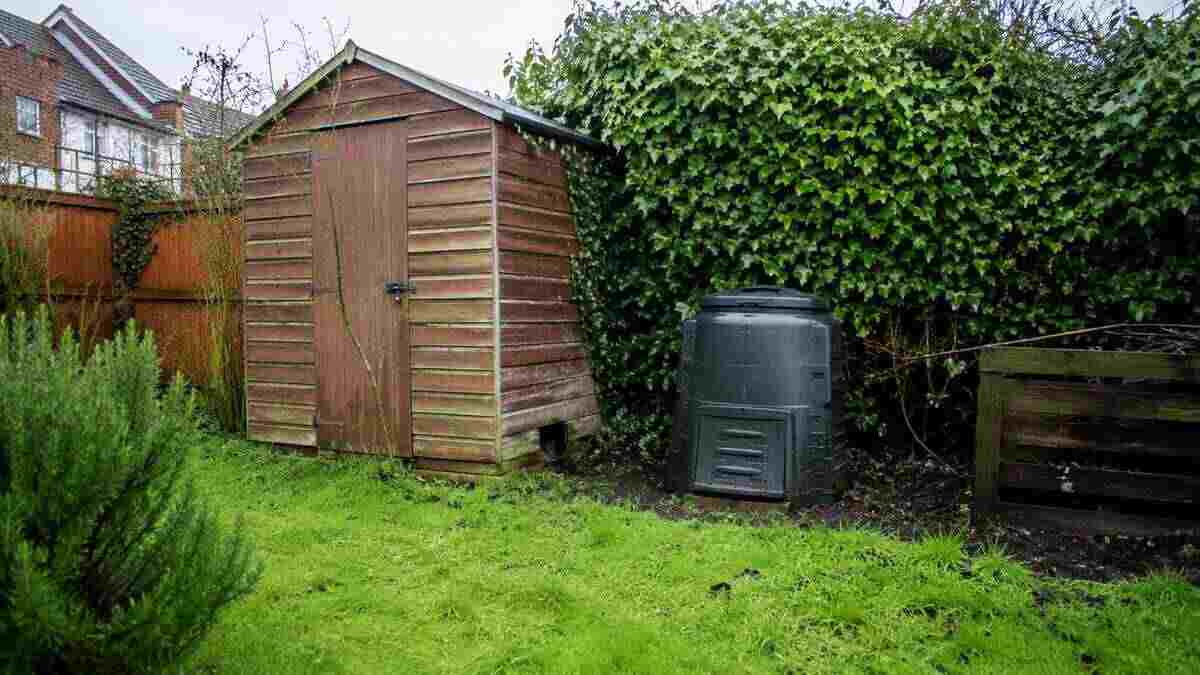
If you’ve spotted droppings near your shed, heard scratching under the decking, or noticed gnaw marks on the compost bin, you’re probably dealing with more than a one-off visitor. Rats don’t just pass through a garden. Once they find a spot they like, they settle in, breed, and spread quickly.
Knowing the common UK garden rat nesting spots is the first step to solving the problem, because you can’t remove what you can’t find. Many homeowners set traps or bait in the wrong areas simply because they never located the actual nest.
This guide covers where rats hide in British gardens, why they choose these spots, how to spot early signs, and what to do once you’ve confirmed a nesting problem.
Why Rats Are Attracted to UK Gardens
Rats don’t end up in a garden by chance. Every garden that attracts them offers at least one of three things: food, shelter, or an easy route in from a neighbouring property.
The UK’s mild, wet climate makes gardens especially appealing. Overgrown vegetation stays damp and dense for much of the year, giving rats cover from predators and weather. Add bird feeders, compost heaps, and loosely secured bins, and you have a reliable food source close to a safe hiding place.
Rats are also habitual. Once one finds a garden that meets its needs, it marks the route with scent trails, which can draw in other rats over time. This is why a small rat problem rarely stays small for long.
Common UK Garden Rat Nesting Spots to Check First
Before treating any part of the garden, it helps to know where rats are most likely to be hiding. These are the spots pest control professionals check first on a UK property:
- Underneath sheds, garages, and outbuildings
- Inside or beneath compost heaps
- Under decking and raised patios
- Within overgrown hedges or dense shrubbery
- Along fence lines with gaps or burrow access
- Inside unused plant pots, pipes, or storage boxes
Rats rarely nest out in the open. They look for enclosed, dark, undisturbed spaces close to food, which is exactly what these areas provide.
Sheds, Garages and Outbuildings
Sheds are one of the most common nesting spots in UK gardens. They’re dry, dark, rarely disturbed, and often sit directly on soil rather than a solid base, giving rats an easy route to burrow underneath.
Check the base of your shed or garage for small gaps where timber meets ground, gnaw marks around the door frame, or a hollow sound when you tap the flooring. Garden storage boxes and greenhouses create similar conditions, especially if they hold bird seed, pet food, or fertiliser.
Compost Heaps and Bin Areas
Compost heaps offer warmth, food, and shelter in one place. The heat from decomposing material can even keep a nest warm through colder months, which is why compost bins are one of the first areas pest controllers inspect.
Bin storage areas are just as attractive, particularly if food waste bins aren’t sealed properly or sit directly against a fence or wall. Rats often burrow underneath bin stores, hidden from view.
To reduce the risk, avoid composting cooked food, meat, or dairy, and turn the pile regularly. Regular disturbance alone can discourage nesting.
Decking, Patios and Garden Voids
Decking creates a dark, dry void that’s almost impossible to inspect without lifting boards, which is why nests underneath often go unnoticed for months. Raised patios and paved areas with loose or cracked slabs offer similar hiding spots, with burrow entrances often disguised by nearby plants or furniture.
Small mounds of soil or worn burrow entrances along the edge of decking are a strong sign of an active nest underneath.
Overgrown Hedges, Ivy and Dense Vegetation
Thick hedges, ivy-covered walls, and overgrown borders give rats cover from predators and a shaded, humid environment above ground. Ivy is a common nesting site because its dense, layered structure is hard to see through.
Gardens with mature, untrimmed hedges tend to see more rat activity simply because the vegetation goes undisturbed for long stretches. Regular trimming and clearing fallen leaves or cuttings reduces how attractive this area is to rats.
How to Identify Signs of a Rat Nest
Knowing where rats nest is only half the picture. You also need to recognise the signs of active use:
- Droppings – dark, pellet-shaped, usually clustered near the nest entrance
- Burrow holes – smooth-edged tunnels roughly 6–9cm wide, often near structures
- Gnaw marks – on wood, plastic containers, or cables
- Grease marks – dark smudges along frequently used routes, caused by fur
- Scratching sounds – often in the early evening or at night
Seeing more than one of these signs in the same area usually points to an active nesting site rather than a single passing rat.
Seasonal Rat Behaviour in UK Gardens
Rat activity in UK gardens follows a fairly predictable pattern through the year.
Autumn is typically the peak season, as falling temperatures push rats toward warmer, more sheltered nesting spots, often closer to homes and outbuildings. Fallen fruit and seeds also become more abundant at this time.
Spring brings a second rise in activity, driven by breeding. A single female rat can produce several litters a year, with each litter containing up to a dozen pups, so a nest that appears in early spring can grow into a much larger problem by summer if left untreated.
Understanding this pattern makes it easier to time garden inspections and prevention work, rather than only reacting once a problem is already established.
Health Risks and Safety Precautions
Rats carry genuine health risks, which is why nests should be handled carefully rather than disturbed casually.
The main risk is Weil’s disease (leptospirosis), spread through rat urine and able to enter the body through cuts or mucous membranes. Rats can also carry salmonella and other bacteria that contaminate soil and surfaces near a nest.
If you suspect an active nest:
- Avoid direct contact with droppings, urine, or nesting material
- Wear gloves and wash hands thoroughly after garden work near a suspected nest
- Keep children and pets away from the area until it’s dealt with
- Avoid disturbing a nest without a plan, since scattering rats can push the problem onto a neighbouring property
This is why professional pest controllers recommend a measured approach rather than disturbing a suspected nest directly.
How to Get Rid of Rat Nesting Spots Safely
Once you’ve located a nest, the focus shifts from identification to removal. Dealing with UK garden rat nesting spots safely usually involves:
- Remove food sources – secure bins, clear fallen fruit, and stop leaving pet food outside
- Clear the area – trim vegetation and remove clutter around the suspected nest
- Use appropriate control methods – snap traps or professional-grade bait stations placed along known routes
- Block burrow entrances – once you’re confident the nest is inactive, fill entrances with rubble or wire mesh
- Monitor for renewed activity – check the area over the following weeks for fresh droppings or burrowing
DIY methods can work for smaller, early-stage problems. Nests established for a while, particularly under decking or within compost heaps, are often better handled by a professional, since incomplete removal tends to mean the nest simply relocates a few metres away.
Preventing Rats From Returning Long-Term
Removing an existing nest only helps if the garden also becomes less appealing going forward. Long-term prevention usually comes down to a few consistent habits:
- Store bird seed, pet food, and compost in sealed, rodent-proof containers
- Keep hedges, ivy, and border plants trimmed back regularly
- Check the base of sheds and outbuildings for gaps at least twice a year
- Avoid letting fallen fruit or garden waste build up
- Fit mesh or gravel boards around decking to block burrowing access
These steps won’t guarantee a rat-free garden forever, but together they remove most of the conditions rats rely on to settle in undisturbed.
When to Call a Professional Pest Control Service
Some situations are better left to a licensed pest controller, particularly if:
- The nest is under decking, a shed base, or somewhere you can’t safely access
- DIY methods haven’t reduced activity after a few weeks
- You’re seeing signs of multiple nests or a larger colony
- The property is close to drains, sewers, or shared boundaries with neighbours
A professional can also advise on legal considerations around rodenticide use near watercourses or protected wildlife areas, which isn’t always clear from general guidance online.
FAQs
Where do rats nest in UK gardens most often?
Most commonly under sheds, within compost heaps, beneath decking, and inside overgrown hedges, anywhere dark, dry, and close to food.
How do I know if I have a rat nest in my garden?
Look for droppings, burrow holes around 6–9cm wide, gnaw marks, and grease smudges along fences or walls. Scratching sounds in the evening are also common.
Can rats nest in a garden without entering the house?
Yes. Rats can live entirely outdoors if the garden offers enough food and shelter, though they’ll often explore nearby structures, including sheds and garages.
What time of year are rats most active in gardens?
Activity usually peaks in autumn as rats seek shelter from colder weather, with a smaller rise again in spring during breeding season.
Should I remove a rat nest myself?
Small, early-stage nests can sometimes be handled with traps and prevention steps. Established nests, especially under decking or in compost heaps, are usually safer and more effective to remove with professional help.
Conclusion
Rats settle in specific spots that offer food, shelter, and safety from disturbance. Once you know where to look, spotting UK garden rat nesting spots becomes far easier, whether that’s under a shed, inside a compost heap, or beneath decking. Catching a nest early means faster removal, lower risk to your household, and a garden that’s less likely to attract rats again once prevention steps are in place.