
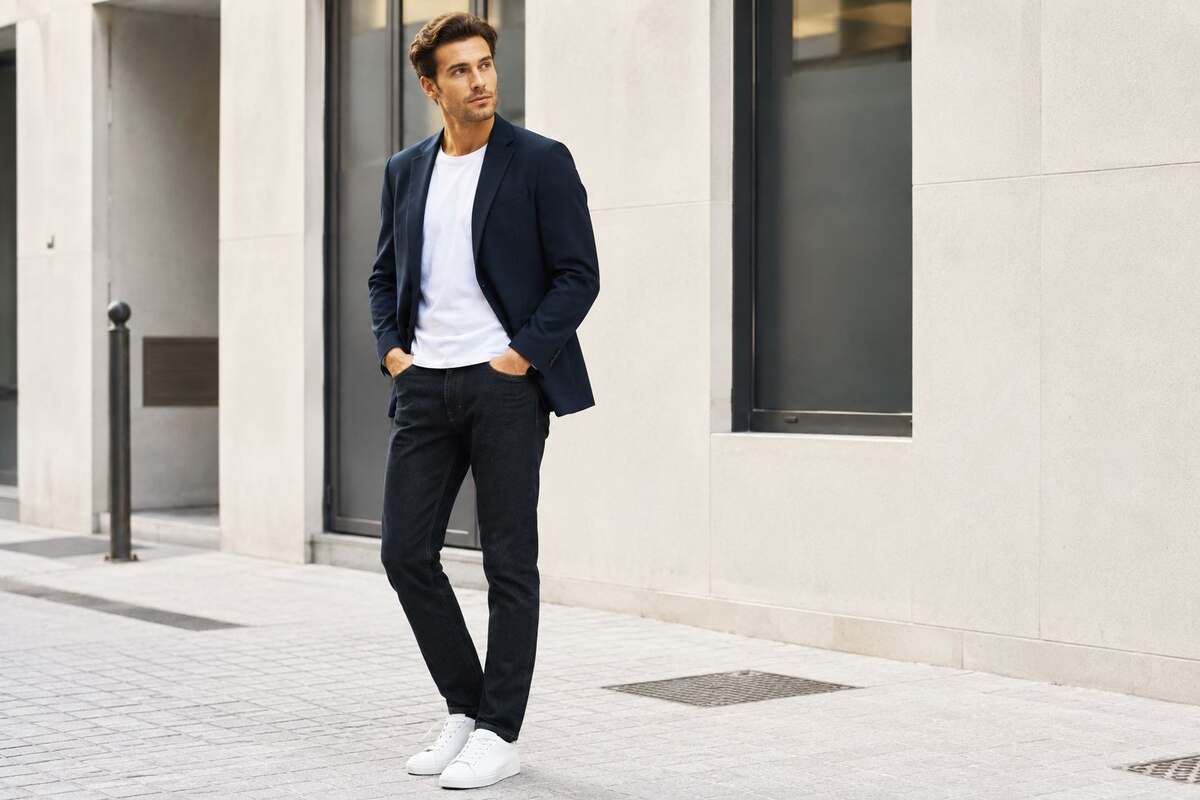
If you’ve browsed menswear lately, you’ve probably noticed a jacket that looks familiar but feels different. Softer shoulders, a shorter cut, fabric that moves instead of holding a rigid shape. That jacket is called a blazertje, a term borrowed from Dutch, and it’s becoming a real part of how men dress rather than just a passing style word.
This guide explains what it is, how it differs from a traditional blazer, how to pick the right fit and fabric, and how to style it well. By the end, you’ll know whether it fits your wardrobe and how to wear one if it does.
What Is a Blazertje?
The word comes from Dutch, where adding “-tje” to a word makes it smaller or softer. It literally means “little blazer,” though the size isn’t really the point. The attitude is.
It’s a relaxed version of the classic blazer: less structure, less padding, and more room to move. A traditional blazer is built to hold a sharp line even standing still. This one is built to move with you through an actual day, from commuting to sitting at a desk to heading somewhere more casual in the evening.
Men are picking it up because modern dress codes rarely demand a full suit jacket anymore, but most still want to look put together. It does that without feeling stiff or overdressed, which fits well with hybrid work schedules and casual offices.
Blazertje vs Traditional Blazer: Key Differences
At a glance, the two can look similar. Up close, the differences are easy to spot.
Structure and shoulders A traditional blazer has padded shoulders and a canvassed interior that holds its shape on a hanger. This relaxed version skips most of that padding, so the shoulder follows your natural build instead of squaring it off.
Fabric weight Classic blazers lean toward wool and heavier blends built to hold structure. The lighter alternative favors materials like cotton, linen blends, jersey knits, or lightweight wool that drape instead of standing stiff.
Fit and length Traditional blazers are cut to be worn over a shirt and tie, often longer to match suit trousers. This casual jacket runs shorter and closer to the body, meant to be worn on its own rather than as half of a matching suit.
Occasion A blazer signals formality: boardrooms, interviews, weddings. The relaxed version sits in the middle ground, sharp enough for the office and relaxed enough for dinner or a weekend outing.
Neither replaces the other. They just serve different moments.
Why the Relaxed Blazer Fits Today’s Menswear
Menswear has been drifting away from rigid formality for years, and this style of jacket is one of the clearest signs of that shift. Suits used to be a daily requirement in most professional settings. Now, many workplaces expect smart casual: polished but not stiff.
That’s the space it occupies. It gives you the visual shorthand of effort without the discomfort of full tailoring. You can wear it over a t-shirt for a coffee run or layer it over a button-down for a client meeting, and it works in both settings.
It also fits the broader move toward capsule wardrobes, where fewer pieces do more work. A well-chosen relaxed blazer covers work and weekend, which is why it’s earning a permanent spot in a lot of closets rather than staying a passing trend.
Best Fabrics for a Lightweight, Casual Blazer
The fabric is where this jacket earns its comfort.
- Cotton: Breathable and easy to dress down. Great for warmer months.
- Linen or linen blends: Lightweight and relaxed by nature, ideal for summer. It wrinkles easily, but that’s part of the look, not a flaw.
- Jersey knit: Soft, stretchy, and almost sweatshirt-like in comfort. A strong pick if you want something effortless.
- Lightweight wool or wool blends: A slightly more polished option that still avoids the stiffness of a formal suit jacket. Works well across seasons.
- Unstructured cotton-poly blends: Budget-friendly and easy to maintain, common in mid-range brands.
If you’re only buying one, a lightweight cotton or wool blend in a neutral color like navy, charcoal, or stone gives you the most versatility.
Finding the Right Fit: Cut, Length, and Shoulders
Fit is where most men either nail the look or miss it, so it deserves real attention.
Shoulders should end right at your natural shoulder point. Too much padding or overhang defeats the purpose of a relaxed jacket. If the seam sits noticeably past your arm, size down or try a different cut.
Length typically hits at or slightly below the hip, shorter than a classic blazer. That shorter length is what makes it easier to pair with jeans or chinos without looking unbalanced.
Sleeves should land at your wrist bone, showing a small amount of shirt cuff if you’re layering one underneath.
Chest and waist should allow you to move freely and button it without pulling. This style isn’t meant to fit tight through the torso; a relaxed drape is the whole point.
If you’re between sizes, size down rather than up. A little snugness fits the casual look, while excess fabric just reads as sloppy.
How to Style a Blazertje for Work and Casual Days
It takes little effort to make this jacket work across different parts of your day.
Office or smart-casual settings: Pair it with a button-down shirt, chinos, and leather sneakers or loafers. Skip the tie. A crewneck sweater underneath works well in cooler months.
Casual, everyday wear: Wear it over a plain t-shirt with jeans and white sneakers. This combination is one of the fastest ways to elevate a basic outfit.
Evenings out: Swap the sneakers for clean leather shoes or boots and add a simple watch. The jacket does most of the work on its own.
Across all three, keep everything else simple. It’s the statement piece, so let it lead.
Outfit Ideas: Jeans, Chinos, and Smart-Casual Looks
A few reliable combinations to build from:
- Navy blazer, white t-shirt, dark jeans, white sneakers: clean and versatile for almost any casual setting.
- Stone or beige blazer, light blue button-down, tan chinos, loafers: smart-casual office look, no tie required.
- Charcoal blazer, black crewneck, black jeans, boots: evening-ready and great for dinner or drinks.
- Olive or earth-tone blazer, striped tee, khaki chinos, canvas sneakers: relaxed and weekend-friendly.
The pattern in each: one neutral jacket color, one simple layer underneath, and footwear that matches the formality you’re going for. Once you know that formula, you can mix and match without overthinking it.
Common Mistakes to Avoid
Even a forgiving piece like this can go wrong in a few predictable ways.
- Sizing it too big. The relaxed silhouette is intentional, but oversized is a different look and not a flattering one. Stick close to your actual measurements.
- Treating it like a suit jacket. Pairing it with formal trousers and dress shoes can look like half a mismatched suit. Keep the rest of the outfit casual to match its energy.
- Ignoring fabric weight for the season. A heavy wool version in summer or a thin linen one in winter undercuts the comfort this jacket is meant to offer.
- Overdressing everything else. The jacket is meant to elevate simple pieces, not compete with other statement items.
- Skipping the shoulder fit check. This single detail makes or breaks the look, and it’s visible from across a room even to people who don’t know anything about tailoring.
Where to Buy a Quality Men’s Casual Blazer
You don’t need suit-level money to get a good one, but a few things are worth checking first:
- Fabric composition: Look for natural fibers or quality blends rather than fully synthetic materials, which tend to look cheap and trap heat.
- Stitching and lining: A partially lined or unlined jacket is normal for this style and helps keep it breathable. Just check that the seams are clean and even.
- Fit before you commit: If buying online, compare the brand’s size chart to a blazer you already own, and check the return policy since fit varies between brands.
- Mid-range, menswear-focused retailers tend to offer the best balance of quality and price. Ultra-budget options often use stiff, cheap fabric that undermines the relaxed look entirely.
One well-made blazertje in a neutral color will outlast and outperform three cheap ones, and it’s worth spending a bit more to get it right.
FAQs
Is a blazertje the same as a sport coat?
Not quite. A sport coat is usually more structured and closer in formality to a traditional blazer, while this style leans more casual with softer construction and a shorter length.
Can I wear one with jeans?
Yes, and it’s one of the best pairings. Dark, well-fitted jeans work especially well with this jacket for a smart-casual look.
What’s the best fabric for year-round wear?
A lightweight wool or wool-blend version is the most versatile choice, warm enough for cooler months without feeling heavy in summer.
Is a blazertje appropriate for the office?
In most smart-casual or business-casual workplaces, yes. It’s generally not a substitute for a formal suit jacket in strictly corporate settings.
How should it fit compared to a regular blazer?
It should sit closer to the body, hit slightly shorter at the hip, and have less padding through the shoulders than a traditional blazer.
Final Thoughts
A blazertje is more than a trend word for a jacket you already own. It’s a genuinely different approach to tailoring, built for how men actually dress now: softer shoulders, lighter fabric, and a shorter, more relaxed cut that moves easily between work and weekend.
Get the fit and fabric right, keep the rest of your outfit simple, and it earns its place as a real wardrobe staple rather than a passing style moment.