
- Introduction: The Power of Branded Merch
- Understanding Your Brand and Audience
- Defining Your Merch Line’s Purpose and Goals
- Designing Compelling Branded Merchandise
- Sourcing and Production: Quality and Ethics
- Pricing Strategy and Profitability
- Marketing and Launching Your Merch Line
- Distribution and Fulfillment
- Measuring Success and Iteration
- Beyond the Launch: Sustaining Your Merch Line
1. Introduction: The Power of Branded Merch
In today’s competitive marketplace, businesses are constantly seeking innovative ways to connect with their audience, build loyalty, and extend their brand’s reach. One incredibly effective, yet often underestimated, strategy is the creation of a branded merchandise line. More than just promotional giveaways, a well-executed merch line transforms customers into brand advocates, turning everyday items into powerful marketing tools. It fosters a sense of community, celebrates brand identity, and opens up new revenue streams. From stylish apparel to unique accessories, branded merchandise offers a tangible connection to your brand’s ethos and values. This guide will walk you through the essential steps to launch a successful branded merch line for your business, ensuring quality, impact, and profitability, particularly highlighting how a supplier like Totally Branded can streamline this intricate process.
2. Understanding Your Brand and Audience
Before you even think about designs or products, a deep dive into your brand’s core identity and target audience is paramount. Your merch should be an authentic extension of who you are and resonate deeply with the people you serve.
2.1. Defining Your Brand’s Essence
What are your brand’s core values? What is its personality? Is it playful, sophisticated, eco-conscious, or edgy? The answers to these questions will inform every aspect of your merch line, from color palettes to product choices. A strong brand identity ensures that your merchandise feels cohesive and genuine, not just a collection of random items with your logo slapped on them. Consider your brand’s story and how your merchandise can help tell it.
2.2. Identifying Your Target Audience
Who are you trying to reach with your merch? Are they existing loyal customers, potential new clients, or employees? Understanding their demographics, psychographics, interests, and spending habits is crucial. For instance, if your audience values sustainability, then eco-friendly products made from recycled materials would be a more authentic choice than mass-produced plastic items. If your audience is primarily young and fashion-forward, trend-driven apparel would likely perform better than traditional corporate gifts. Conduct surveys, analyze social media data, and utilize customer feedback to gain these insights.
3. Defining Your Merch Line’s Purpose and Goals
Every successful venture has clear objectives. Your branded merch line should be no different. What do you hope to achieve?
3.1. Setting Clear Objectives
Your goals might include:
- Increasing brand awareness and visibility.
- Generating a new revenue stream.
- Fostering customer loyalty and community.
- Enhancing employee morale and team spirit.
- Supporting a specific marketing campaign or event.
- Creating unique, high-quality products that reflect your brand’s premium positioning.
Clearly defined goals will guide your product selection, design choices, and marketing efforts. For example, if your primary goal is revenue generation, you’ll focus on higher-margin, desirable products. If it’s brand awareness, widespread distribution of more affordable, eye-catching items might be the priority.
3.2. Budget Allocation
Establishing a realistic budget is a critical step. This includes not only the cost of goods but also design, production, shipping, marketing, and warehousing. A detailed budget prevents unexpected expenses and helps you make informed decisions about product quantities and quality levels. Consider both upfront investment and potential return on investment.
4. Designing Compelling Branded Merchandise
The design aspect is where your brand really comes to life on physical products. This goes beyond simply placing a logo.
4.1. Product Selection and Curation
Choose products that are relevant to your brand and genuinely useful or desirable to your audience. Think about what they would genuinely want to wear, use, or display. Common categories include:
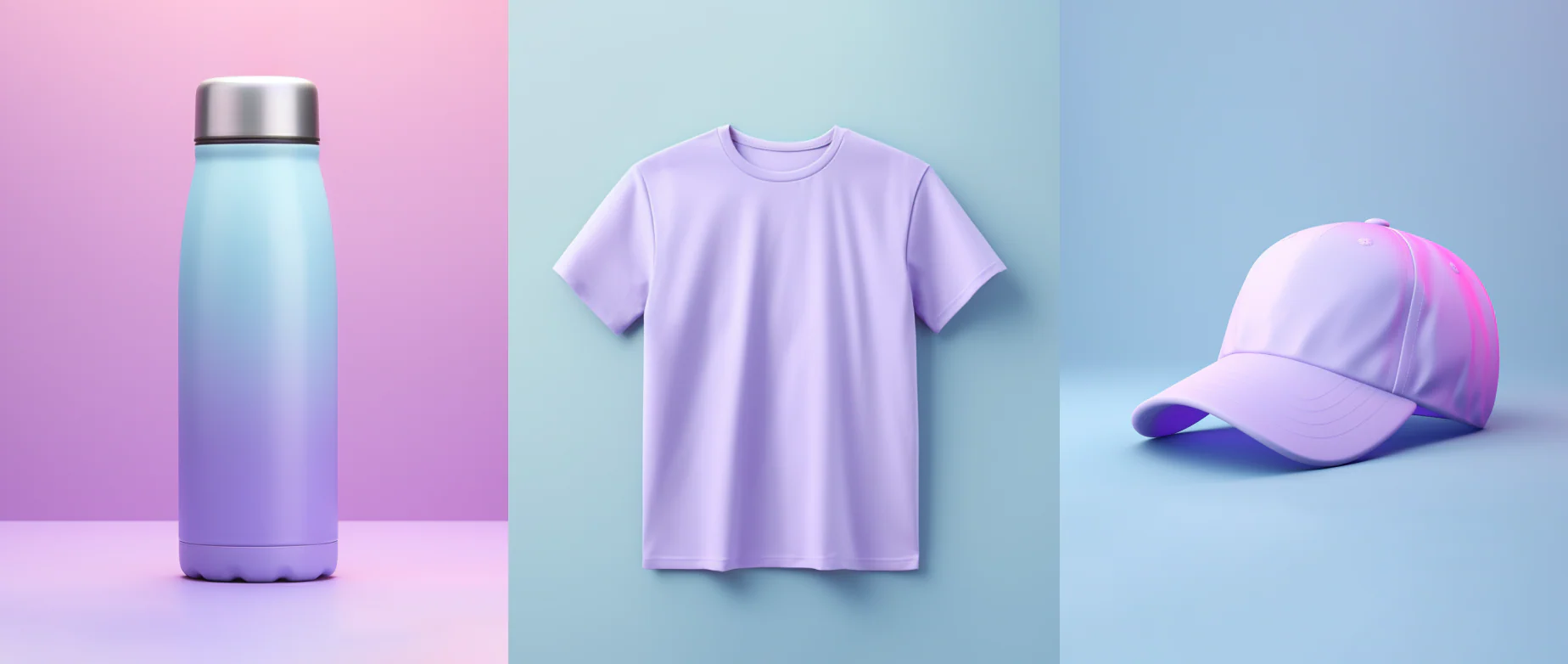
- Apparel (t-shirts, hoodies, hats)
- Accessories (tote bags, phone cases, keychains)
- Office supplies (notebooks, pens, water bottles)
- Home goods (mugs, candles, blankets)
- Tech gadgets (power banks, USB drives)
The key is quality and relevance. A low-quality item, even with your logo, can reflect poorly on your brand. Totally Branded offers an extensive catalog of high-quality customizable products, making it easier to find items that align with your brand’s image and your audience’s preferences.
4.2. Creative Design and Branding
This is where your brand’s aesthetic shines. Consider:
- Logo Placement and Size: How prominently should your logo appear? Sometimes subtle branding is more effective and stylish.
- Color Palette: Stick to your brand’s established colors, or introduce complementary shades that align with your overall aesthetic.
- Typography: Use fonts that are consistent with your brand’s visual identity.
- Original Artwork/Slogans: Beyond just your logo, consider incorporating unique designs, illustrations, or catchy slogans that embody your brand’s message. This adds personality and makes the merch more appealing.
Work with professional designers if internal resources are limited. A well-designed piece of merch is a walking advertisement that people actually want to engage with.
5. Sourcing and Production: Quality and Ethics
The integrity of your merch line hinges on the quality of its production. This stage requires careful consideration of materials, manufacturing processes, and ethical standards.
5.1. Vetting Suppliers and Manufacturers
Partnering with reliable suppliers is non-negotiable. Look for manufacturers with:
- A proven track record of quality and timely delivery.
- Transparent sourcing practices.
- Certifications for ethical labor and environmental standards (if applicable to your brand’s values).
- Strong communication and customer service.
Requesting samples before committing to a large order is crucial to assess quality, feel, and the accuracy of branding.
5.2. Material Selection and Sustainability
The materials you choose directly impact the product’s quality, durability, and perceived value. For brands with an eco-conscious audience, prioritizing sustainable materials like organic cotton, recycled plastics, or bamboo can significantly enhance brand appeal and reinforce your values. Discuss these options with your chosen manufacturer.
5.3. Quality Control
Implement a robust quality control process at every stage of production. This includes inspecting raw materials, monitoring manufacturing, and a final inspection of finished goods. Preventing defective items from reaching your customers is vital for maintaining brand reputation.
6. Pricing Strategy and Profitability
Pricing your merchandise effectively involves balancing perceived value, production costs, and your desired profit margins.
6.1. Cost Analysis
Calculate all costs associated with each item:
- Per-unit production cost.
- Shipping and import duties.
- Design fees.
- Packaging.
- Marketing and distribution overhead.
Understanding your break-even point is essential for sustainable operation.
6.2. Value-Based Pricing
Don’t just price based on cost. Consider the perceived value of your items to your target audience. High-quality, unique, or limited-edition items can often command a higher price. Research competitor pricing for similar products to ensure your pricing is competitive yet profitable.
6.3. Tiered Pricing and Bundles
Consider offering tiered pricing (e.g., bulk discounts for corporate clients) or creating product bundles to increase average order value. For instance, a t-shirt and hat combo might be more appealing than buying each item separately.
7. Marketing and Launching Your Merch Line
A fantastic merch line won’t sell itself. A strategic launch and ongoing marketing efforts are essential to generate excitement and drive sales.
7.1. Building Anticipation
Tease your upcoming merch on social media, through email newsletters, and on your website. Use high-quality photos and videos to showcase the products. Create a waiting list for early access or exclusive drops.
7.2. Launch Campaign
Plan a dedicated launch campaign. This could involve:
- Social Media Blitz: Highlighting individual products, behind-the-scenes content, and user-generated content.
- Email Marketing: Announcing the launch to your subscriber list with direct links to purchase.
- Influencer Collaborations: Partnering with relevant influencers to showcase your merch to their audience.
- Website Integration: Create a dedicated and easy-to-navigate section on your website for your merchandise.
7.3. Leveraging Existing Channels
Promote your merch through all your existing marketing channels: your website, social media profiles, email signatures, in-store displays (if applicable), and even during events or webinars.
8. Distribution and Fulfillment
Getting your merchandise into the hands of your customers efficiently and reliably is crucial for customer satisfaction.
8.1. E-commerce Platform Setup
If selling directly, set up an easy-to-use e-commerce store. Platforms like Shopify, WooCommerce, or Squarespace offer robust solutions. Ensure your store is mobile-friendly, secure, and provides a seamless checkout experience.
8.2. Shipping and Logistics
Decide on your shipping strategy. Will you offer free shipping, flat-rate shipping, or calculated rates? Clearly communicate shipping times and costs to customers. For businesses without the infrastructure for in-house fulfillment, partnering with a third-party logistics (3PL) provider can handle warehousing, packing, and shipping, saving you time and resources. Totally Branded can also assist in navigating these logistical challenges, ensuring your products reach your customers efficiently.
8.3. Packaging and Unboxing Experience
Don’t underestimate the power of thoughtful packaging. Branded packaging, tissue paper, or a personalized thank-you note can elevate the unboxing experience, making customers feel valued and encouraging repeat purchases and social media sharing.
9. Measuring Success and Iteration
Launching your merch line is not a one-time event. Continuous monitoring and adaptation are key to long-term success.
9.1. Key Performance Indicators (KPIs)
Track relevant metrics to assess your merch line’s performance:
- Sales revenue and profit margins.
- Website traffic to your merch store.
- Conversion rates.
- Customer feedback and reviews.
- Social media engagement related to your merch.
- Inventory turnover.
9.2. Gathering Feedback
Actively solicit feedback from customers through surveys, social media polls, and direct interactions. Understand what products they love, what they’d like to see, and any areas for improvement. This feedback is invaluable for future product development.
9.3. Adapting and Expanding
Use your data and feedback to make informed decisions. Discontinue underperforming items, introduce new designs or products based on demand, and adjust your pricing or marketing strategies as needed. A dynamic approach ensures your merch line remains fresh and relevant.
10. Beyond the Launch: Sustaining Your Merch Line
A truly successful branded merch line isn’t just about the initial launch; it’s about building a sustainable, evolving extension of your brand. Consider seasonal collections, collaborations with artists or other brands, and limited-edition drops to maintain interest and excitement. Integrate your merch into broader marketing campaigns and leverage it to celebrate milestones or special events. By continuously innovating and staying attuned to your audience’s desires, your branded merchandise can become a powerful, enduring asset that deepens customer relationships and propels your business forward.