
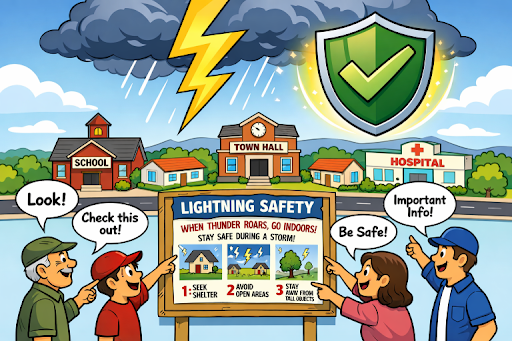
Lightning is a powerful and unpredictable force of nature that causes loss of life, severe injuries, and significant property damage around the world each year. For communities in vulnerable regions, taking meaningful steps toward risk assessment and lightning mitigation is essential for safeguarding people and infrastructure. By embracing technology, such as lightning protection software, alongside educational and collaborative efforts, communities can better prepare for and manage the risks associated with lightning events.
The destructive impact of lightning extends beyond immediate physical harm and can cause widespread economic losses, business interruptions, and even the ignition of wildfires. Raising awareness about the hazards of lightning, understanding necessary precautions, and having systems in place to reduce risk are vital components of a comprehensive community safety strategy.
Understanding Lightning Risks
Lightning occurs when an electrical discharge travels from thunderclouds to the ground or between clouds. This process carries immense energy, reaching temperatures hotter than the surface of the sun and generating sound waves that we hear as thunder. The unpredictability of lightning, combined with its destructive capacity, makes it an ongoing threat to individuals, homes, and community infrastructure. According to the National Weather Service, the United States alone reports dozens of lightning-related fatalities annually, with hundreds more injured and an incalculable toll inflicted on property and the environment.
Impact of Lightning on Communities
Community-wide consequences of lightning strikes are profound, encompassing fatalities, severe injuries, fires, and utility outages. The financial burden includes repair costs, insurance claims, and long-term economic losses resulting from business and operational interruptions. In regions such as Eastern Idaho, nearly half of all wildfires from 2000 to 2020 were ignited by lightning, highlighting the intersection of lightning with broader environmental risks. Such statistics underscore why understanding and proactively addressing lightning risk is crucial for community resilience.
Lightning Protection Systems
Installing lightning protection systems is one of the most effective ways to mitigate damage from strikes. These systems consist of lightning rods, conductors, and grounding systems engineered to intercept a lightning strike and safely direct its energy into the ground. When properly designed and maintained, lightning protection systems can prevent fires, reduce structural damage, and protect critical electronics inside buildings. Adoption of this physical infrastructure, often enhanced by modern risk assessment technology, is a proactive way to address this frequently underestimated hazard.
Public Education and Awareness
Widespread public knowledge is a vital pillar of lightning safety. National, regional, and local campaigns have achieved significant reductions in lightning-related incidents by informing the public about safety practices. National Lightning Safety Awareness Week is an example of effective public outreach focused on prevention and the dissemination of safety information. Notably, engaging multimedia campaigns have brought personal accounts and vivid reminders of lightning’s dangers to wide audiences.
Collaborative Efforts in Lightning Safety
Bringing safety to scale requires teamwork among professionals from various disciplines. Organizations such as the Lightning Protection Institute (LPI) collaborate with architects, engineers, first responders, and community leaders to embed lightning risk reduction into the fabric of urban planning and emergency management. By integrating updated building codes and endorsing best construction practices, these partnerships ensure that lightning protection remains an ongoing priority in community development and renovation projects.
Future Directions in Lightning Risk Mitigation
The future of lightning risk management lies in digital innovation and increased collaboration between the public and private sectors. Advances like smart sensors, predictive modeling, and data-driven urban design offer unprecedented opportunities for early warning, targeted system upgrades, and adaptive safety strategies. Incorporating lightning resilience into smart city infrastructure and adopting scalable technological tools will drive progress and help communities remain prepared for evolving hazards. Research continues to highlight the promise of IoT-based monitoring and software-driven system optimization for city and building managers.
For More Blogs Visit Laser Magazine.
Final Thoughts
Building safer communities in the face of lightning risk calls for a multifaceted approach. By expanding awareness, leveraging technology and lightning protection software, implementing tested protection systems, and fostering cross-sector collaboration, it is possible to significantly reduce lightning-related harm. As climate patterns evolve and urban environments grow, prioritizing lightning safety is more important than ever for the well-being and resilience of communities worldwide.