
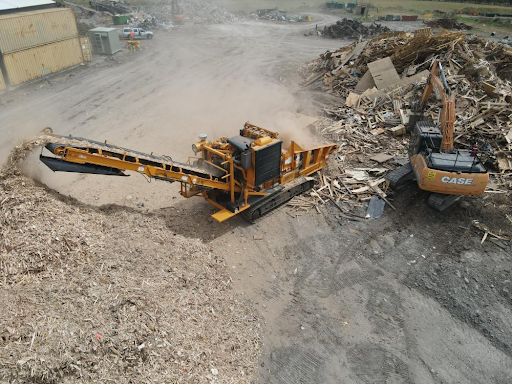
When your tub grinder or horizontal grinder runs every day processing wood waste, tree branches, stumps, and biomass materials, wear is unavoidable. The constant impact and abrasion during grinding can gradually reduce machine performance, increase maintenance costs, and lead to unexpected downtime. Many operators focus on machine capacity but overlook the importance of choosing the right wear components. The right parts not only help maintain stable grinding efficiency but also extend the service life of your equipment. Choosing reliable tub grinder parts is an important step in keeping your grinding operation productive and reducing unnecessary maintenance.
Understand the Role of Wear Parts in Grinder Performance
Wear parts play a direct role in how efficiently your tub grinder or horizontal grinder operates. These components are exposed to continuous impact and friction, so their condition can quickly affect grinding performance. Common wear parts include grinder tips, hammers, screens, anvils, and wear plates. Each component has a specific function, from cutting and crushing materials to controlling the final output size.
When these parts become worn, you may notice reduced cutting efficiency, uneven material processing, and increased fuel consumption. Your grinder may also require more power to handle the same workload, which can increase operating costs over time. Selecting reliable tub grinder parts helps you maintain consistent performance, reduce unexpected downtime, and keep your equipment working efficiently during demanding grinding applications.
Consider the Material You Process
The materials you grind have a major impact on the type of wear parts you need. Different materials create different levels of impact and abrasion, so the same components may not perform equally well in every application.
- When processing wood waste such as branches, logs, and pallets, your grinder needs wear parts with good impact resistance and durable cutting edges. These materials can contain hard areas that place heavy stress on grinder components during operation.
- For green waste including leaves, branches, and organic materials, cutting efficiency and consistent material flow are often more important. The right components can help maintain smooth operation and achieve the desired output size.
- For tougher materials such as stumps and contaminated wood, wear parts need higher hardness and stronger carbide reinforcement to handle severe abrasion and impact. Choosing components based on your actual grinding conditions helps improve service life and reduce frequent replacements. The best wear material depends on both the working environment and the materials your grinder handles every day.
Choose the Right Material and Hardness
The material and hardness of wear parts directly affect how long they can perform under heavy grinding conditions. A good wear part needs to handle both continuous abrasion and sudden impact from hard materials. Simply choosing the hardest material is not always the best solution because excessive hardness can make components more likely to crack under heavy impact.
- Alloy steel is commonly used for grinder wear components because it provides a good balance between toughness and strength. It can withstand repeated impact while maintaining reliable performance in demanding applications.
- For more abrasive grinding environments, tungsten carbide reinforced components can provide additional protection against wear. Carbide reinforcement improves abrasion resistance, helps maintain cutting performance for longer periods, and can extend service life when processing challenging materials.
When selecting wear parts, you should consider the balance between hardness, toughness, and impact resistance. A component that is too soft may wear out quickly, while one that is too hard may fail under heavy impact. The right material combination helps your grinder achieve better performance and lower replacement frequency.
Check Machine Compatibility Before Buying
Before purchasing replacement components, you need to make sure the wear parts are compatible with your specific grinder model. Even if two machines perform similar tasks, their part designs, mounting systems, and dimensions may be different. Using the wrong components can lead to poor fitting, reduced grinding performance, and faster wear on both the parts and the machine.
When selecting wear parts, always check important details such as the machine brand, equipment model, part dimensions, mounting method, and working conditions. Tub grinders and horizontal grinders may have different requirements based on their design and operating process.
Quality grinder wear parts should match your equipment specifications to ensure safe and efficient operation. Taking time to confirm compatibility before ordering can help you avoid unnecessary replacements, reduce downtime, and achieve more consistent grinding results.
Evaluate Wear Part Quality and Manufacturer Capability
The quality of wear parts depends not only on the design but also on the manufacturing process behind them. When choosing a supplier, you should pay attention to how they control material quality and production standards.
Reliable manufacturers usually perform material testing, including steel composition analysis and hardness testing, to ensure each component meets performance requirements. Proper heat treatment and precision machining are also important because they improve strength, durability, and dimensional accuracy.
In addition, a capable supplier should be able to provide flexible solutions for different applications, including OEM replacement parts, custom dimensions, and bulk orders. Working with an experienced manufacturer helps you get consistent replacement grinder wear parts that match your equipment needs and perform reliably in demanding grinding environments.
Tips to Extend the Service Life of Grinder Wear Parts
Proper maintenance can help you get more value from your grinder wear parts and reduce unnecessary replacement costs. Regular inspection allows you to identify early signs of wear, such as damaged tips, cracks, or reduced cutting performance before they cause larger problems.
You should also replace worn components before they fail completely. Running a grinder with severely damaged parts can increase stress on other machine components and lead to longer downtime. In addition, keeping proper machine settings and removing unwanted materials, such as rocks or metal objects, can help reduce excessive impact on wear parts.
A proactive maintenance routine helps your grinder operate more efficiently and allows your wear components to deliver a longer service life.
Conclusion
Choosing the right wear parts for your tub or horizontal grinder is not only about replacing worn components. It directly affects your productivity, maintenance costs, and the overall service life of your equipment. By considering your grinding materials, selecting suitable materials and hardness, and working with a reliable supplier, you can improve machine performance and reduce unexpected downtime. Regular inspections and proper maintenance also help your wear components last longer. The right combination of quality parts and maintenance practices allows your grinding equipment to perform more efficiently in demanding working environments.