Every home develops little quirks over time. A dripping tap, a flickering light, or a strange noise from the walls can seem harmless at first. The problem is that small household issues rarely stay small for long. What starts as a minor inconvenience can quickly become an expensive repair, a safety risk, or even a serious structural problem if left unchecked.
Staying on top of home maintenance does not mean you need to panic over every creak or crack. It simply means knowing which warning signs deserve immediate attention. By dealing with problems early, you can protect your property, save money, and avoid unnecessary stress later on.
Damp and Mould Problems
Damp and mould are among the most common household issues, yet they are often ignored for far too long. Many homeowners assume a little condensation around windows or a musty smell is normal, especially during colder months. Unfortunately, persistent moisture can damage walls, ceilings, flooring, and furniture over time.
Mould can also affect indoor air quality and potentially impact your health. Black spots appearing behind furniture, peeling wallpaper, or patches of discolouration are all signs that moisture may be trapped inside your home.
The longer damp is left untreated, the more expensive the repairs can become. A small leak hidden behind a wall could eventually weaken timber structures or cause plaster to crumble. Addressing ventilation problems, leaks, and insulation issues early can prevent a much bigger headache down the line.
Electrical Faults
Electrical problems should never be ignored. Flickering lights, buzzing plug sockets, or circuit breakers that constantly trip are all warning signs that something may be wrong with your electrical system.
It can be tempting to dismiss these issues as minor annoyances, especially if everything still appears to work. However, faulty wiring is a serious fire risk. Overloaded sockets and ageing electrical systems can also struggle to cope with the demands of modern appliances and technology.
If you notice burning smells, warm sockets, or sparks when plugging something in, it is important to contact a qualified electrician immediately. Even seemingly small electrical faults can become dangerous very quickly.
Roofing Damage
Your roof protects everything underneath it, yet many homeowners only notice problems once water starts leaking inside. Missing tiles, blocked gutters, or damaged flashing may not seem urgent at first, but they can allow moisture to enter your home over time.
Small roof problems often worsen after periods of heavy rain or strong winds. Water ingress can damage insulation, ceilings, and wooden support structures before you even realise there is an issue.
Regular roof inspections can help identify loose materials, moss build-up, or gutter problems before they lead to costly repairs. Preventative maintenance is always cheaper than dealing with major water damage later.
Plumbing Leaks
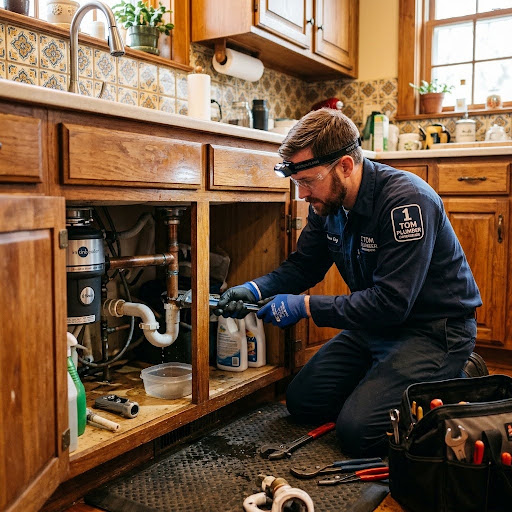
A slow drip under the sink might not seem like a priority, but plumbing leaks are one of the easiest ways to waste water and damage your home at the same time. Even minor leaks can encourage mould growth, weaken flooring, and stain walls or ceilings.
Hidden leaks can be especially problematic because they often go unnoticed for months. Signs such as reduced water pressure, unexplained damp patches, or unusually high water bills may indicate a plumbing issue somewhere in the property.
Ignoring leaks can eventually lead to burst pipes or extensive water damage, particularly during colder weather when pipes are more vulnerable to freezing. Calling a professional before the issue escalates can save both time and money.
Pest Infestations
Hearing scratching sounds in the loft or spotting droppings around the kitchen is never a good sign. Pests such as rats, mice, and insects can spread quickly if they are not dealt with early.
Many infestations start small, making them easy to dismiss at first. However, pests can damage wiring, insulation, food supplies, and even structural materials. Some also carry bacteria and create hygiene concerns within the home.
The key is acting quickly. Sealing entry points, maintaining cleanliness, and arranging professional pest control when needed can prevent a minor issue from turning into a full infestation.
Cracks in Walls and Ceilings
Not every crack is a disaster waiting to happen, but some should definitely be investigated. Hairline cracks caused by natural settling are usually harmless, while larger cracks that continue growing could indicate structural movement.
Cracks around doors and windows, sloping floors, or doors that suddenly stop closing properly may point to deeper structural concerns. Foundation movement and subsidence can become serious if left untreated.
Monitoring cracks over time and seeking professional advice when necessary can help identify whether the issue is cosmetic or something more significant.
Heating and Boiler Issues
Most people only think about their heating system when it stops working entirely. Unfortunately, boilers often show warning signs long before they fail.
Strange noises, inconsistent heating, low boiler pressure, or radiators that take too long to warm up may indicate underlying issues. Ignoring these signs could lead to complete system breakdowns, particularly during winter when you rely on heating the most.
Regular servicing helps identify problems early while improving efficiency and extending the lifespan of your boiler. A well-maintained heating system is usually cheaper to run and less likely to fail unexpectedly.
Ignoring Outdoor Maintenance
Outdoor areas are easy to overlook, but external maintenance problems can eventually affect the inside of your home too. Blocked drains, damaged fences, loose paving, and overflowing gutters all have the potential to cause larger issues over time.
For example, clogged gutters can force rainwater down exterior walls, leading to damp problems indoors. Similarly, overgrown trees and roots can interfere with drainage systems or damage foundations.
Routine outdoor maintenance may not feel urgent, but it plays a major role in protecting your property from long-term damage.
Poor TV Signal and Aerial Problems
Many people assume a poor television signal is simply caused by bad weather or temporary interference. However, ongoing reception issues can indicate a damaged or ageing aerial system.
Pixelated channels, missing stations, or complete signal loss may point to loose cables, corroded connections, or storm damage affecting your setup. Ignoring these issues can eventually lead to a complete loss of service, especially if the aerial has been weakened over time.
Professional TV Aerial Repairs can help identify the root cause of the problem and restore a stable signal before the damage worsens further.
Why Early Action Always Pays Off
One of the biggest mistakes homeowners make is waiting until a problem becomes impossible to ignore. In many cases, the earlier an issue is addressed, the easier and cheaper it is to fix.
Small leaks become major water damage. Minor cracks become structural concerns. A strange electrical fault becomes a safety hazard. Household problems rarely improve on their own.
Regular inspections, preventative maintenance, and responding quickly to warning signs can help keep your home safe, comfortable, and cost-effective to maintain. While no property is completely free from wear and tear, paying attention to the small issues now can prevent major disruption in the future.