Basement waterproofing is one of the most important aspects of maintaining a safe, healthy, and structurally sound home. Because basements are located below ground level, they are constantly exposed to soil moisture, groundwater pressure, and seasonal changes in weather conditions. Without proper protection, water can easily find its way into small cracks or weak points in the foundation, leading to long-term damage that affects not only the basement itself but the entire structure of the home. Over time, this can result in mold growth, structural weakening, poor indoor air quality, and expensive repairs.
Many homeowners do not realize the importance of basement waterproofing until visible signs of damage begin to appear. Damp walls, musty odors, peeling paint, and water stains are often early warnings that moisture is entering the space. Once water intrusion begins, it rarely resolves on its own and usually worsens over time if not properly addressed. This is why preventive action is always more effective and cost-efficient than reactive repairs.
Modern basement waterproofing techniques are designed to stop water intrusion at its source while also managing moisture levels inside the home. These solutions may include interior drainage systems, exterior waterproof coatings, sump pumps, vapor barriers, and foundation crack repairs. When combined properly, these methods create a dry, stable environment that protects both the home and its occupants.
Why Basement Waterproofing Is Essential for Every Home
Basements are naturally vulnerable to moisture because they are surrounded by soil that retains water. Rainfall, melting snow, and underground water movement all contribute to pressure against basement walls. This pressure, known as hydrostatic pressure, forces water through cracks, joints, and porous concrete surfaces.
One of the most important reasons for basement waterproofing is to prevent structural damage. When water repeatedly enters the foundation, it can weaken concrete over time, leading to cracks and shifting. These structural issues can become severe if left untreated, potentially affecting the stability of the entire home.Another critical reason is mold prevention. Moist environments provide ideal conditions for mold and mildew growth, which can spread quickly throughout the basement and even into upper levels of the home. Mold exposure is associated with respiratory issues, allergies, and other health concerns.
Basement waterproofing also plays a major role in protecting property value. A dry, well-maintained basement adds usable living space and makes the home more attractive to potential buyers. On the other hand, a damp or damaged basement can significantly reduce property value and make selling the home more difficult.
Common Causes of Basement Water Problems
Understanding the root causes of water intrusion is essential for effective basement waterproofing. One of the most common causes is poor drainage around the home. When gutters and downspouts fail to direct water away from the foundation, moisture accumulates near basement walls and increases the risk of leakage.
Foundation cracks are another major source of water entry. Over time, natural settling of the home, soil movement, or temperature changes can create small cracks in the foundation. These cracks allow water to seep into the basement, especially during heavy rainfall.High groundwater levels can also contribute to basement moisture issues. In areas with high water tables, hydrostatic pressure can force water through even the smallest openings in the foundation.
Inadequate construction or lack of initial waterproofing is another factor. Homes built without proper waterproofing systems are more susceptible to long-term moisture problems.Because of these risks, homeowners are encouraged to take preventive measures early rather than waiting for visible damage to occur.
Types of Basement Waterproofing Solutions
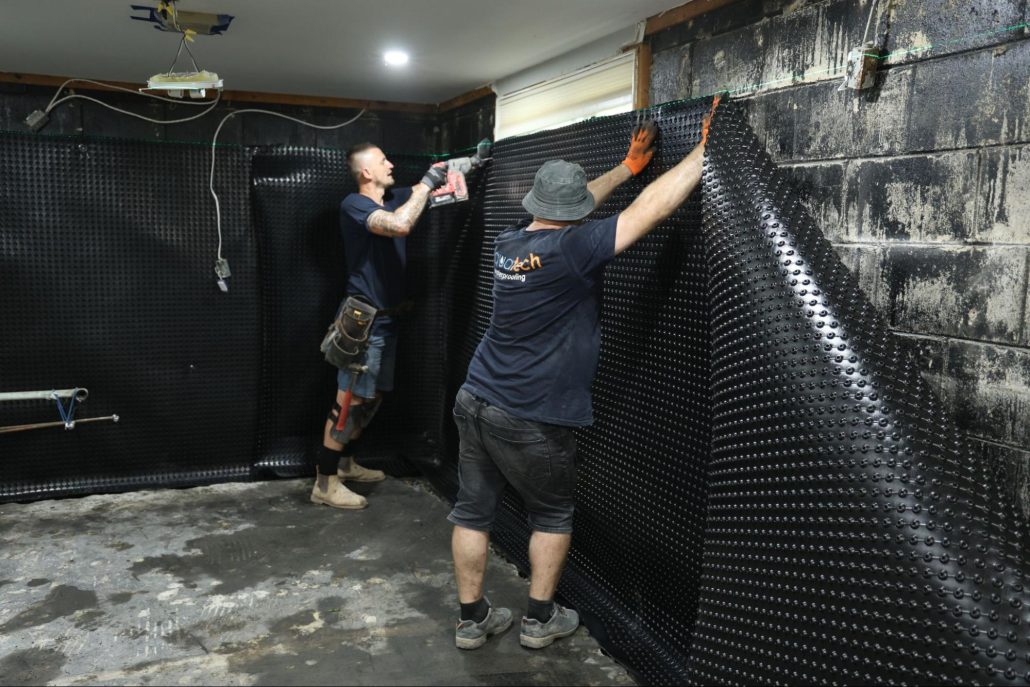
There are several methods used in basement waterproofing, and each plays a different role in controlling moisture and preventing water intrusion.Interior waterproofing focuses on managing water that has already entered the basement. This often includes drainage systems installed along the interior perimeter of the basement floor. These systems collect water and direct it toward a sump pump, which removes it from the home.
Exterior waterproofing is one of the most effective long-term solutions. It involves excavating around the foundation and applying waterproof coatings or membranes to the outside walls. This prevents water from entering the structure in the first place.
Crack injections are used to seal small foundation cracks. Special materials such as epoxy or polyurethane are injected into the cracks to block water pathways and restore structural integrity.Vapor barriers are also commonly used to control moisture levels. These barriers are installed on walls and floors to prevent humidity and ground moisture from entering the basement environment.
Sump pump systems are another critical component of basement waterproofing. These systems collect and remove excess water, helping to prevent flooding and moisture buildup.
Benefits of Professional Basement Waterproofing
While some homeowners attempt DIY solutions, professional basement waterproofing provides far more reliable and long-lasting results. Professionals have the tools, experience, and knowledge required to identify hidden moisture problems and implement effective solutions.
One of the key benefits of professional services is accurate diagnosis. Water intrusion is not always visible, and professionals can detect underlying issues that may not be immediately obvious. This ensures that the root cause of the problem is addressed rather than just the symptoms.Professional waterproofing also ensures the use of high-quality materials and proper installation techniques. This results in longer-lasting protection and reduces the likelihood of future problems.
Another major benefit is cost savings over time. Although waterproofing may require an upfront investment, it helps prevent expensive structural repairs, mold remediation, and property damage in the future.For homeowners seeking reliable protection, working with experts like Wet Basement Solutions provides access to professional-grade basement waterproofing systems designed for long-term performance.
Warning Signs of Basement Water Damage
Recognizing early signs of water intrusion is essential for preventing severe damage. One of the most common indicators is a persistent musty odor in the basement. This smell is often caused by mold or mildew growth due to excess moisture.Visible water stains on walls or floors are another clear warning sign. These stains may indicate ongoing leakage or condensation issues.
Peeling paint, bubbling drywall, or efflorescence (a white powdery substance on concrete walls) are also signs of moisture problems.In some cases, homeowners may notice standing water or damp areas after heavy rainfall. This often indicates that the existing drainage or waterproofing system is not functioning properly.
Increased humidity levels in the basement can also suggest moisture intrusion, especially if the air feels consistently damp or uncomfortable.When these signs appear, it is important to take immediate action before the problem worsens.
The Role of Drainage Systems in Waterproofing
Effective basement waterproofing relies heavily on proper water management. Drainage systems play a crucial role in redirecting water away from the foundation and preventing buildup around basement walls.Interior drainage systems collect water that enters the basement and channel it toward a sump pump system. This prevents water from pooling inside the living space.
Exterior drainage systems, such as French drains, help redirect groundwater away from the foundation before it reaches the basement walls.Proper grading around the home is also important. The ground should slope away from the foundation to prevent water from accumulating near the structure.When combined with other waterproofing methods, drainage systems provide comprehensive protection against water intrusion.
Long-Term Maintenance of Waterproofed Basements
Even after basement waterproofing is completed, regular maintenance is necessary to ensure continued effectiveness. Homeowners should periodically inspect walls, floors, and drainage systems for signs of wear or damage.Sump pumps should be tested regularly to ensure they are functioning properly. A malfunctioning sump pump can quickly lead to water accumulation during heavy rainfall.
Gutters and downspouts should also be cleaned and maintained to ensure proper water flow away from the home.Humidity levels should be monitored, and dehumidifiers may be used to maintain a dry environment if necessary.Regular inspections help identify small issues before they become major problems.
Why Early Waterproofing Is a Smart Investment
Delaying basement waterproofing can lead to significantly higher repair costs in the future. Water damage tends to worsen over time, especially when left untreated.Early waterproofing helps prevent structural damage, mold growth, and interior deterioration. It also reduces long-term maintenance costs and protects the overall value of the property.Homeowners who take preventive action often enjoy greater peace of mind knowing their home is protected from water-related risks.
Final Thoughts on Basement Waterproofing
Basement waterproofing is an essential part of home maintenance that protects against moisture damage, structural issues, and indoor air quality problems. Because basements are naturally vulnerable to water intrusion, proactive measures are necessary to ensure long-term safety and stability.
From drainage systems and crack repairs to sump pumps and vapor barriers, modern waterproofing solutions provide comprehensive protection against a wide range of moisture-related issues.Professional services play a key role in ensuring that waterproofing systems are properly designed and installed. Companies such as Wet Basement Solutions offer expert guidance and advanced solutions that help homeowners maintain dry, safe, and functional basements.By investing in proper basement waterproofing, homeowners can protect their property, improve comfort, and avoid costly repairs in the future.