
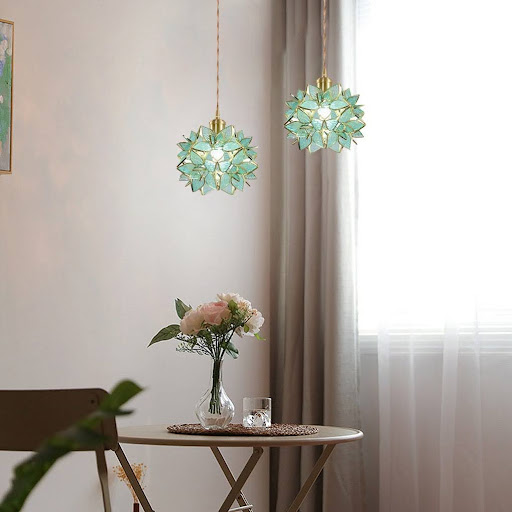
Refreshing a room does not always require new furniture, fresh flooring, or a complete decorating project. Sometimes, one carefully selected light fixture can change the way the entire space feels. Pendant lighting is especially effective because it combines useful illumination with colour, shape, and visual focus.
For kitchens, dining corners, bedrooms, and compact living spaces, smaller pendant fixtures can create a noticeable design update without making the ceiling feel crowded. Choosing a coloured finish, such as blue, can add even more personality while keeping the rest of the interior simple.
Blue mini pendant lights can introduce colour and create a clear focal point without overwhelming the room.
Why Smaller Pendant Lights Work So Well
Large chandeliers and oversized pendants can look impressive, but they are not suitable for every room. In apartments, narrow kitchens, breakfast areas, or homes with modest ceiling heights, a large fixture may dominate the space.
Mini pendant lights offer a lighter and more flexible alternative. Their compact size allows them to provide focused illumination while leaving the room feeling open. They can be installed individually over a reading corner or bedside table, or arranged in groups above a kitchen island and dining counter.
Using several smaller pendants also makes it easier to match the lighting to the proportions of the furniture. Two or three fixtures can spread light evenly across a long island, while one compact pendant may be enough for a small breakfast table.
Use Colour as a Design Feature
Neutral interiors remain popular because they are easy to decorate and live with. However, rooms filled with white, grey, beige, and pale timber can sometimes feel flat. A coloured pendant introduces personality without requiring a permanent change to walls or cabinetry.
A blue pendant light can create a calm yet distinctive focal point. Pale blue works well in coastal, Scandinavian, and relaxed contemporary interiors, while navy or deep blue can add contrast to a white kitchen or neutral dining room.
Blue also pairs naturally with timber, white marble, brushed metal, glass, and warm neutral fabrics. Repeating the colour through small details such as cushions, artwork, ceramics, or tableware can help the pendant feel connected to the rest of the room.
Choose the Right Location
Pendant lighting is most successful when it is connected to a specific activity or piece of furniture. Over a kitchen island, it can support food preparation and casual dining. Above a small dining table, it defines the eating area. Beside a bed, a compact pendant can replace a table lamp and leave more space on the bedside surface.
In an open-plan room, pendants can also create visual zones without adding walls. A group of small fixtures above the island separates the kitchen from the living area, while another pendant can identify a nearby reading or dining corner.
Pay Attention to Height and Spacing
Even an attractive fixture can feel awkward when it is installed at the wrong height. A pendant should hang low enough to feel connected to the surface below, but not so low that it blocks views or interferes with movement.
When several mini pendants are used together, spacing should feel balanced rather than crowded. Consider the length of the island or table, the width of each shade, and the amount of light each fixture provides before deciding how many are needed.
Testing the arrangement with temporary markers before installation can help homeowners visualise the final position and avoid unnecessary changes later.
Coordinate the Finish With the Interior
The pendant does not need to match every item in the room, but it should relate to the surrounding finishes. A blue shade with brass details can complement warm cabinet hardware, while blue and black can create a sharper contemporary look. Glass elements can keep the fixture feeling light, and wooden details can soften the colour.
The goal is to repeat one or two materials or colours rather than matching everything exactly. This creates a coordinated interior that still feels natural and personal.
Layer the Lighting
Pendants should not be expected to provide all the light a room needs. Kitchens may also require under-cabinet lighting and general ceiling illumination. Dining rooms can benefit from wall lights or lamps that provide a softer background glow.
Using several lighting layers makes the space more flexible. Brighter illumination can support cooking, cleaning, or working, while dimmer pendant lighting can create a calmer atmosphere for meals and evenings.
Final Thoughts
A small lighting upgrade can have a surprisingly strong effect on an interior. Mini pendants provide useful light without overwhelming compact rooms, while blue fixtures introduce colour and character in a controlled way.
By choosing the right scale, position, height, and finish, homeowners can transform an ordinary kitchen island, dining corner, or bedroom area without undertaking a full renovation. The result is a room that feels more thoughtful, distinctive, and enjoyable every day.