
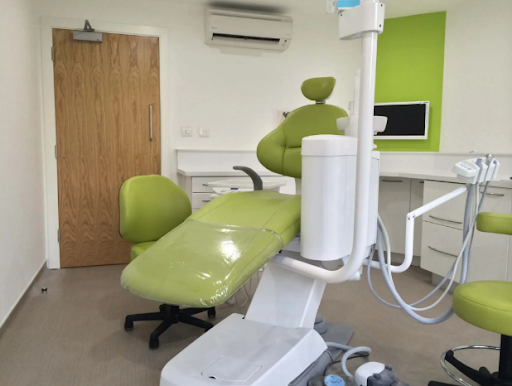
Cosmetic dentistry is an elective decision. Nobody needs teeth whitening, composite bonding, or veneers the way they need a root canal or an extraction. They choose it, and that choice is influenced by dozens of signals they receive before, during, and after their first consultation. The physical environment of the practice is one of the most powerful of those signals. A dental design that communicates precision, care, and clinical excellence creates the conditions in which a patient feels confident making an elective investment. One that does not creates hesitation at exactly the moment confidence is required.
The Psychology of Elective Treatment Decisions
Understanding why dental surgery design influences cosmetic case conversion requires understanding how patients make elective healthcare decisions. Unlike urgent treatment, where the pain or the problem drives the decision, elective treatment requires the patient to self-motivate, self-fund, and trust that the outcome will justify the investment.
Trust is built through a series of signals, online reputation, consultation quality, team interaction, and the practice environment. A space that feels considered, organised, and quietly premium supports patient confidence, while one that feels dated or clinical can reduce it. Dental design is not decoration; it shapes how trust is created.
What Cosmetic Patients Really Want from Their surroundings
Patients considering cosmetic dental treatment have typically researched their options, looked at before-and-after cases online, and formed a view about what kind of practice they want to be treated at. When they arrive for a consultation, they are consciously or unconsciously testing whether the physical reality matches their expectation.
The Signals That Build Cosmetic Confidence
Precision in the detail: Cosmetic dentistry depends on accuracy. Details in shade, shape, and proportion influence outcomes, and a practice environment that reflects care and precision suggests the same standard in treatment.
Quiet premium rather than luxury: Cosmetic patients value considered design over excess. Warm lighting, quality finishes, and a calm, balanced space create confidence without feeling overly clinical.
Visible evidence of technology: Seeing tools such as intraoral cameras, smile photography setups, and digital impression systems reassures patients that the practice invests in modern cosmetic care.
The Consultation Room: Where Dental Surgery Design Has the Most Impact
The consultation is the moment at which a cosmetic patient decides whether to proceed. Everything in the dental surgery design of the consultation space should support a yes, by making the patient feel relaxed, informed, and confident in the practice’s ability to deliver what they are about to invest in.
- Seating that positions the patient and clinician at equal height, not with the patient reclined and the clinician standing above
- Lighting that allows accurate shade matching and photography in the consultation, not just in the treatment room
- Screen positioning that allows the clinician to share imaging, smile design previews, and case references without either party craning to see
- Acoustic privacy that allows the patient to discuss cost and personal concerns without awareness of other patients nearby
The Design Elements Patients Notice Before Treatment Begins
Patients rarely describe their decision in design language, but they respond to environmental cues almost immediately. Small details influence whether a practice feels premium, organised, and capable of delivering elective cosmetic outcomes.
| Design Element | What the Patient Interprets |
| Reception layout | Organisation and professionalism |
| Lighting quality | Cleanliness, accuracy, and attention to detail |
| Material finishes | Long-term investment in quality |
| Treatment room visibility | Confidence in clinical standards |
| Digital consultation screens | Modern capability and treatment planning |
| Acoustic privacy | Trust and comfort discussing treatment |
| Storage and visual organisation | Precision and operational control |
| Photography and smile design setup | Specialisation in cosmetic treatment |
Patients may not consciously evaluate each element, but together they create an impression that either supports treatment acceptance or introduces hesitation.
The Commercial Case: What the Numbers Look Like
- A stronger patient experience can improve cosmetic treatment conversion rates.
- The right practice environment supports higher-value treatment acceptance over time.
- Long-term returns from considered dental design can outweigh the initial investment.
- For practices focused on cosmetic growth, design has become a strategic business decision rather than a purely aesthetic one.
Design That Converts Is Design That Was Briefed Correctly
Cosmetic treatment decisions are influenced long before the consultation begins. Practices seeing stronger cosmetic case growth are typically designing for patient confidence, trust, and conversion rather than aesthetics alone. A successful environment supports the entire patient journey, from first impression through to treatment acceptance. Divo Interiors designs dental surgery environments for practices with growth ambitions, creating spaces that align clinical requirements with commercial outcomes and help patients feel confident at every stage.
Author Bio: UV Jadeja
UV Jadeja, the head honcho at Divo Interiors Ltd in London, has spent a significant number of years in the commercial fit-out and refurbishment industry, specialising in dental practices. Under his leadership, the company has designed and renovated clinics of some of the most well-known dental practices in the country. He often shares his insights & extensive industry knowledge with the general public through engaging blog posts.