Most people don’t think about their air conditioning unit until it stops working. Then, suddenly, it becomes the most important appliance in the house. A sweltering summer afternoon with a broken AC has a way of changing priorities fast.
The good news? Keeping your system running at peak performance doesn’t require constant attention. With the right service behind you, your AC can deliver reliable, efficient cooling season after season—without the panic of an unexpected breakdown.
What Actually Happens When AC Maintenance Gets Skipped
Neglecting your air conditioning system is a gradual problem. It rarely results in a dramatic, immediate failure. Instead, it’s a slow decline—efficiency drops, energy bills creep up, and components begin wearing out faster than they should.
Dirty air filters are one of the most common culprits. When airflow becomes restricted, your system has to work harder to move cool air through your home. That extra strain puts pressure on the compressor—one of the most expensive components in any AC unit. Over time, refrigerant levels can drop, coils can freeze, and what started as a small maintenance gap turns into a costly repair bill.
Dust and debris accumulate on condenser coils, reducing the system’s ability to release heat. Condensate drain lines can clog, leading to moisture buildup and potential water damage. Fan motors and belts wear down without lubrication. None of these issues announce themselves loudly. They just quietly chip away at your system’s lifespan and your home’s comfort.
Why Professional AC Service Pays for Itself
There’s a reason experienced technicians approach AC maintenance the way they do—it’s not just about fixing what’s broken. It’s about catching what’s about to break.
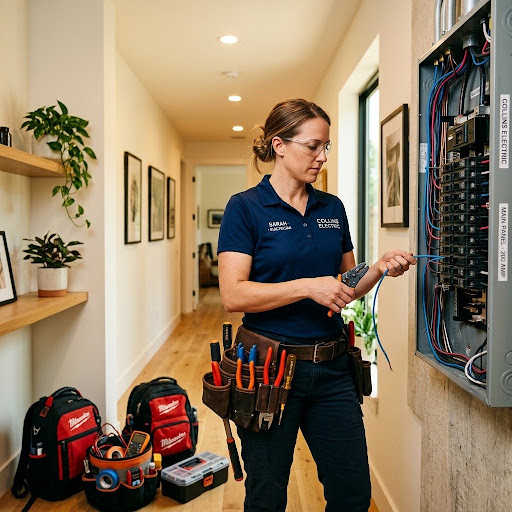
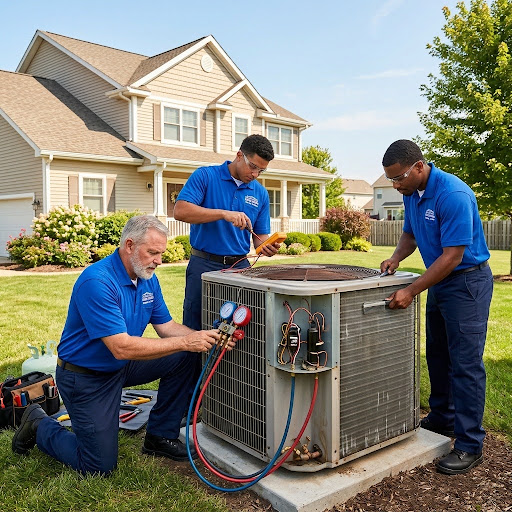
A professional inspection covers the full scope of your system: electrical connections, thermostat calibration, refrigerant charge, coil cleaning, drain line flushing, and mechanical component checks. Each of these touchpoints matters. Loose electrical connections, for instance, can cause unsafe voltage fluctuations that damage your system. Low refrigerant doesn’t just reduce cooling power—it can cause the compressor to overheat and fail entirely.
Skilled technicians also assess airflow patterns and identify whether your system is properly sized for your space. An undersized unit will run continuously without ever reaching the set temperature. An oversized unit will short-cycle, wearing out components faster while leaving rooms feeling humid and uncomfortable.
The value of professional service isn’t just operational—it’s financial. Systems that receive consistent care last longer, consume less energy, and require fewer emergency repairs.
The Right Time to Schedule AC Service
Timing matters. Scheduling service before the peak cooling season—typically in spring—means your system is ready when you need it most. It also means you’re not competing with hundreds of other homeowners trying to book an emergency appointment in the middle of a July heatwave.
That said, there are clear signals that your system needs attention regardless of the season:
- Unusual noises: Rattling, buzzing, or grinding sounds often point to loose parts or motor issues.
- Inconsistent cooling: If some rooms are significantly warmer than others, airflow or refrigerant problems may be the cause.
- Higher energy bills: A sudden spike in electricity costs without a change in usage habits is a strong sign your system is struggling.
- Frequent cycling: If your AC turns on and off more often than normal, it may be short-cycling due to an oversized unit or thermostat issue.
- Excess humidity indoors: Air conditioning removes humidity as it cools. If your home feels sticky, the system isn’t functioning correctly.
Acting on these signs early prevents small issues from compounding into expensive repairs.
How Mighty Plumbing Heating Air and Electric LLC Keeps Your System at Its Best
Air Conditioning Maintenance performed by a qualified, experienced team is one of the smartest investments you can make in your home’s comfort and your system’s long-term reliability—and that’s exactly what Mighty Plumbing Heating Air and Electric LLC delivers with every service visit.
The team brings a thorough, detail-oriented approach to every job. From cleaning coils and testing electrical components to flushing drain lines and verifying refrigerant levels, every aspect of your system gets the attention it deserves. There’s no guesswork, no rushed walk-throughs—just professional service performed with the goal of keeping your home comfortable and your system running efficiently.
Mighty Plumbing Heating Air and Electric LLC serves homeowners who want reliability, not surprises. Whether you’re scheduling a seasonal tune-up or responding to a system concern, their technicians arrive prepared, work methodically, and communicate clearly about what they find and what they recommend.
The goal is simple: an AC system that performs when it matters, lasts as long as possible, and doesn’t drain your wallet with avoidable repairs.
Frequently Asked Questions
How often should I schedule professional AC maintenance?
Once a year is the standard recommendation for most residential systems, ideally before the summer cooling season begins. Homes in hotter climates or with older systems may benefit from twice-yearly check-ups.
Can I do any AC maintenance myself?
Homeowners can handle basic tasks like replacing air filters every 1–3 months and keeping the area around outdoor units clear of debris. Anything involving electrical components, refrigerant, or internal parts should be handled by a licensed technician.
How long does a professional AC maintenance visit take?
A comprehensive maintenance visit typically takes between one and two hours, depending on the system’s size and condition.
Does regular maintenance actually extend my AC’s lifespan?
Yes. AC systems that receive consistent professional care routinely last 15 to 20 years. Neglected systems often fail within 10 years or require major component replacements long before that.
What’s the difference between a tune-up and a repair?
A tune-up is preventive—it keeps your system running correctly before problems develop. A repair addresses something that has already failed. Regular tune-ups are specifically designed to reduce the likelihood of needing repairs.