One of the most serious emergencies that can occur in the home is a fall. Sudden dizziness in the kitchen, poor balance around the stairs, or a slippery floor in the bathroom could prevent a person from reaching a telephone. Furthermore, if medical help is not sought immediately, even minor falls may escalate after some time, particularly for older people who live alone.
Meanwhile, many seniors desire to be independent and carry out their daily routines without having to be supervised at all times. But when no one is around to assist, unexpected emergencies can cause concern with families. Thus, fall alert buttons have become an essential addition to home safety equipment as they provide quick access to emergency help.
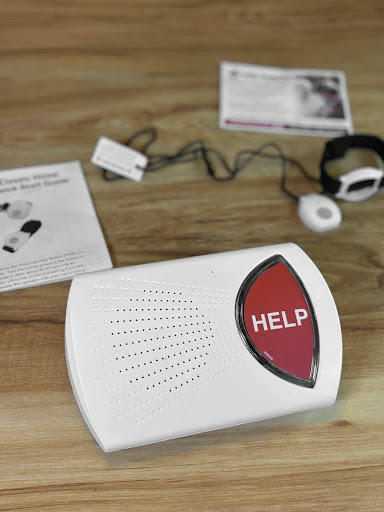
Such devices provide added safety at home and outdoors by offering features like one-touch emergency support, automatic fall detection, wearable protection, and two-way communication.
This article describes six practical ways fall alert buttons help prevent medical crises and make living independently safer.
1. Provide Immediate Access to Emergency Help
When help is delayed, an emergency can quickly get worse. A fall, for instance, could cause an individual to be injured, confused, or unable to stand up without support. In such cases, an emergency call button for falling elderly users can establish a direct connection with trained emergency responders with a single push of the button.
The user can call for help from nearly anywhere in the home without having to go to a telephone. This helps to improve the response times dramatically during the critical moments.
This is particularly relevant in the event of a head injury, chest pain, or a fall affecting mobility, where every minute counts. In addition, prompt access to emergency assistance could help to lessen panic and confusion following an accident.
2. Reduce Risks Caused by Long Periods on the Floor
After a fall, remaining on the floor for an extended time can create serious health complications. Muscle damage, circulation issues, dehydration, and hypothermia can happen more quickly than many realize.
Unfortunately, this risk increases for individuals who live alone or spend several hours without regular check-ins. However, fall alert systems help shorten the time between the accident and emergency response.
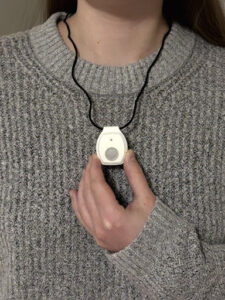
There are also many devices with automatic fall detection. So, if the person is unconscious or can’t press the button on their own, the system can still send an automatic call to emergency monitoring services.
This extra layer of protection can stop things from becoming more serious medical emergencies.
3. Improve Bathroom and Staircase Safety
Bathrooms and staircases continue to be two of the most dangerous rooms in the house. A wet floor, uneven footing, and loss of balance can easily cause slipping or falling, which can be dangerous.
These places are typically remote from home phones as well. This means that it can be challenging to get help after an accident.
Water-resistant fall alert buttons address this issue by enabling users to wear the device around the clock, even during showering. Likewise, wearables offer protection when walking from floor to floor or while carrying stuff on the stairs.
The constant accessibility enhances confidence in daily life and enables quick notification in case of an accident.
4. Support Safer Independent Living
The majority of older persons desire independence and prefer to age in place instead of moving to a retirement home. However, concerns about falls often create stress for both individuals and family members.
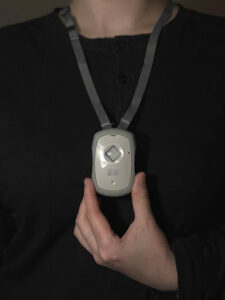
Fall alert systems can be used to balance independence with practical support to help prevent falls. Since the device remains within reach at all times, users can continue daily activities with an added sense of security.
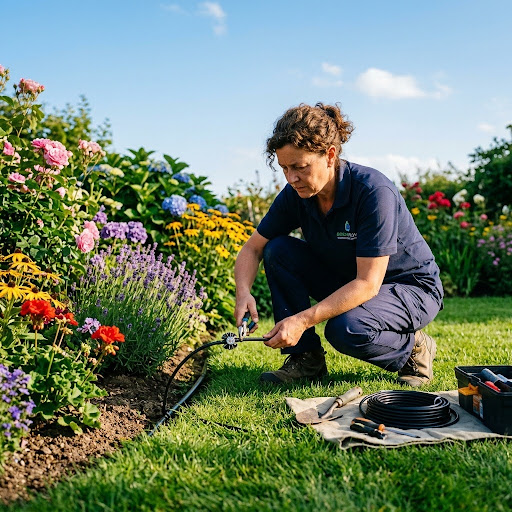
For instance, a person might feel more at ease gardening, cooking, strolling outdoors, or doing housekeeping duties on their own, knowing that emergency assistance is available if they need it.
Moreover, family members may feel at ease if they know there is a dependable emergency response system available even when they are unable to be physically there.
5. Offer Protection Outside the Home
Medical emergencies are not limited to indoors. Falls can happen when walking around outside, shopping, visiting friends, or on icy sidewalks in the winter.
As a result, mobile fall alarm systems that provide GPS tracking have become more useful. Mobile devices can operate outside the house, unlike stationary households, and can provide emergency responders with greater accuracy on the location of the person.
This is especially useful if anyone is confused, injured, or has limited mobility in an unfamiliar environment. In addition, an outdoor emergency situation may have fewer people in the immediate vicinity who can immediately assist.
Mobile protection ensures emergency support is available during driving, exercising, shopping, and out-of-the-home activities.
6. Encourage Faster Medical Evaluation After Falls
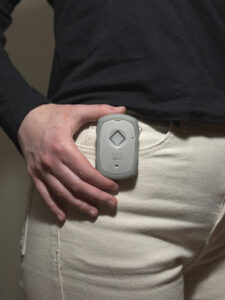
Some people try to dismiss a fall even when injuries may not appear immediately obvious. However, symptoms such as internal bleeding, concussions, or fractures can worsen over time without prompt medical evaluation.
Fall alert systems encourage quicker action by making it easier to contact emergency assistance immediately after an accident occurs. Instead of waiting hours to see if symptoms improve, users can receive professional guidance sooner.
This faster response may reduce hospitalization risks and improve recovery outcomes. Additionally, earlier treatment often helps prevent smaller injuries from developing into more serious health conditions.
Most importantly, immediate access to emergency support creates a safer environment where people can respond to accidents proactively rather than reactively.
Conclusion
Falls often happen unexpectedly, yet delayed emergency response creates many of the most serious complications afterward. Fall alert buttons help reduce these risks by improving communication, shortening response times, and providing continuous access to assistance both inside and outside the home. At the same time, they support independent living without sacrificing safety.
Whether the concern involves bathroom falls, outdoor accidents, or medical emergencies while alone, these systems provide practical protection during critical moments when quick action matters most.