Owning a vehicle is a significant investment, and like any valuable asset, it requires regular care to perform at its best. While it may be tempting to postpone servicing to save money in the short term, neglecting routine maintenance often leads to expensive repairs that could have been avoided. Regular vehicle servicing helps identify small issues before they become major problems, ensuring your car remains safe, reliable and cost-effective to run.
Whether you rely on your vehicle for commuting, family trips or business use, staying on top of scheduled maintenance is one of the smartest financial decisions you can make.
Why Regular Servicing Matters
Every vehicle experiences wear and tear over time. Components such as brakes, tyres, filters, fluids and belts gradually deteriorate with everyday use. During a routine service, trained technicians inspect these essential parts, replacing worn items and identifying potential issues before they escalate.
Rather than waiting for a warning light to appear or a breakdown to occur, preventative maintenance keeps your vehicle in good condition throughout the year. This proactive approach not only improves reliability but also reduces the likelihood of unexpected repair bills. Regular servicing is widely recommended as a way to improve safety, reliability, fuel efficiency and long-term ownership costs.
Catching Small Problems Before They Become Major Repairs
Many costly repairs begin as relatively minor issues. A small oil leak, worn brake pads or a damaged suspension component may seem insignificant at first, but if ignored, they can lead to much larger mechanical failures.
For example:
- Low engine oil can increase friction, causing excessive engine wear.
- Worn brake pads can damage brake discs if not replaced promptly.
- A cracked drive belt can snap unexpectedly, leaving you stranded.
- Dirty filters can reduce engine performance and increase fuel consumption.
- Low coolant levels may result in engine overheating.
Routine servicing allows these problems to be identified early when repairs are generally simpler and far less expensive.
Improving Engine Performance
The engine is the heart of your vehicle, and keeping it healthy should always be a priority. Fresh engine oil and clean filters help reduce friction between moving components while removing dirt and contaminants that accumulate over time.
When oil becomes old or contaminated, it loses its ability to lubricate effectively. This increases wear on internal engine parts and may eventually lead to serious engine damage.
Regular servicing ensures that:
- Engine oil is replaced at the correct intervals.
- Oil filters are changed.
- Air filters remain clean.
- Spark plugs are inspected or replaced when necessary.
These relatively inexpensive maintenance tasks can significantly extend engine life while maintaining smooth performance.
Keeping Brakes Safe and Effective
Your braking system is one of the most important safety features on your vehicle. Brake components naturally wear down through normal driving, particularly in busy urban traffic where frequent stopping is common.
During servicing, technicians inspect:
- Brake pads
- Brake discs
- Brake fluid
- Brake lines
- Overall braking performance
Replacing worn brake pads early is considerably cheaper than replacing damaged discs or dealing with brake system failures later. Regular inspections also provide peace of mind that your vehicle can stop safely in emergency situations.
Protecting Your Suspension and Steering
Road conditions can take their toll on suspension and steering components. Potholes, speed bumps, uneven roads and daily driving gradually wear out these parts.
If suspension problems are ignored, they can affect:
- Vehicle handling
- Tyre wear
- Driver comfort
- Braking performance
- Overall safety
Routine servicing allows technicians to identify worn bushes, shock absorbers, steering joints and other components before they require extensive repairs.
Extending Tyre Life
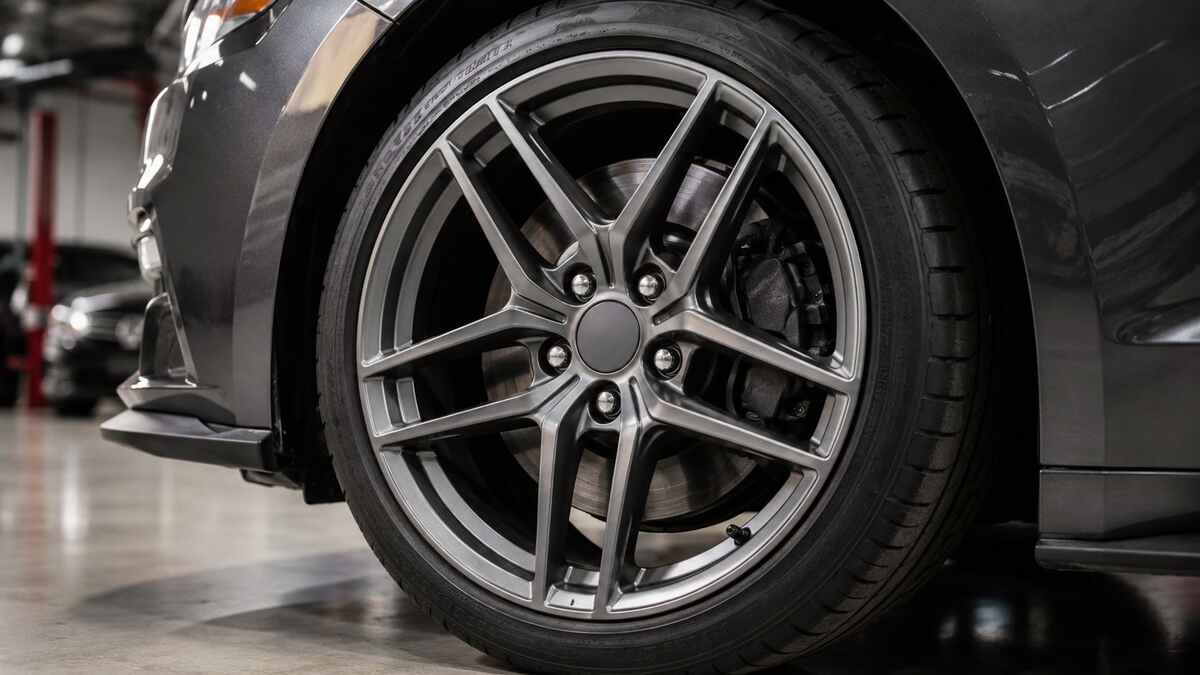
Tyres are often overlooked until they become visibly worn, but they play a major role in safety, fuel efficiency and handling.
During servicing, the condition of tyres is carefully checked, including:
- Tread depth
- Tyre pressure
- Uneven wear patterns
- Sidewall damage
Incorrect tyre pressure or poor wheel alignment can dramatically shorten tyre lifespan. Addressing these issues early helps maximise tyre life and avoids the cost of premature replacements.
Improving Fuel Efficiency
A well-maintained vehicle operates far more efficiently than one suffering from neglected maintenance.
Several servicing tasks contribute to improved fuel economy, including:
- Replacing dirty air filters.
- Changing engine oil.
- Maintaining correct tyre pressures.
- Ensuring spark plugs function correctly.
- Checking engine management systems.
When your engine runs efficiently, it requires less fuel to produce the same level of performance. Over thousands of miles, these fuel savings can add up significantly.
Maintaining Your Vehicle’s Value
If you ever decide to sell or trade in your car, its service history can make a noticeable difference.
Buyers often prefer vehicles with documented maintenance because it demonstrates responsible ownership and reduces concerns about hidden mechanical issues.
A complete service history may help:
- Increase resale value.
- Attract more buyers.
- Support manufacturer warranty requirements.
- Demonstrate consistent maintenance.
Keeping records of every service provides reassurance that the vehicle has been properly looked after throughout its life.
Reducing the Risk of Unexpected Breakdowns
Few situations are more frustrating than a vehicle breaking down unexpectedly. Aside from repair costs, breakdowns can cause missed appointments, lost work time, recovery charges and travel disruption.
Routine servicing greatly reduces the likelihood of sudden failures by identifying worn components before they fail completely.
Common issues that regular servicing can prevent include:
- Battery failure
- Cooling system faults
- Belt failures
- Fluid leaks
- Brake problems
- Electrical issues
Preventative maintenance offers peace of mind, especially before long journeys or during harsh weather conditions.
Following the Manufacturer’s Service Schedule
Every vehicle manufacturer provides recommended service intervals based on mileage or time.
Following these recommendations ensures your vehicle receives maintenance exactly when required. Skipping scheduled services may accelerate wear on components and, in some cases, affect warranty coverage.
Professional technicians understand these schedules and know which inspections and replacements are appropriate for your vehicle’s age and mileage.
If you’re looking for reliable MOT and servicing in Stockton-on-Tees, choosing an experienced garage can help ensure your vehicle remains safe, efficient and well maintained throughout the year.
A Worthwhile Investment
Regular vehicle servicing should never be viewed as an unnecessary expense. Instead, it is an investment that protects your vehicle, improves safety, reduces running costs and helps avoid expensive repairs in the future.
Small maintenance tasks completed at the right time can prevent major mechanical failures, extend the lifespan of your vehicle, improve fuel economy and preserve resale value. By following your manufacturer’s servicing schedule and addressing minor issues promptly, you can enjoy greater reliability and fewer unexpected repair bills over the life of your car.
Ultimately, preventative maintenance is almost always more affordable than emergency repairs, making regular servicing one of the most cost-effective habits any vehicle owner can adopt.