If you’ve spotted a set of “HPP wheels” for sale or seen the term in a forum thread, you’ve probably noticed it isn’t explained clearly anywhere. Some people mean the factory wheels that come with the Handling Performance Package on a Mustang. Others mean the classic “lacy spoke” wheels found on Ford’s Panther platform cars.
Both are real, both go by this name, and both raise different fitment questions. This guide covers where they came from, which vehicles they fit, and what to check before you buy a set, whether you’re after OEM originals or a solid aftermarket match.
What Are HPP Wheels and Where Did They Come From?
HPP stands for Handling Performance Package, a factory option Ford has used across several platforms for its sportier, more track-focused trims. The wheels bundled with that package earned this nickname, and it stuck long after most owners forgot what the letters actually meant.
Two main lineages carry the name:
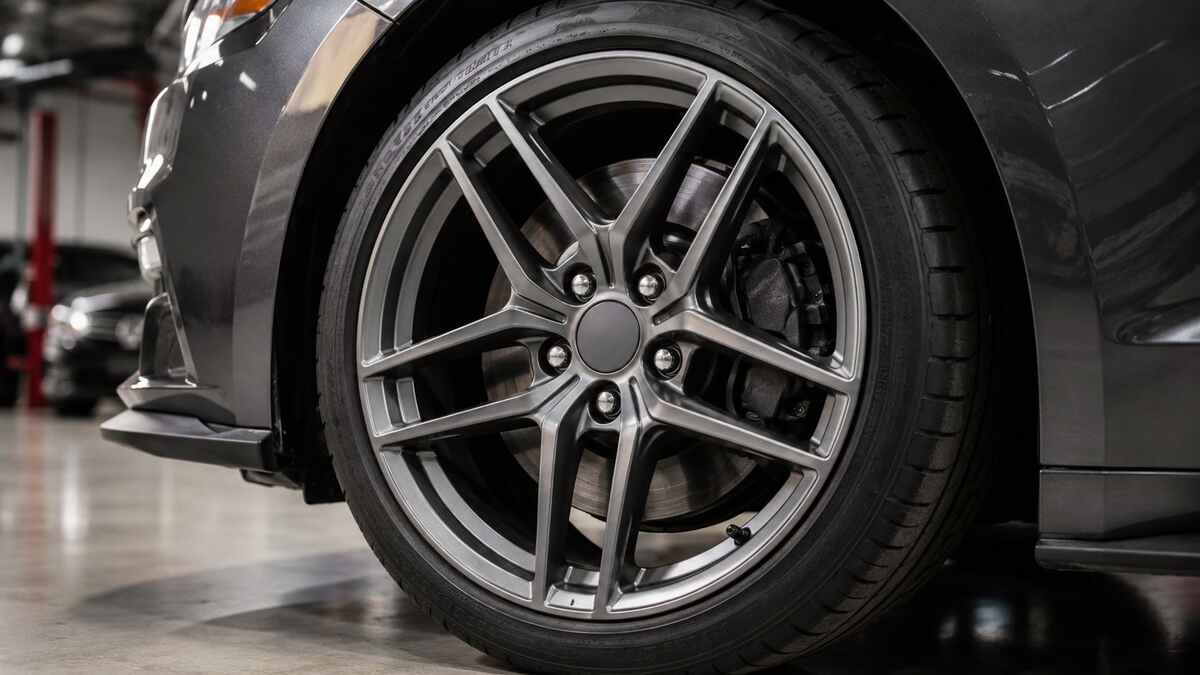
Mustang version: 19-inch wheels included with the Handling Performance Package on EcoBoost and GT models, most notably from the 2018–2020 model years.
Panther platform version: 16×7 “lacy spoke” wheels found on Crown Victoria, Grand Marquis, and Marauder HPP trims from the late ’90s through the early 2000s.
Knowing which lineage you need matters, since the two aren’t interchangeable and fit completely different cars.
Which Ford Mustang Models Fit the Handling Package Wheels
The Mustang version is tied specifically to cars ordered with the Handling Performance Package, available on both EcoBoost and GT trims. The common spec is a 19×9.5-inch wheel with roughly a 40mm offset, set up square rather than staggered, meaning the same size wheel runs front and rear. That’s a key difference from the staggered setup used on GT Performance Pack 2 models.
2018–2020 EcoBoost and GT models with the handling package are the most likely direct factory fit. If your Mustang came with the standard 18-inch wheels, moving up to this size is possible but counts as an upgrade rather than a like-for-like swap, so fitment should be checked rather than assumed.
To confirm fitment quickly, check your door jamb sticker or window sticker for the handling package code, or measure your current wheels against the 19×9.5″ ET40 spec before buying.
HPP Wheels on Panther Platform Cars: Crown Vic & Marquis
The older meaning belongs to Ford’s Panther platform: the Crown Victoria, Grand Marquis, and Marauder built through the ’90s and early 2000s. These are the lacy spoke wheels, sized at 16×7, and they earned the nickname because they only came factory-installed on Handling Performance Package trims.
It’s a smaller but dedicated enthusiast niche. Owners of standard LX or GS Panther cars often seek this option out specifically because base trims didn’t include it, and clean sets can be hard to find. If you own a Panther platform car and want the factory look, you’re looking at 16×7 wheels with the platform’s standard 5-lug bolt pattern.
They’re decades old now, so condition and finish (polished vs. coated rim lips) vary widely between sets. Inspect closely before buying used.
Wheel Size, Bolt Pattern, and Offset You Need to Know
Fitment comes down to three numbers. Getting any one of them wrong is usually what causes rubbing, poor handling, or a wheel that won’t bolt on at all.
Mustang spec:
- Size: 19×9.5 inches
- Offset: approximately ET40
- Bolt pattern: 5×114.3mm (standard for S550-generation Mustangs)
Panther platform spec:
- Size: 16×7 inches
- Bolt pattern: 5×114.3mm
Offset trips people up the most. A lower offset pushes the wheel further out from the hub, which can look aggressive but also risks rubbing against fenders or suspension components if it strays too far from spec. If you want a deeper breakdown of how wheel offset affects fitment and handling, it’s worth a quick read before you buy. Match offset as closely as possible unless you’re intentionally changing your stance and know what spacers or fender work that requires.
Staggered vs Square Setup: What Fits Your Car
This is where a lot of Mustang owners get confused, so it’s worth clearing up before you buy anything.
A square setup uses identical wheel sizes on the front and rear axles. The Mustang option uses this layout: 19×9.5″ all around.
A staggered setup uses wider wheels in the rear than the front, which is what you’ll find on GT Performance Pack 2 models. Staggered wheels aren’t interchangeable front-to-rear, and mixing them up with a square set causes fitment problems fast.
If you’re buying a used set and the seller can’t confirm whether it’s square or staggered, ask for individual measurements on each wheel before committing. It’s a quick question that saves a lot of hassle later.
How to Check If They Will Fit Your Vehicle
Before buying a set, run through this checklist:
- Confirm your bolt pattern. Most Mustangs and Panther platform cars use 5×114.3mm, but verify against your specific year and trim.
- Match the offset. Even a 5–10mm difference from factory spec can cause clearance issues.
- Check tire clearance. Wider wheels may need a specific tire width to avoid rubbing against fenders or suspension.
- Verify hub bore size. If it’s larger than your hub, you’ll need centering rings for a proper fit.
- Check brake caliper clearance. Larger brake upgrades sometimes won’t clear certain spoke designs.
If any of these don’t line up, it doesn’t mean the wheels won’t work, but it usually means you’ll need spacers, adapters, or a trip to a wheel shop to fit them safely.
Common Fitment Issues and How to Avoid Them
Most problems owners run into aren’t about the wheels themselves. They’re about mismatched expectations going in. A few patterns come up repeatedly:
- Buying a staggered Mustang set expecting a square fit, leading to one axle looking or performing differently than the other.
- Assuming all Panther platform sets are identical, when finish and lip style actually varied across production years.
- Ignoring offset differences when moving to a larger factory wheel, causing rubbing under full steering lock or suspension travel.
- Skipping a test fit on one wheel before ordering a full set, especially when buying from a private seller with no return policy.
Test-fitting one wheel before committing to a full set is the easiest way to avoid an expensive mistake.
Do You Need Spacers or Adapters for a Proper Fit?
Sometimes yes, depending on what you’re working with. Spacers are typically needed when the hub bore or offset doesn’t quite match your vehicle, and adapters come into play if you’re fitting a wheel with a different bolt pattern than your car uses.
For most Mustang owners moving between compatible S550-generation trims, spacers usually aren’t necessary as long as offset and bolt pattern already match. Panther platform swaps are similarly straightforward within the same platform, since bolt patterns are shared across those models.
Spacers become more common when someone tries to fit this style onto a vehicle outside its original platform, such as putting Mustang wheels on an unrelated Ford model. In those cases, consult a wheel specialist rather than guessing, since incorrect spacer use can affect wheel bearing load and long-term safety.
OEM vs Aftermarket Lookalikes: Fitment Differences
Genuine OEM sets are the safest bet for guaranteed fitment, but they’re not always easy to find, especially for the older Panther platform version. That’s where aftermarket lookalikes come in.
Aftermarket wheels styled after this look can work well, but their specs aren’t always identical to the factory original. Small differences in offset or hub bore are common, even among wheels marketed as direct replacements. Before ordering aftermarket:
- Confirm the listed offset matches your factory spec, not just the wheel size.
- Check reviews or forum feedback from owners who’ve installed that exact wheel on your model.
- Ask the seller directly about hub bore size if it isn’t listed.
OEM takeoffs (used factory wheels pulled from another car) are often the best middle ground: genuine fitment at a lower price than buying new from a dealer.
Tire Sizing and Speedometer Calibration After a Swap
Fitting a larger wheel doesn’t just change how your car looks. It can throw off your speedometer accuracy if the new tire’s overall diameter differs from stock. This is a common question among Mustang owners upgrading to this size.
As a general rule, staying within about half an inch of your original tire’s overall diameter keeps speedometer error small enough that most drivers won’t notice it. If you’re jumping to a noticeably larger wheel and tire combination, run the numbers through a tire size calculator before you buy.
Some vehicles allow the speedometer to be recalibrated through the onboard computer or a tuner, but this isn’t universal, so check what your specific model supports before assuming it’s an easy fix.
FAQs
What does HPP stand for on wheels?
HPP stands for Handling Performance Package, a factory trim option on select Ford vehicles that included a distinct wheel design.
Do HPP wheels fit all Mustangs?
No. They’re sized and offset for Mustangs equipped with the Handling Performance Package, mainly 2018–2020 EcoBoost and GT models. Verify fitment before buying for other trims.
Are HPP wheels the same as GT Performance Pack 2 wheels?
No. This option uses a square 19×9.5″ setup on all four corners, while GT PP2 wheels are staggered with different widths front and rear.
Can I put HPP wheels on a non-Panther Crown Victoria?
Panther platform cars share the same 5×114.3mm bolt pattern, so this style generally fits across Crown Victoria, Grand Marquis, and Marauder models from the same era. Still confirm offset and clearance.
How much are used HPP wheels worth?
Pricing varies based on condition, finish, and whether you’re buying a single wheel or a full set. Clean, straight wheels in good condition sell for noticeably more than curbed or corroded ones.
Do I need an alignment after installing HPP wheels?
It’s a good idea. Any wheel or offset change can affect suspension geometry, and a fresh alignment helps prevent uneven tire wear.
Conclusion
HPP wheels cover more ground than the name suggests, spanning the Mustang’s Handling Performance Package and the classic lacy spoke wheels from Ford’s Panther platform. A good fit comes down to matching bolt pattern, offset, and wheel size to your specific vehicle, and confirming whether you need a square or staggered setup.
Verify your specs, ask sellers the right questions, and test-fit before committing to a full set. Get those details right, and your wheels will fit properly the first time.