Men’s fashion is undergoing a quiet but significant transformation. For years, the prevailing idea was that style required a degree of sacrifice. Stiff collars, rigid soles, and structured silhouettes were considered the price of looking polished. That thinking is rapidly changing.
Today, comfort is no longer seen as the opposite of style. It is increasingly central to it. From the fabrics men choose to the footwear they reach for each morning, there is a growing recognition that feeling good and looking good are not competing priorities. They are, in fact, deeply connected.
The Shift Away From Style at Any Cost
Previous generations of men were largely taught to associate discomfort with effort, and effort with respectability. A tight shoe was proof you had made an occasion. A stiff jacket suggested seriousness. Dressing well meant enduring something.
That mindset has loosened considerably. Younger generations in particular have grown up in an era that celebrates wellbeing, practicality, and self-awareness. These values are now shaping the way men approach their wardrobes, and the fashion industry is paying close attention.
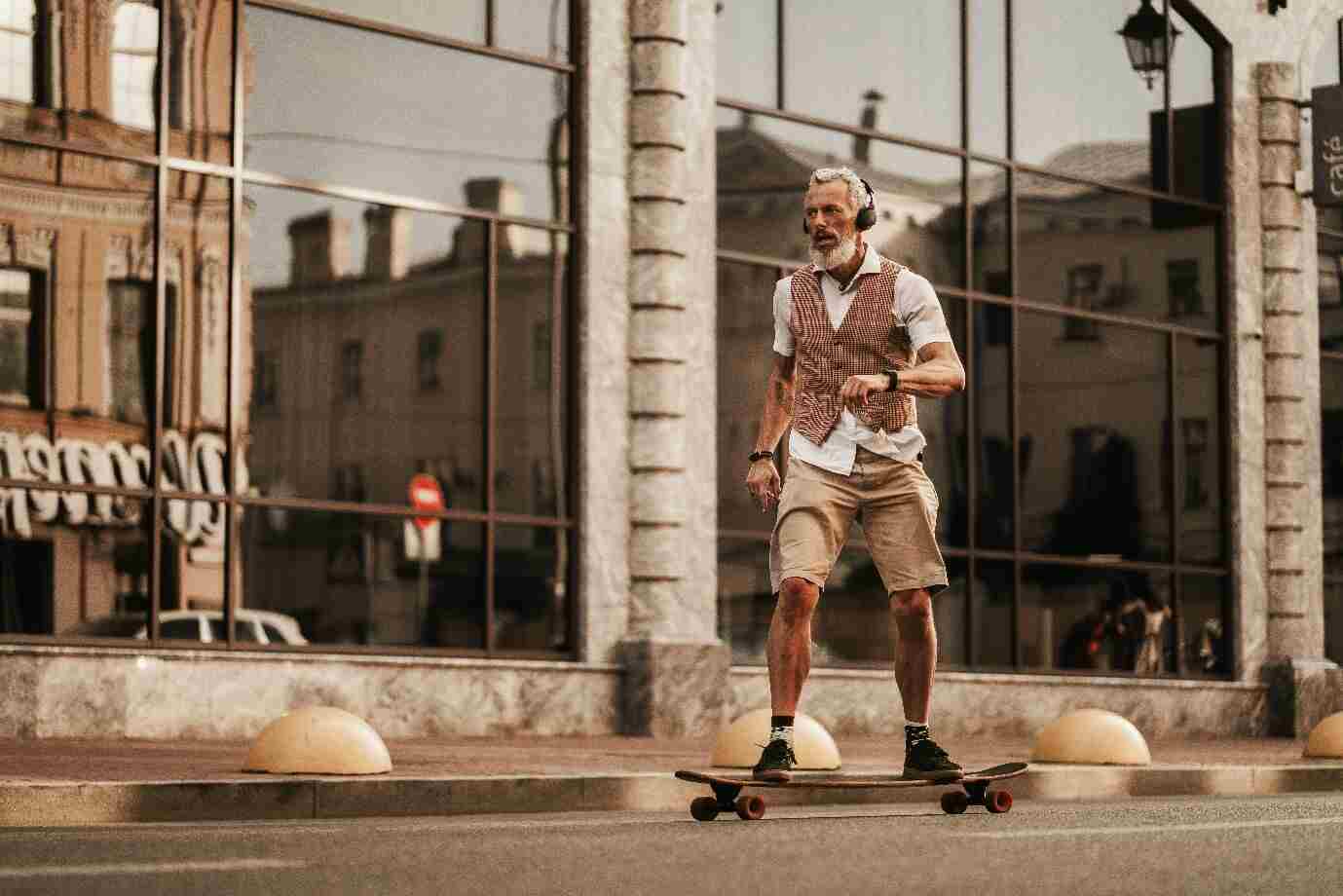
This is not simply about casualisation. It is not just the rise of joggers and hoodies. It is a more thoughtful rethinking of what it means to dress with intention. Men are asking more from their clothes: Can I move in this? Will I still feel good wearing this at the end of a long day? Does this support my lifestyle rather than restrict it?
Why Wellbeing Is Influencing Wardrobe Choices
The broader wellness movement has had an enormous influence on how people think about their daily choices, including what they wear. Men are increasingly aware of how physical comfort affects mood, posture, energy, and confidence.
There is growing understanding that chronic discomfort, whether from ill-fitting trousers or poorly designed footwear, can have real effects on the body over time. Back pain, joint strain, and poor posture are all linked to how we carry ourselves throughout the day, which in turn is influenced by the clothes and shoes we wear.
This awareness is encouraging men to be more deliberate about comfort as part of their overall approach to health. Just as they might consider nutrition or sleep, they are beginning to consider how their clothing supports or undermines their physical wellbeing.
Footwear Is Leading the Comfort Revolution
Of all the areas in men’s fashion where comfort has become a priority, footwear is arguably the most transformative. Shoes have traditionally been where style and discomfort collided most sharply. Hard leather soles, narrow toe boxes, and minimal cushioning were long considered the hallmarks of smart dressing for men.
That is changing fast. The demand for comfortable shoes for men has surged as men seek footwear that works across the full range of their lives, from the office to weekend walks, from social occasions to long days on their feet. The expectation now is that a shoe can look smart and feel supportive at the same time.
Manufacturers have responded with significant innovation. Cushioned insoles, flexible outsoles, ergonomic shaping, and breathable materials are becoming standard features rather than premium upgrades. Men no longer need to choose between a shoe that looks good and one that does not hurt by lunchtime.
The Rise of Smart Casual as a Default
One of the most visible expressions of the comfort trend in men’s fashion is the dominance of smart casual as a mode of dressing. The clear division between formal and informal that once defined men’s wardrobes has blurred considerably.
Men are now reaching for relaxed tailoring, unstructured blazers, quality knitwear, and versatile footwear that can move between different settings with ease. The goal is a wardrobe that does not demand constant switching between entirely different registers.
This is not sloppiness dressed up as style. Smart casual, done well, requires thought and attention. The difference is that the thought goes into fit, quality, and versatility rather than into rigid formality. Clothes that work hard across multiple occasions are genuinely valued.
Dressing Well Without Discomfort
There is a useful parallel here with the way men have begun thinking about putting together a standout outfit for a special occasion. The best approach to occasion dressing now emphasises fit, ease, and authenticity rather than rigid adherence to rules. Comfort and confidence have become inseparable from the idea of looking good.
The same logic applies to everyday dressing. Men who invest in well-made, well-fitting, comfortable clothing consistently look more at ease than those who wear expensive but uncomfortable pieces. Ease of wear translates visibly. When you are not distracted by discomfort, your posture is better, your movement is more natural, and you carry yourself with greater confidence.
The Long-Term Appeal of Buying Better and Dressing With Self-Respect
The comfort trend has encouraged a more considered approach to purchasing. Many men are now opting for fewer, better pieces that deliver genuine value over time. A well-constructed pair of shoes with proper arch support and a comfortable footbed will outlast several cheaper alternatives while protecting the wearer’s feet and joints. Choosing comfort often means choosing durability, which means buying less and wearing more.
This also reflects something deeper about how men relate to themselves. Choosing comfort is increasingly understood as a positive act rather than a lazy one. Men who dress comfortably are not giving up on style. They are simply redefining what it means, asking more interesting questions about what clothing is for and arriving at more satisfying answers.